Проверка
Проверка
Проверка
Проверка
Проверка
Проверка
In the relentless world of industrial automation, where machinery operates under extreme pressures and in unforgiving conditions, the reliability of every component is non-negotiable. Sensor failure is not merely an inconvenience; it can lead to catastrophic downtime, safety hazards, and significant financial loss. This is where precision-engineered components like the KNYT2-M14-PAH-60 High Pressure Proximity Sensor distinguish themselves, offering unparalleled durability and accuracy where it matters most.
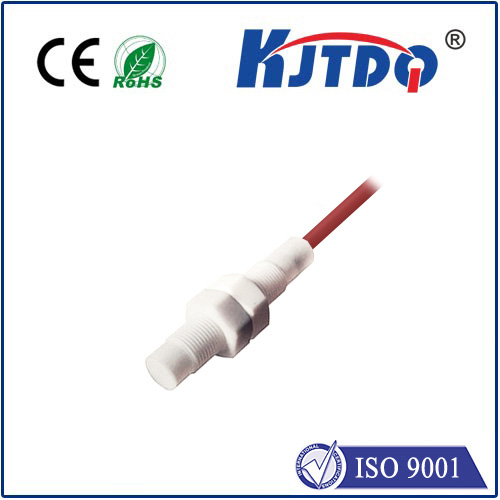
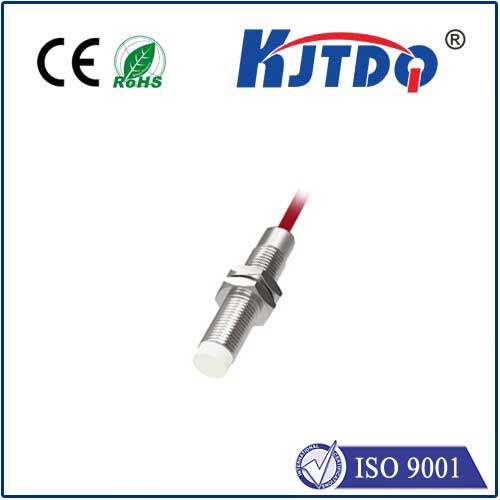
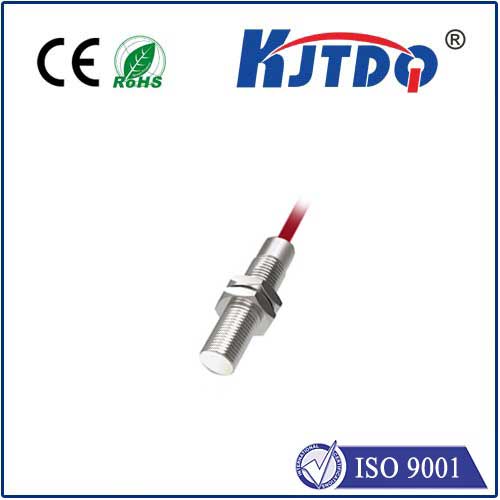
The KNYT2-M14-PAH-60 is specifically designed to thrive in high-pressure environments that would compromise standard sensors. Its robust M14 threaded housing is constructed from high-grade stainless steel, providing exceptional resistance to mechanical stress, vibration, and corrosion. This build quality ensures long-term stability and reliable performance in applications such as hydraulic systems, die-casting machines, plastic injection molding, and heavy-duty press lines. The sensor's ability to maintain its sensing characteristics under sustained physical and environmental pressure is a cornerstone of its design.
At the heart of its operation lies advanced inductive sensing technology. This non-contact method allows the KNYT2-M14-PAH-60 to detect the presence of metallic targets without any physical interaction. This eliminates wear and tear on the sensor itself, dramatically extending its service life compared to mechanical limit switches. The "PAH" designation often indicates a particular focus on pressure-resistant sealing, typically achieving protection ratings like IP67 or higher. This means the sensor is completely protected against dust ingress and can withstand temporary immersion in water, making it suitable for washdown areas or outdoor applications exposed to the elements.
Installation and integration are streamlined for efficiency. The standardized M14 form factor allows for easy mounting into existing machine frameworks. Many models feature a built-in LED status indicator, providing immediate visual confirmation of operation and simplifying setup and troubleshooting. The sensor delivers a consistent, clean switching signal, compatible with standard programmable logic controller (PLC) inputs, ensuring seamless communication within the broader control system. This plug-and-play capability reduces commissioning time and minimizes complexity for maintenance teams.
The real-world benefits of deploying the KNYT2-M14-PAH-60 translate directly to operational excellence. Its extreme reliability minimizes unplanned stoppages, maximizing equipment uptime and overall production throughput. The non-contact sensing principle enhances safety by removing points of potential mechanical failure. Furthermore, the sensor's precision contributes to consistent product quality by ensuring repeatable machine positioning and cycle control. For industries operating around the clock, the durability of this sensor reduces the total cost of ownership by lowering replacement frequency and maintenance labor.
Selecting the right sensor for a high-pressure application requires careful consideration. Key specifications to verify include the sensing distance, which should be appropriate for the target and mounting setup; the pressure rating, ensuring it exceeds the maximum system pressure; the operating temperature range; and the required output type (e.g., PNP or NPN). The KNYT2-M14-PAH-60 is engineered to meet stringent criteria, providing a dependable solution that engineers and plant managers can specify with confidence.
Ultimately, in sectors where pressure is a constant factor—from metalworking and automotive manufacturing to pulp and paper processing—the KNYT2-M14-PAH-60 High Pressure Proximity Sensor stands as a critical guardian of productivity. It represents more than just a component; it is an investment in process stability and plant resilience. By delivering fail-safe detection in the most challenging conditions, it empowers industries to push the boundaries of efficiency and automation without compromising on safety or reliability.