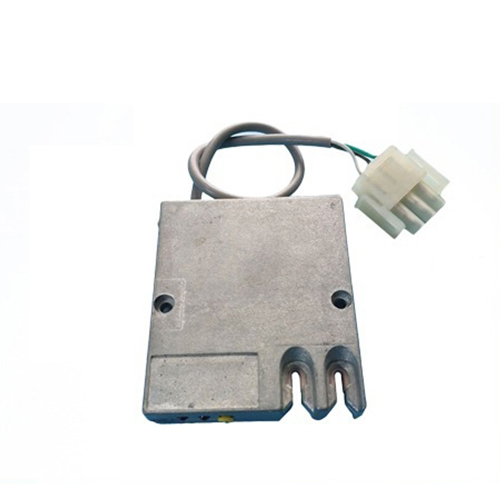
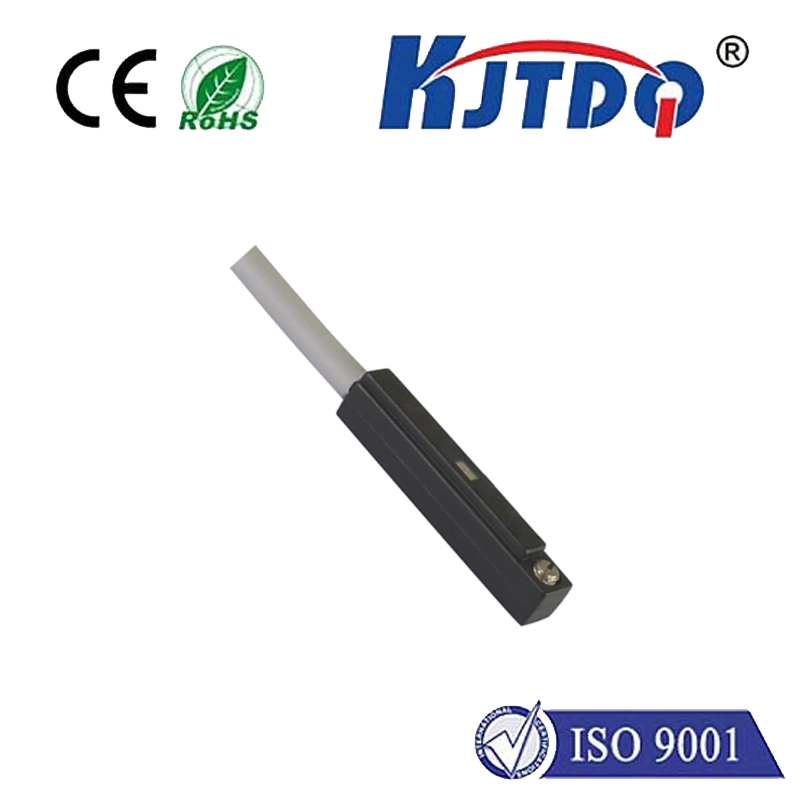
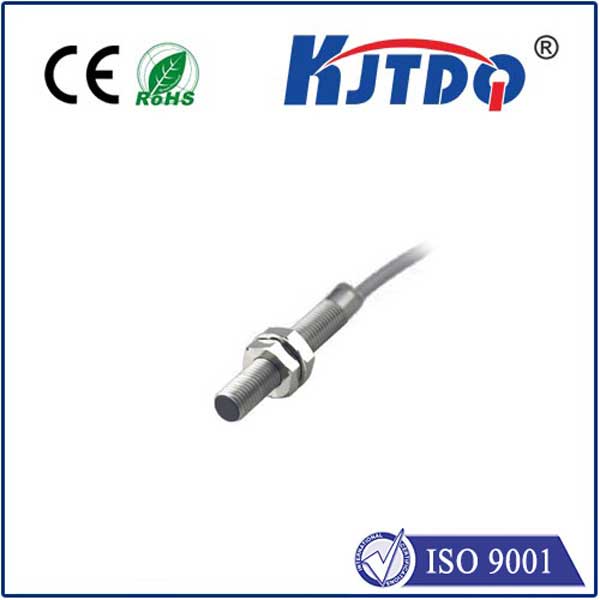
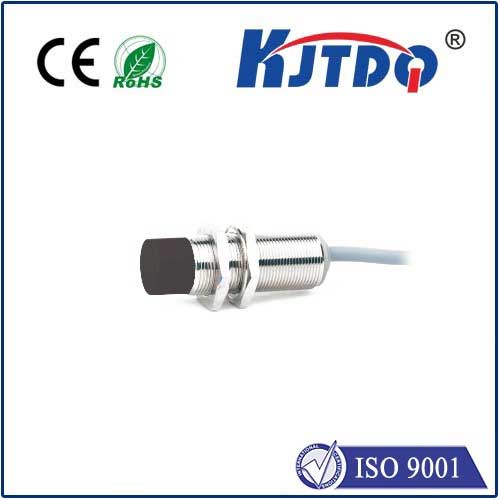
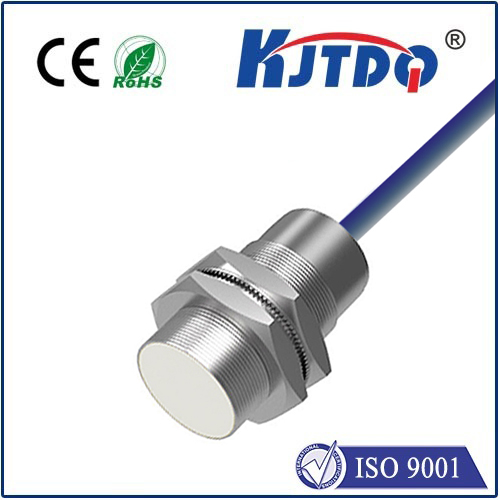
In today's rapidly evolving industrial landscape, the demand for reliable, precise, and durable sensing technology is paramount. Among the leaders in this field, Honeywell proximity sensors stand out as critical components for countless automation applications. These sensors are engineered to detect the presence or absence of an object without physical contact, utilizing various technologies such as inductive, capacitive, and magnetic sensing principles. This non-contact operation is a key advantage, eliminating mechanical wear and tear and ensuring a longer operational lifespan even in harsh environments filled with dust, oil, or moisture.
The core value of a Honeywell proximity sensor lies in its unwavering reliability and accuracy. In manufacturing assembly lines, for instance, these sensors are indispensable for precise object positioning, part counting, and ensuring robotic arms operate within safe parameters. They provide the essential feedback that control systems need to make real-time decisions, thereby preventing jams, misalignments, and potential equipment damage. The robust construction of Honeywell sensors means they can withstand significant vibration, temperature extremes, and electromagnetic interference, making them suitable for heavy industries like automotive, packaging, and material handling.
One of the significant benefits is the simplification of complex processes. By offering a range of sensing distances, output types (like NPN, PNP, or analog), and housing designs, Honeywell provides tailored solutions. Whether it's detecting metallic objects on a conveyor belt with an inductive sensor or monitoring liquid levels through a tank wall with a capacitive sensor, the right model enhances system intelligence. This leads to reduced downtime, lower maintenance costs, and improved overall equipment effectiveness (OEE). The integration of these sensors into a networked Industrial Internet of Things (IIoT) environment further amplifies their value, enabling predictive maintenance and data-driven optimization.
Furthermore, Honeywell's commitment to innovation ensures its proximity sensors meet evolving industry standards and safety regulations. Features like short-circuit protection, reverse polarity protection, and LED status indicators are commonly integrated, simplifying installation and troubleshooting for technicians. This user-centric design philosophy reduces commissioning time and enhances operational safety. For engineers and system integrators, choosing Honeywell translates to selecting a component backed by global technical support and a reputation for quality that minimizes risk in critical applications.
Ultimately, the deployment of Honeywell proximity sensors is a strategic investment in operational resilience. They form the invisible yet crucial sensory layer of modern automation, transforming mechanical processes into intelligent, responsive, and efficient systems. By ensuring consistent and accurate detection, these sensors empower businesses to achieve higher productivity, superior product quality, and a stronger competitive edge in the global market. Their role is foundational, turning basic mechanical motion into actionable data that drives continuous improvement and innovation across the industrial sector.