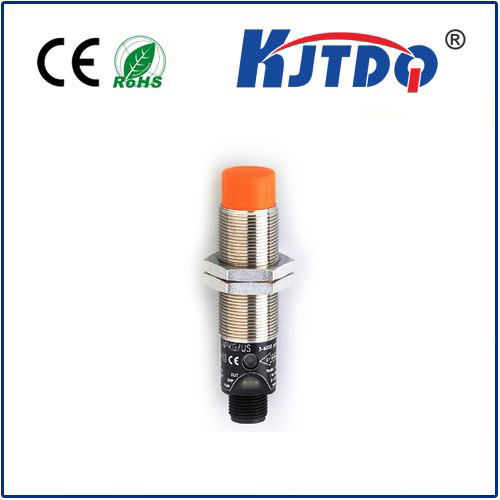
In the realm of modern vertical transportation, the seamless and safe operation of elevators is paramount. At the heart of this reliability lies a critical, yet often overlooked component: the elevator proximity sensor. This sophisticated device acts as the silent guardian of elevator systems, ensuring precise door operation, preventing accidents, and contributing significantly to overall energy efficiency and passenger comfort. Unlike traditional mechanical switches, proximity sensors operate without physical contact, using electromagnetic fields or infrared beams to detect the presence or absence of an object—be it a passenger, a piece of luggage, or the elevator car itself.
The primary function of an elevator proximity sensor is to facilitate the safe opening and closing of elevator doors. Positioned strategically around the door frame, these sensors create an invisible detection zone. When this zone is interrupted by an obstacle during the closing cycle, the sensor sends an immediate signal to the control system to reopen the doors, preventing entrapment or injury. This non-contact method is far more reliable and durable than older mechanical safety edges, which can wear out or fail over time. The result is a drastic reduction in door-related incidents and a marked improvement in passenger safety, a non-negotiable priority for building managers and owners.
Beyond basic safety, these sensors are integral to the elevator's landing and leveling accuracy. High-precision proximity sensors help the elevator car align perfectly with each floor, eliminating tripping hazards caused by misaligned landings. This precision is crucial in high-traffic buildings like hospitals, corporate towers, and residential complexes, where smooth and level stops enhance accessibility and user experience. Furthermore, by ensuring doors only remain open when necessary, these sensors contribute to energy conservation. They minimize the loss of conditioned air from the building's lobby or hallways into the elevator shaft, supporting greener building operations and reducing HVAC costs.
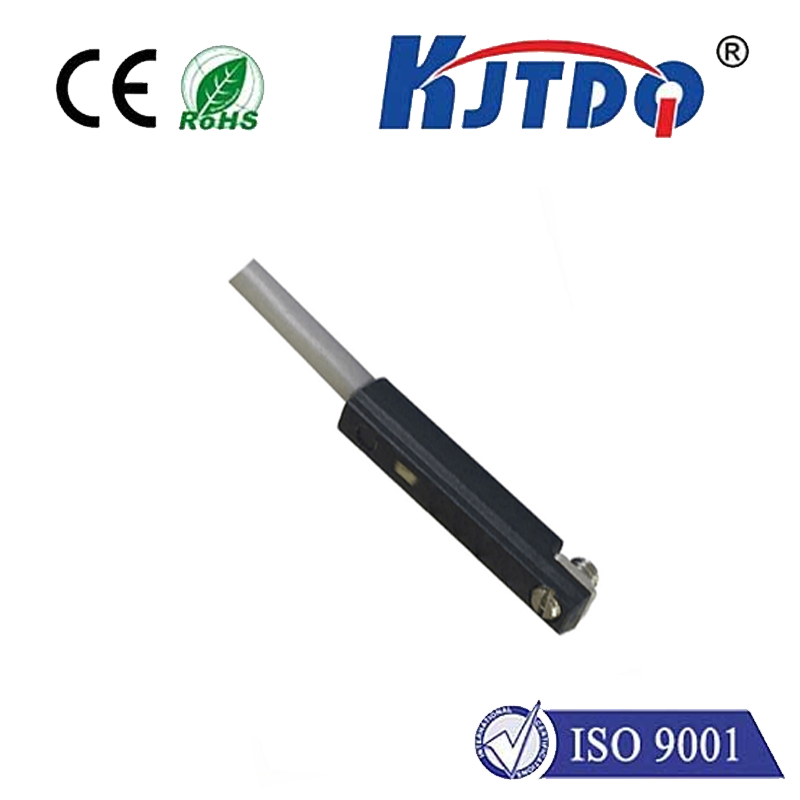
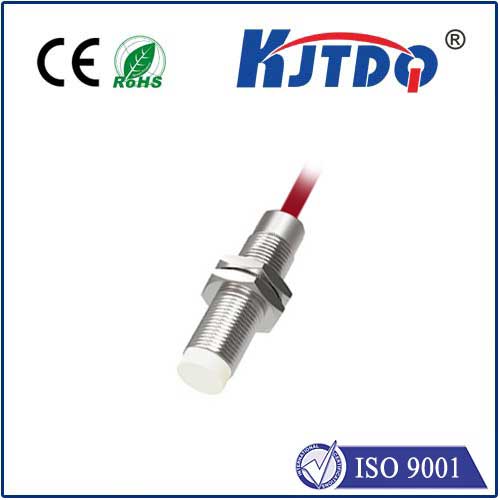
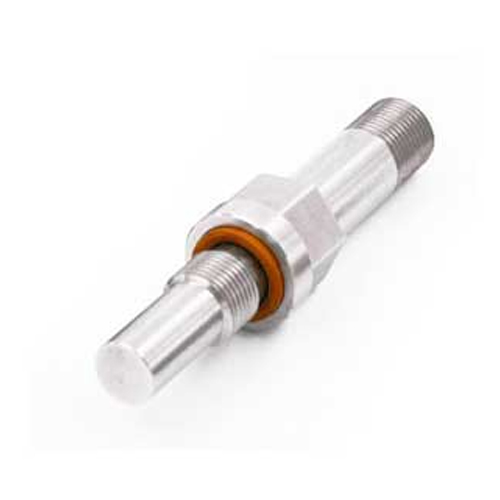
The technology behind elevator proximity sensors has evolved considerably. Modern variants, such as inductive, capacitive, and photoelectric sensors, offer solutions for different environmental challenges. For instance, robust sensors resistant to dust, moisture, and electromagnetic interference are essential for elevator pits and machine rooms. The integration of these sensors with the elevator's main controller and building management systems allows for predictive maintenance. By monitoring sensor performance data, technicians can identify potential issues before they lead to downtime, transforming maintenance from a reactive to a proactive model, which saves time and resources.
For building developers, facility managers, and elevator manufacturers, investing in high-quality elevator proximity sensors is an investment in long-term operational integrity. It translates to fewer service interruptions, enhanced passenger trust, and compliance with stringent international safety standards. As smart building technology advances, the role of these sensors will only expand, potentially integrating with IoT networks for even smarter traffic management and personalized user experiences. In conclusion, the humble elevator proximity sensor is a foundational pillar of modern elevator technology. Its continuous innovation directly fuels the evolution towards safer, more efficient, and more intelligent vertical transportation systems that define our urban landscapes.