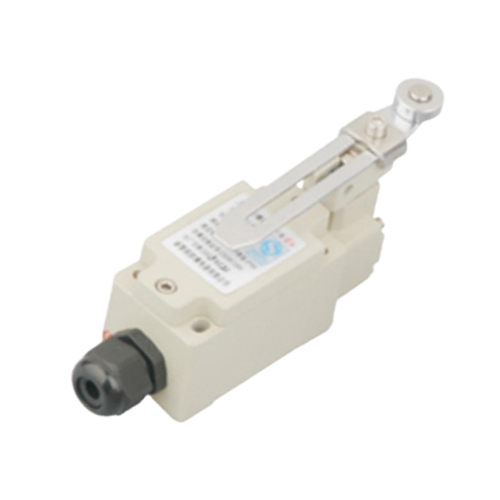
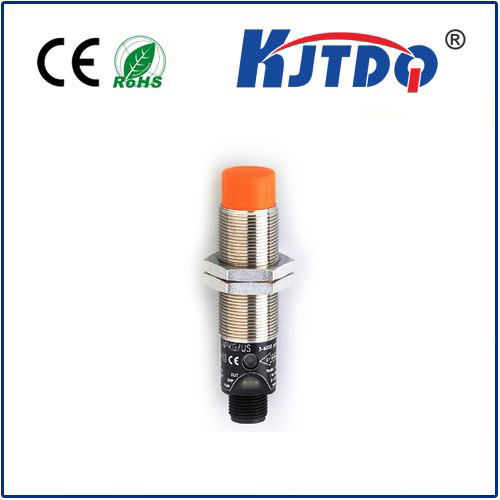
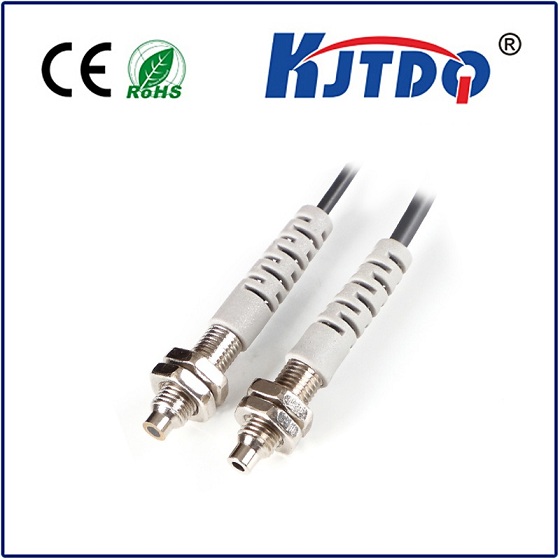
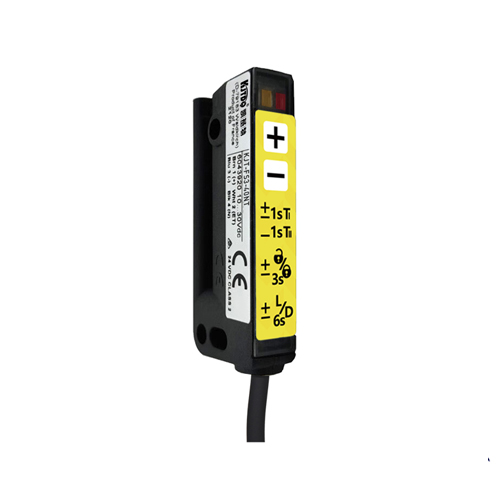
In the rapidly evolving landscape of industrial automation and smart device integration, the role of proximity sensor wireless technology has become fundamentally transformative. These sophisticated devices, which detect the presence or absence of nearby objects without any physical contact, are now unshackled by wires, offering unprecedented flexibility and efficiency. The integration of wireless communication protocols, such as Bluetooth Low Energy (BLE), Zigbee, or LoRaWAN, with traditional inductive, capacitive, or photoelectric sensing principles, marks a significant leap forward. This synergy is powering the next generation of the Internet of Things (IoT), enabling seamless data flow and intelligent decision-making in environments where wiring is impractical, costly, or hazardous.
The core advantage of a wireless proximity sensor lies in its simplified installation and scalability. Traditional wired systems require extensive conduit, cabling, and labor-intensive setup, often leading to significant downtime during installation or reconfiguration. In contrast, a wireless sensor network can be deployed rapidly, with sensors placed optimally for coverage without being constrained by cable length or routing challenges. This is particularly valuable in dynamic settings like modular manufacturing lines, large-scale agricultural operations, or historical building retrofits. Maintenance becomes more straightforward as well, with diagnostic data and battery status often transmitted wirelessly, allowing for predictive upkeep rather than reactive repairs.
For industrial safety applications, wireless proximity sensors offer robust solutions. They can create invisible safety curtains around dangerous machinery, instantly signaling a halt in operations if a worker or object breaches a predefined zone. The wireless nature allows these safety perimeters to be easily adjusted as floor layouts change, enhancing both protection and operational agility. In logistics and warehousing, these sensors enable precise inventory tracking and automated guided vehicle (AGV) navigation, preventing collisions and optimizing storage space without the clutter and limitation of wired systems.
In the consumer and smart home sphere, proximity sensor wireless modules are the silent enablers of convenience and energy savings. They allow for touchless control of faucets, soap dispensers, and lighting, promoting hygiene and efficiency. Smart displays and laptops use them to detect user presence, waking up the device when approached and putting it to sleep to conserve power when the user leaves. The absence of wires makes these integrations sleek, unobtrusive, and easier to install in finished products or renovated spaces.
However, the adoption of wireless technology introduces considerations that must be meticulously addressed. Power management is paramount; sensors must operate for years on small batteries, necessitating ultra-low-power circuit design and efficient communication protocols. Network reliability and security are also critical. Robust encryption and mesh networking topologies help ensure data integrity and protect against interference or unauthorized access in industrial control systems. Range and penetration through materials like metal or concrete can be limiting factors, requiring careful selection of the wireless standard and antenna design for the specific application environment.
Looking ahead, the convergence of proximity sensing with advanced wireless connectivity and edge computing is set to unlock even greater potential. Sensors will not only detect presence but also analyze context—differentiating between object types or assessing environmental conditions—and make localized decisions. This evolution, often termed as "smart sensing," will further reduce latency and network load, making systems more responsive and autonomous. The proliferation of 5G private networks and ultra-wideband (UWB) technology promises to enhance precision and reliability for high-stakes applications like autonomous mobile robots in factories.
Ultimately, the shift from wired to wireless proximity sensing is not merely a change in connectivity; it is a fundamental enabler of smarter, more adaptable, and more resilient systems. By eliminating physical constraints, it allows engineers and designers to rethink spatial interactions, leading to innovations in automation, safety, and user experience that were previously difficult or impossible to achieve. As the technology matures, addressing challenges in power, security, and robustness, wireless proximity sensors will undoubtedly become a ubiquitous and indispensable component in our increasingly interconnected world, silently and reliably bridging the physical and digital realms.