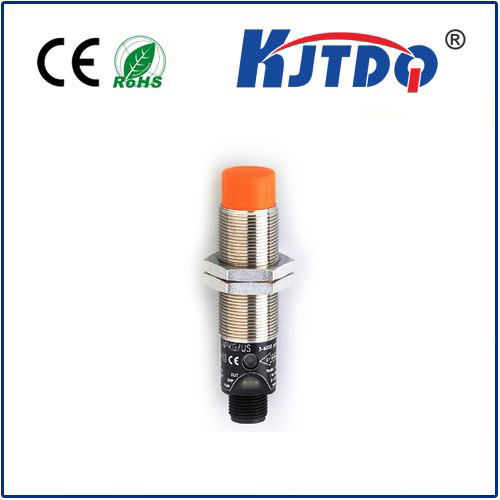
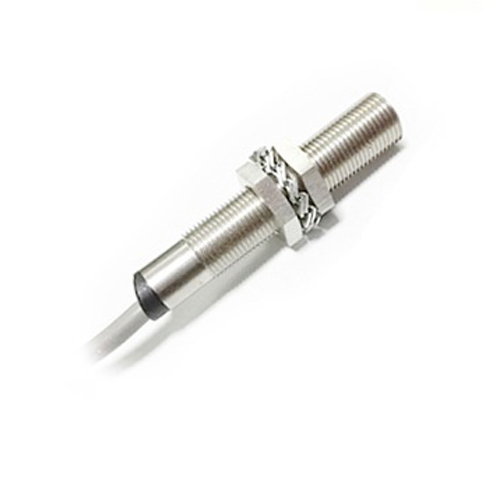
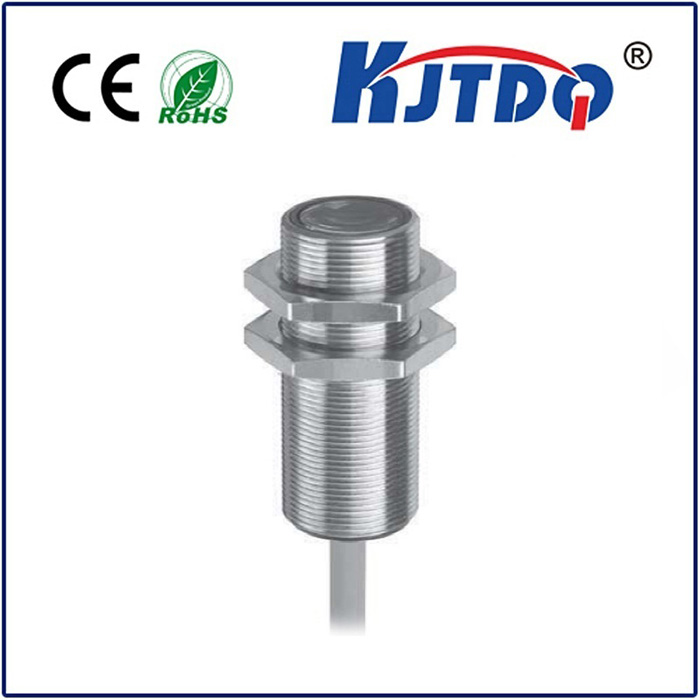
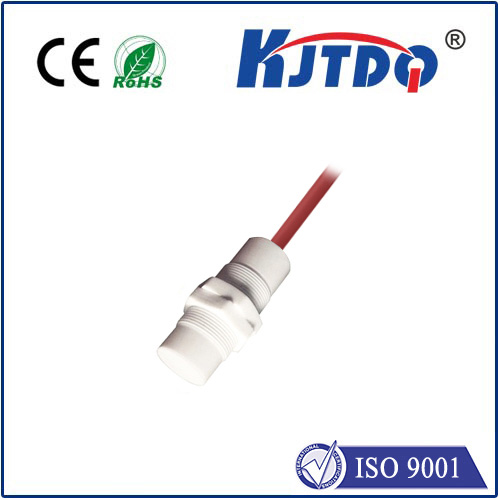
In industrial automation and precision engineering, the ring proximity sensor inductive represents a cornerstone of non-contact detection systems. Unlike traditional mechanical switches or optical sensors, these devices operate on electromagnetic principles to identify metallic objects without physical interaction. A ring inductive proximity sensor typically features a toroidal core with a coil wound around it, generating an oscillating electromagnetic field. When a conductive target enters this field, eddy currents form within the object, causing a change in the sensor's oscillation amplitude. This shift triggers an output signal, enabling precise detection of metal components' presence, position, or motion.
The fundamental advantage of inductive ring sensors lies in their robustness. Sealed within durable housings often made of stainless steel or nickel-plated brass, they withstand harsh environments—resisting dust, moisture, vibrations, and extreme temperatures. This makes them ideal for manufacturing lines, automotive assembly, and machinery where reliability is critical. For instance, in conveyor systems, a ring proximity sensor can monitor the passage of metal parts, ensuring correct positioning or counting items with high accuracy. Their non-contact nature eliminates wear and tear, significantly extending service life compared to mechanical limit switches.
When selecting a ring inductive proximity sensor, key parameters include sensing distance, target material, and frequency response. Sensing distance, typically ranging from millimeters to several centimeters, depends on the sensor's diameter and the target's conductivity—ferrous metals like iron yield longer ranges than non-ferrous ones like aluminum. Additionally, response frequency dictates how quickly the sensor can detect objects moving at high speeds, crucial for fast-paced production environments. Modern variants incorporate embedded microprocessors for self-diagnosis, temperature compensation, and adjustable sensitivity, reducing setup complexity and maintenance needs.
Integration into control systems is streamlined through standardized outputs, such as PNP/NPN transistors or analog signals, compatible with PLCs (Programmable Logic Controllers) and industrial networks. Engineers often deploy these sensors in threaded or bracket-mounted configurations, allowing flexible installation around shafts, cylinders, or pipelines. In safety applications, ring sensors serve as part of interlock systems, halting machinery if a protective cover is removed or a component misaligns. Their immunity to ambient light, oil, and debris further enhances operational stability, unlike optical alternatives prone to false triggers.
Despite their specialization for metals, inductive ring sensors are not suitable for non-conductive materials like plastic or wood. However, advancements in hybrid designs now combine inductive and capacitive elements to broaden detection capabilities. As Industry 4.0 evolves, smart sensors with IO-Link communication enable real-time data exchange, predictive maintenance alerts, and remote configuration, elevating efficiency in automated workflows. From packaging machines to robotic arms, the ring proximity sensor inductive remains a silent guardian of precision, ensuring seamless operations where milliseconds and microns matter.
In summary, the technology embodies a synergy of physics and engineering—transforming electromagnetic interactions into actionable insights. By offering consistent performance under duress, these sensors reduce downtime, improve quality control, and support the agile demands of modern industry. Whether monitoring rotational speed, verifying part assembly, or safeguarding equipment, their role is indispensable in building smarter, more resilient production ecosystems.