In the dynamic landscape of industrial automation, the quest for efficiency, safety, and precision is unending. At the heart of countless automated systems, from intricate assembly lines to robust material handling equipment, lies a critical component: the proximity sensor. When discussing high-performance industrial sensing solutions, Festo emerges as a prominent name, synonymous with innovation and quality. This article delves into the world of Festo proximity sensors, exploring their pivotal role in modern manufacturing and process control.
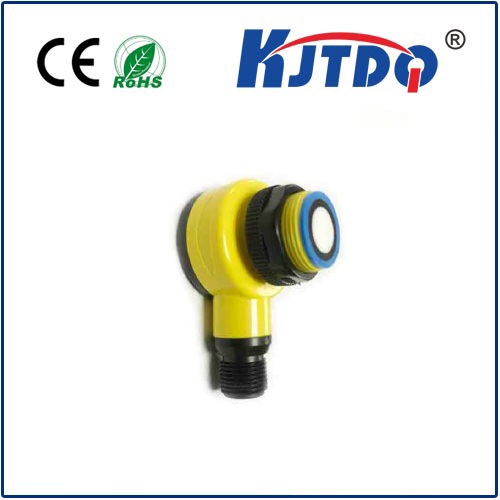
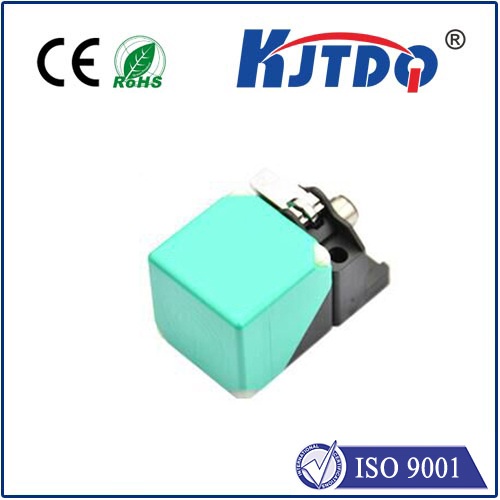
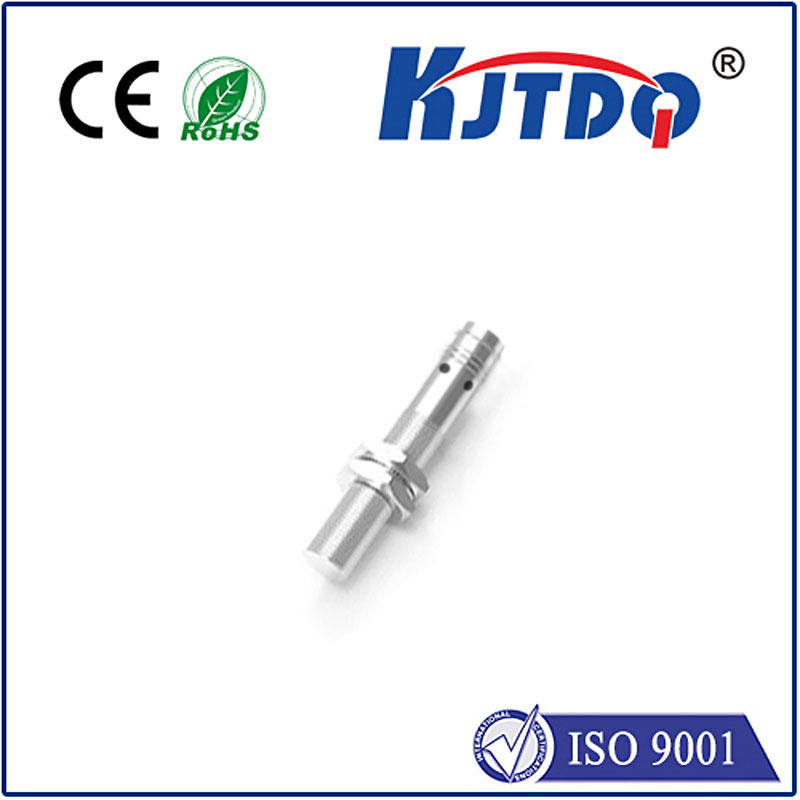
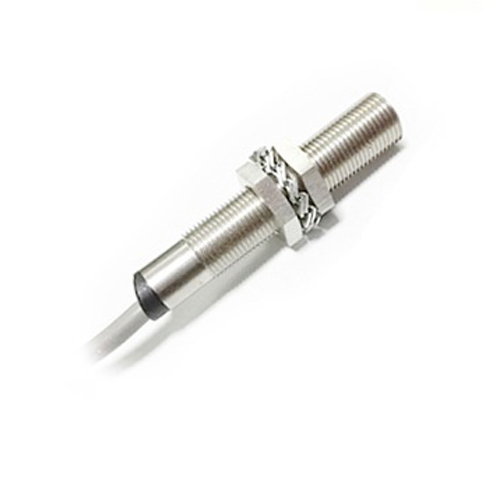
Festo proximity sensors are non-contact detection devices designed to identify the presence or absence of an object within a specific range without physical touch. This fundamental capability is crucial for tasks like position verification, counting, and end-position detection. By utilizing various technologies such as inductive, capacitive, and magnetic sensing principles, these sensors cater to a wide array of applications. Inductive sensors, for instance, are ideal for detecting metallic objects, making them perfect for metal part positioning in machining centers. Capacitive sensors, on the other hand, can detect both metallic and non-metallic materials, including liquids and plastics, which is invaluable in packaging or filling operations.
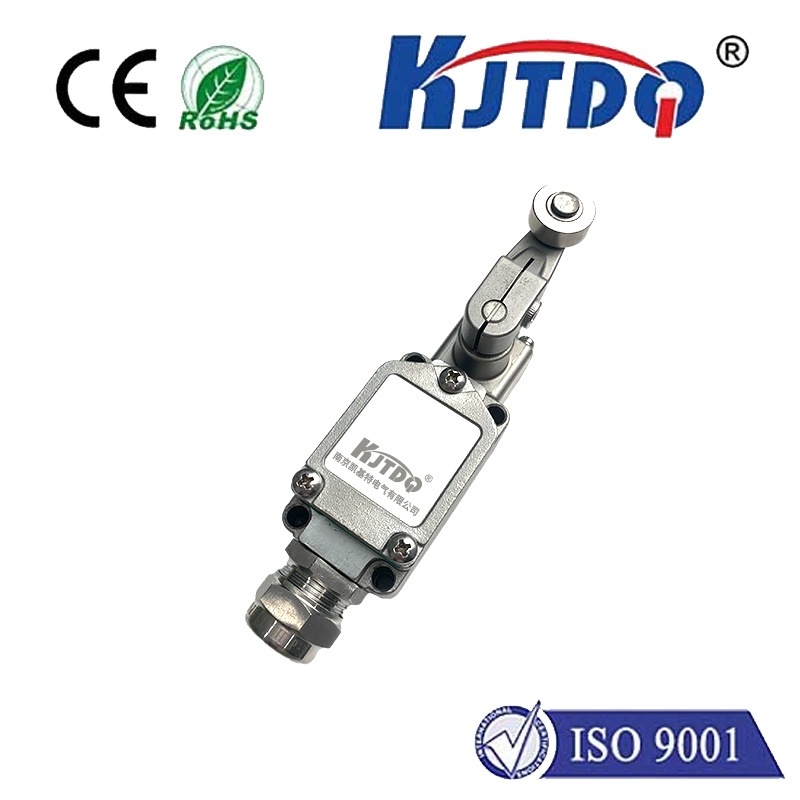
The integration of Festo proximity sensors into automation systems brings forth numerous operational advantages. Primarily, they significantly enhance system reliability. Their non-contact nature eliminates mechanical wear and tear associated with limit switches, leading to longer service life and reduced maintenance downtime. This durability is essential in harsh industrial environments where exposure to dust, moisture, and temperature variations is common. Festo designs its sensors with robust housings and high ingress protection ratings, ensuring consistent performance under challenging conditions.
Furthermore, precision is a hallmark of Festo's sensing technology. High switching frequency and repeat accuracy allow for exact positioning and fast cycle times in high-speed automation. This precision directly translates to improved product quality and throughput. For example, in a pick-and-place application, a Festo inductive sensor can accurately detect the presence of a component on a conveyor, triggering a robotic arm to grip it at the exact moment, thereby optimizing the production rhythm.
Another key benefit is the simplification of system design and installation. Many Festo proximity sensors feature compact designs, enabling easy integration into space-constrained machinery. Features like built-in LED status indicators facilitate quick commissioning and troubleshooting. The compatibility with various bus systems and Festo's own valve terminals and controllers streamlines the entire control architecture, reducing wiring complexity and fostering a more modular, flexible automation setup.
Safety is an indispensable aspect of industrial operations. Proximity sensors contribute to creating safer work environments by enabling protective interlocking and monitoring of machine guards. They can ensure that a safety door is securely closed before a machine cycle begins, preventing accidental access to hazardous moving parts. Festo provides sensors that meet stringent international safety standards, offering peace of mind for system integrators and end-users alike.
Looking towards the future, the role of smart sensors is expanding with Industry 4.0. Festo is at the forefront of this evolution, offering sensors with integrated IO-Link communication. This technology transforms a simple proximity switch into an intelligent device capable of providing detailed diagnostic data, such as operating hours, temperature readings, and signal strength. This data can be used for predictive maintenance, allowing potential issues to be addressed before they cause unplanned stoppages, thereby maximizing overall equipment effectiveness (OEE).
In conclusion, Festo proximity sensors represent more than just a component; they are a foundational element for building resilient, efficient, and intelligent automated systems. Their ability to provide reliable, non-contact detection across diverse materials and environments makes them an indispensable tool for engineers and designers. By choosing a sensing solution from a leader like Festo, industries invest in the precision and reliability necessary to stay competitive in today's fast-paced manufacturing world, ensuring seamless operations and driving continuous improvement in automation processes.