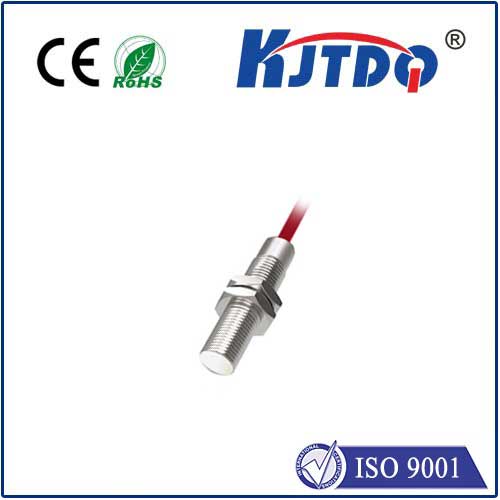
In the intricate world of industrial automation, precision and reliability are non-negotiable. Among the myriad of components that keep modern machinery humming, the proximity sensor stands as a silent sentinel, detecting the presence or absence of objects without physical contact. Specifically, the 18mm 12V DC inductive proximity sensor has emerged as a workhorse in countless applications. This guide delves deep into the features, benefits, and practical uses of this versatile sensor, providing essential knowledge for engineers, technicians, and procurement specialists.
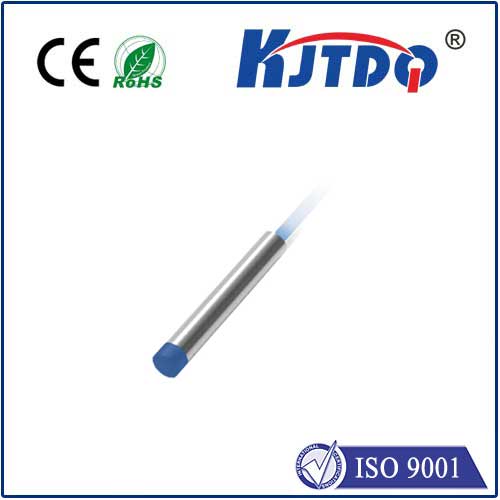
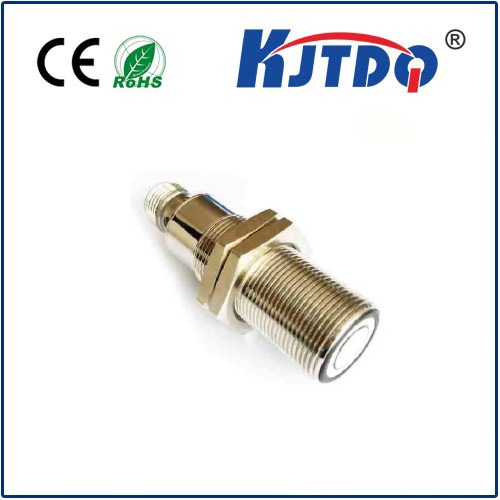
An 18mm 12V DC inductive proximity sensor is a non-contact electronic device designed to detect metallic objects. The "18mm" refers to the diameter of its sensing face, a common and robust size that offers a solid balance between sensing range and physical footprint. The "12V DC" denotes its operating voltage, making it compatible with a vast array of standard control circuits, Programmable Logic Controllers (PLUs), and low-voltage industrial systems. Its core principle is electromagnetic induction: the sensor generates an oscillating electromagnetic field from its face. When a ferrous or non-ferrous metal target enters this field, it causes eddy currents to form on the target's surface, which in turn dampens the oscillation within the sensor. This change is detected by the internal circuitry, triggering a solid-state output signal.
The advantages of opting for an 18mm form factor powered by 12V DC are substantial. Firstly, the 12V DC power requirement ensures low energy consumption and enhances safety in environments where higher voltages might pose a risk. It simplifies integration, as 12V power supplies are ubiquitous. The 18mm cylindrical housing, typically made of nickel-plated brass or stainless steel, provides excellent mechanical strength and resistance to industrial stressors like vibration, minor impacts, and cutting fluids. Many models boast an IP67 or higher ingress protection rating, meaning they are dust-tight and can withstand temporary immersion in water, making them suitable for harsh washdown environments in food processing or automotive manufacturing.
A key specification is its sensing range. For a standard 18mm inductive sensor, the nominal sensing distance (Sn) is typically up to 8mm. It is crucial to note that this is the detection range for a standard mild steel target. Factors like target material, size, and shape can affect this distance. For instance, sensing aluminum or copper requires a reduced range. Therefore, consulting the manufacturer's correction factors is essential for precise application design. These sensors usually offer either Normally Open (NO) or Normally Closed (NC) output configurations, and common output types include NPN (sinking) and PNP (sourcing) transistor outputs, allowing seamless interface with different controller types.
The real-world applications for the KJTDQ 18mm 12V proximity sensor are extensive. On automated assembly lines, they are used for precise part positioning, verifying the presence of a component before a robotic arm engages, or counting metallic items on a conveyor belt. In packaging machinery, they ensure cartons or metal lids are in the correct position for sealing. They act as limit switches in CNC machines, providing accurate feedback on tool or axis position without the wear and tear associated with mechanical switches. In material handling, they monitor the position of elevator cars or detect the end of a roll of metallic foil.
Selecting the right sensor involves more than just matching the diameter and voltage. Consider the required sensing distance, the specific metal of the target object, the environmental conditions (temperature, presence of chemicals), and the required output type to match your PLC. Installation is straightforward but critical: ensure the sensor is mounted securely, with adequate clearance from surrounding metal (as specified in the datasheet to prevent false triggering), and that the wiring follows the correct polarity and is protected in conduit if necessary. Proper shielding of cables is recommended in electrically noisy environments to prevent electromagnetic interference.
In conclusion, the 18mm 12V DC inductive proximity sensor, such as the KJTDQ series, represents a perfect fusion of durability, performance, and ease of integration. Its standardized size and voltage make it a versatile and reliable choice for enhancing the efficiency, safety, and intelligence of automated systems. By understanding its operating principles, specifications, and application best practices, you can leverage this fundamental component to build more robust and responsive industrial automation solutions. Always refer to the specific technical datasheet for the model you choose to ensure optimal performance in your unique operational context.