In the rapidly evolving landscape of industrial automation and smart technology, the demand for accurate, reliable, and durable sensing solutions has never been higher. Among the critical components driving this progress is the proximity sensor, a device designed to detect the presence or absence of objects without physical contact. Specifically, the Proximity Sensor KFPS series has emerged as a standout solution, offering exceptional performance in diverse applications ranging from manufacturing assembly lines to consumer electronics. This article delves into the technical capabilities, operational advantages, and real-world implementations of the KFPS sensor, highlighting why it is becoming a preferred choice for engineers and system integrators worldwide.
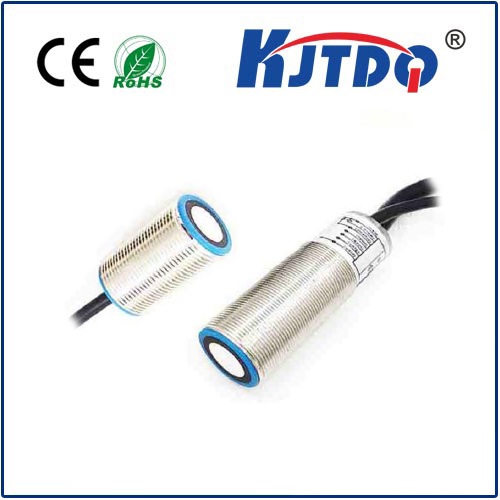
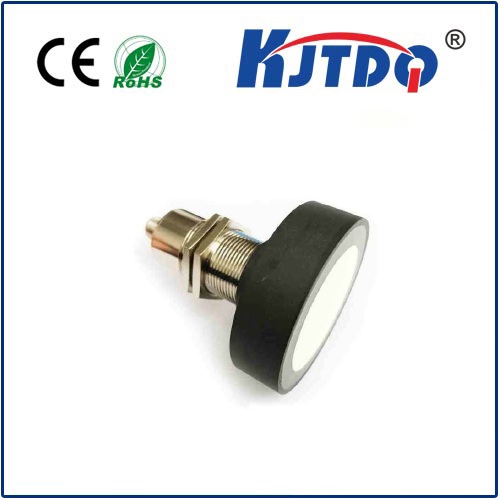
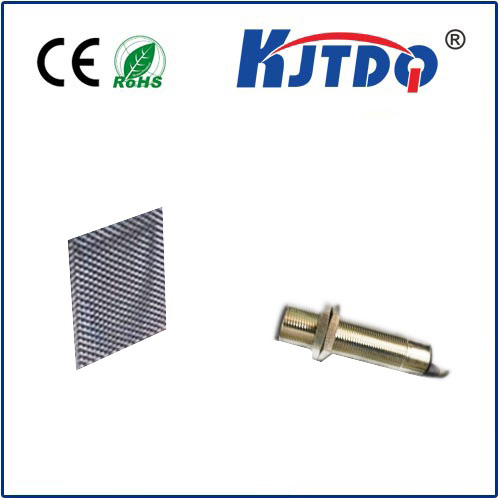
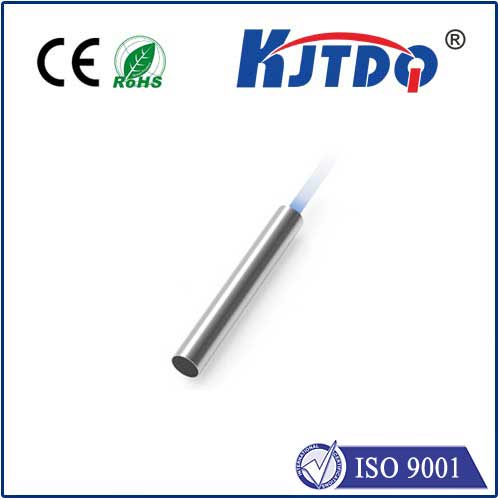
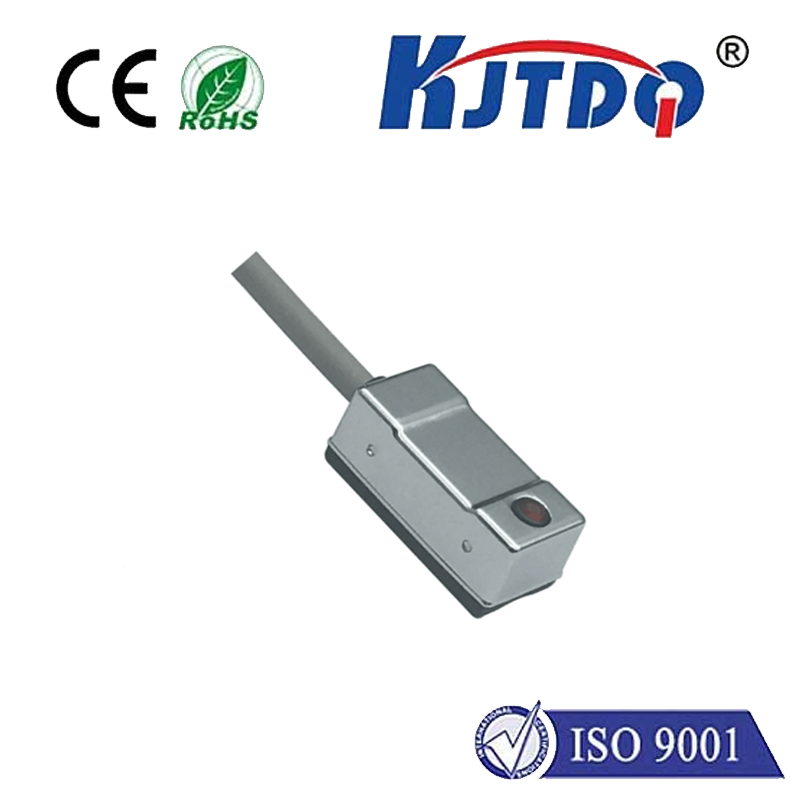
The Proximity Sensor KFPS operates on the principle of electromagnetic field detection. Utilizing high-frequency oscillation, it can sense metallic objects within a defined range, triggering an output signal when an object enters its detection zone. This non-contact method eliminates mechanical wear and tear, significantly extending the sensor's lifespan compared to traditional limit switches. The KFPS model is particularly noted for its robust construction, typically featuring a stainless-steel housing that provides resistance to harsh environmental conditions such as dust, moisture, and chemical exposure. This durability ensures consistent operation in challenging settings like automotive plants, food processing facilities, and outdoor machinery.
One of the key strengths of the KFPS proximity sensor lies in its precision. With adjustable sensing distances and minimal hysteresis, it delivers repeatable accuracy, which is crucial for quality control in automated processes. For instance, in packaging lines, the sensor can precisely detect the position of items on a conveyor belt, ensuring proper alignment and reducing material waste. Additionally, its fast response time enables high-speed applications, such as counting parts in electronics manufacturing or monitoring robotic arm movements, where milliseconds matter for efficiency and safety.
Energy efficiency is another notable benefit. The KFPS sensor consumes low power while maintaining high sensitivity, contributing to reduced operational costs and supporting sustainable practices in industrial setups. Its compatibility with various voltage ranges and output types (e.g., NPN or PNP) allows for seamless integration into existing control systems, whether programmable logic controllers (PLCs) or microcontroller-based setups. This flexibility simplifies installation and reduces downtime during upgrades or maintenance.
In practical scenarios, the Proximity Sensor KFPS has proven invaluable. In automotive manufacturing, it is used to verify the presence of components like bolts or panels, enhancing assembly accuracy and preventing defects. In consumer devices, such as smartphones and home appliances, it enables touchless features like screen dimming during calls or automatic door activation, improving user experience and safety. Moreover, in agricultural machinery, the sensor helps monitor equipment positions, optimizing operations and preventing damage.
Despite its advanced features, the KFPS sensor is designed for user-friendly operation. Many models include LED indicators for status monitoring and diagnostic functions, aiding in quick troubleshooting. Regular calibration is minimal, thanks to stable performance over temperature fluctuations and long-term use. However, proper installation is essential—ensuring adequate clearance from metal surfaces and avoiding interference from other electromagnetic sources can maximize reliability.
Looking ahead, as industries embrace the Internet of Things (IoT) and Industry 4.0, sensors like the KFPS are poised to play a pivotal role. By providing real-time data on machine conditions and object detection, they contribute to predictive maintenance and smart automation, driving productivity gains. Innovations in materials and miniaturization may further enhance the KFPS series, making it even more adaptable to compact and complex environments.
In summary, the Proximity Sensor KFPS represents a blend of durability, accuracy, and versatility that meets the rigorous demands of modern technology. Its ability to operate without contact in tough conditions, coupled with energy-saving attributes, makes it a cost-effective solution for diverse sectors. As automation continues to expand, investing in reliable sensing technology like the KFPS can lead to improved efficiency, reduced waste, and enhanced safety, ultimately supporting progress in an interconnected world. For businesses seeking to optimize their operations, understanding and leveraging such sensors is a step toward future-ready infrastructure.