In the world of industrial automation and smart device design, achieving reliable, non-contact detection is a cornerstone of efficiency and safety. Among the various sensing technologies available, the capacitive barrel-style proximity sensor stands out for its unique combination of robustness, versatility, and precision. This guide delves into the workings, applications, and key advantages of this essential component, providing a clear understanding of why it is a preferred choice for engineers across numerous sectors.
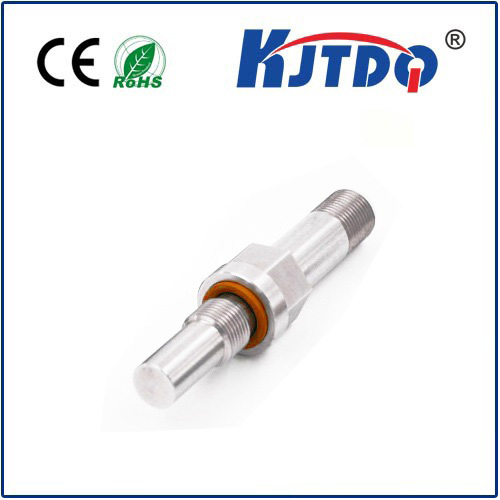
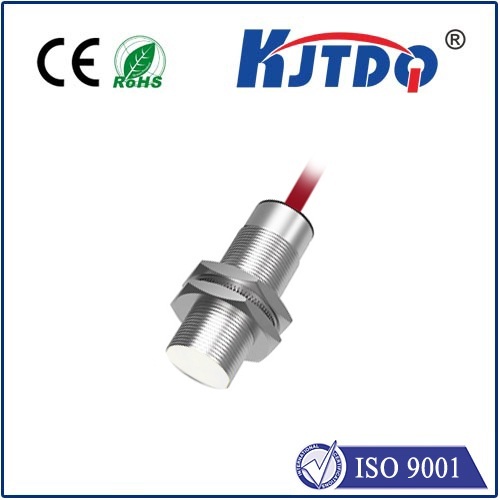
Unlike traditional mechanical switches or other proximity sensor types, a capacitive barrel-style sensor operates by detecting changes in capacitance. The sensor, typically housed in a cylindrical or "barrel" shaped metal body, generates an electrostatic field from its sensing face. When any object—be it metal, liquid, plastic, wood, or even a human hand—enters this field, it alters the dielectric properties and thus the capacitance of the system. The sensor's internal circuitry is finely tuned to monitor this minute change. Once the change exceeds a preset threshold, the sensor triggers an output signal, indicating the presence or absence of the target without any physical contact.
The physical design is a significant part of its appeal. The barrel-style housing, often made of stainless steel or nickel-plated brass, offers exceptional durability. It provides excellent resistance to vibration, shock, and harsh environmental conditions like dust, moisture, and oil splashes. This rugged construction makes it ideal for demanding factory floor applications. Furthermore, its cylindrical shape allows for easy installation in drilled holes, facilitating a flush or non-flush mounting configuration depending on the specific sensing range and application needs.
The applications for capacitive barrel-style proximity sensors are remarkably diverse. In manufacturing, they are indispensable for liquid level control in tanks, detecting the presence of bottles or packages on conveyor belts regardless of material, and monitoring fill levels of powders or granules. In the packaging industry, they reliably sense non-metallic materials like cardboard, plastic films, and glass. Beyond industrial settings, these sensors find use in consumer appliances for touch-sensitive controls, in automotive assemblies for position detection, and in vending machines for product dispensing verification. Their ability to "see through" certain non-metallic containers to detect contents inside adds another layer of utility.
Choosing a capacitive barrel-style sensor offers several compelling advantages. First and foremost is its material-agnostic detection capability. This universality eliminates the need for different sensor types for different materials, simplifying inventory and design. Second, they provide highly stable and repeatable sensing, largely unaffected by surface color or ambient light conditions—a common challenge for optical sensors. Third, their non-contact nature ensures zero wear and tear on both the sensor and the target object, leading to dramatically extended service life and reduced maintenance costs. Finally, many modern models feature adjustable sensitivity, allowing technicians to fine-tune the sensing range and ignore interfering background objects, ensuring precise and reliable operation in complex environments.
When integrating these sensors, a few best practices ensure optimal performance. Proper mounting is crucial; the sensing field can be influenced by surrounding metal. Following the manufacturer's guidelines for minimum clearance from adjacent metal surfaces prevents false triggering. For level detection applications, selecting a sensor with an appropriate sensing range and housing material compatible with the medium (e.g., food-grade coatings) is essential. Regular testing in the actual operating environment during commissioning helps calibrate the sensitivity accurately.
In conclusion, the capacitive barrel-style proximity sensor is a powerhouse of modern sensing technology. Its robust physical design, coupled with the sophisticated principle of capacitive detection, delivers a reliable, maintenance-free solution for a vast array of presence and level sensing challenges. From streamlining complex industrial processes to enabling intuitive user interfaces in everyday products, this sensor continues to be a critical enabler of automation, safety, and innovation. For any project requiring dependable non-contact detection of solids or liquids, it remains an engineering solution worthy of serious consideration.