In the dynamic landscape of industrial automation, precision, reliability, and durability are non-negotiable. Among the myriad of components that drive modern manufacturing and processing lines, the M18 proximity sensor stands out as a fundamental pillar. This cylindrical sensing device, measuring 18 millimeters in diameter, has become ubiquitous across factories worldwide, silently ensuring seamless operations. But what exactly makes this particular form factor so critical, and how does it translate into tangible benefits for your operations?
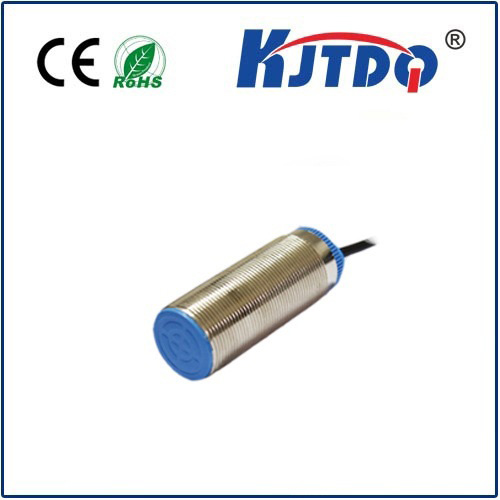
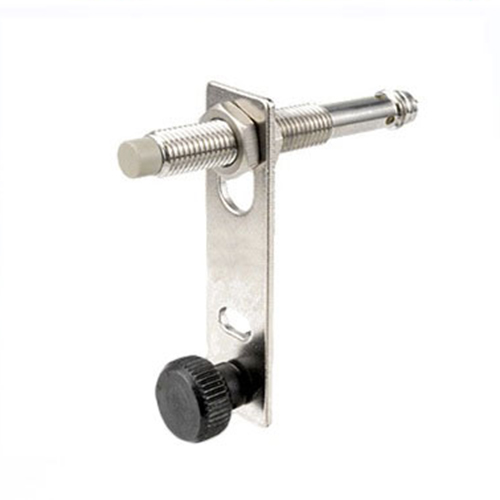
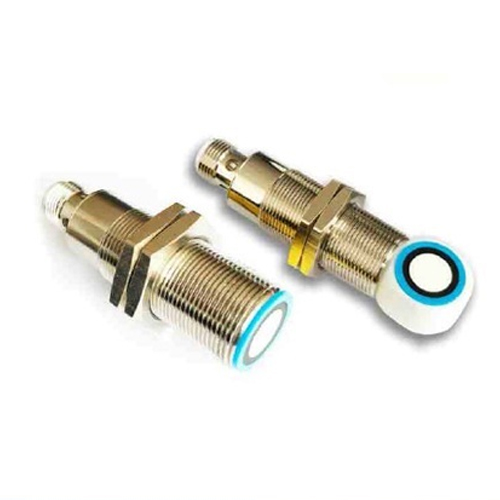
At its core, an M18 proximity sensor is a non-contact electronic device designed to detect the presence or absence of metallic objects within its sensing range without any physical touch. Operating primarily on inductive principles, it generates an electromagnetic field. When a metal target enters this field, it causes a change in the oscillation amplitude, which the sensor's circuitry detects and converts into a clean electrical output signal. This simple yet robust mechanism is the key to its widespread adoption. The standardized M18 threaded barrel allows for easy installation and replacement, offering a perfect balance between a compact size and sufficient sensing distance for countless applications.
The advantages of integrating M18 inductive proximity sensors into an automation system are multifaceted. First and foremost is their exceptional reliability. With no moving parts to wear out and a fully sealed construction typically rated IP67 or higher, they are immune to dust, oil, coolant, and other harsh industrial contaminants. This translates to minimal maintenance and reduced downtime. Their high switching frequency enables them to detect objects at incredible speeds, making them ideal for high-speed counting, sorting, and positioning tasks on conveyor systems. Furthermore, their inherent resistance to vibration and electrical noise ensures stable performance even in the most demanding environments, from automotive assembly robots to packaging machinery.
When selecting an M18 proximity sensor for a specific task, several technical specifications demand careful consideration. The sensing distance, often a few millimeters for standard models, is crucial for proper mounting and gap alignment. The choice of sensing face—flush-mounted or non-flush—affects installation flexibility and potential interference from surrounding metal. Output configuration, whether NPN (sinking) or PNP (sourcing), must match the control system's input requirements. Additionally, factors like housing material (often nickel-plated brass or stainless steel), output type (NO/NC), and connection method (pre-wired cable or quick-disconnect) are selected based on the environmental conditions and wiring preferences.
The practical applications of M18 proximity sensors are virtually limitless. They are the eyes of automated systems, performing critical functions such as end-of-travel detection on linear actuators, verifying the presence of metal parts in fixtures, monitoring spindle position in machine tools, and controlling liquid levels by detecting float positions. In material handling, they count bottles, cans, or boxes on production lines. Their robustness makes them perfect for use in CNC machining centers, robotic welding cells, and stamping presses where metallic debris and coolants are prevalent.
To maximize the performance and lifespan of these sensors, proper installation and maintenance are paramount. Ensure the sensor is mounted securely to avoid misalignment caused by vibration. Maintain the recommended clearance from surrounding metal to prevent false triggering. Regularly clean the sensing face of any buildup, though their sealed nature often makes this a minimal concern. Periodically check the electrical connections for corrosion or looseness. Understanding these simple best practices can prevent unexpected failures and optimize system uptime.
As technology advances, modern M18 sensors offer enhanced features. Some models incorporate advanced diagnostics with LED indicators for operational status and overload protection. Others are designed with increased switching distances or specialized alloys for detecting challenging metals like aluminum and stainless steel. The evolution towards IO-Link communication is also transforming standard M18 sensors into smart devices capable of providing detailed process data and enabling predictive maintenance strategies, adding a new layer of intelligence to the factory floor.
In conclusion, the M18 proximity sensor is far more than just a simple switch. It is a testament to engineered reliability, a critical component that forms the sensory backbone of industrial automation. Its standardized design, rugged construction, and versatile functionality make it an indispensable tool for engineers and technicians aiming to build resilient, efficient, and productive automated systems. By understanding its principles, specifications, and optimal application practices, businesses can leverage this proven technology to achieve higher levels of operational excellence and competitive advantage in an increasingly automated world.