Проверка
Проверка
Проверка
Проверка
Проверка
Проверка
In modern industrial automation, the seamless integration of components is paramount for operational efficiency and reliability. Among these critical components, the cable connector proximity sensor plays a pivotal role. This sophisticated device, often overlooked, is fundamental in ensuring precise non-contact detection and robust signal transmission within complex machinery and production lines.
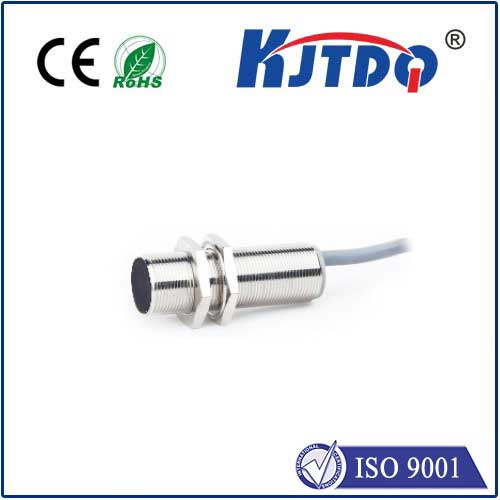
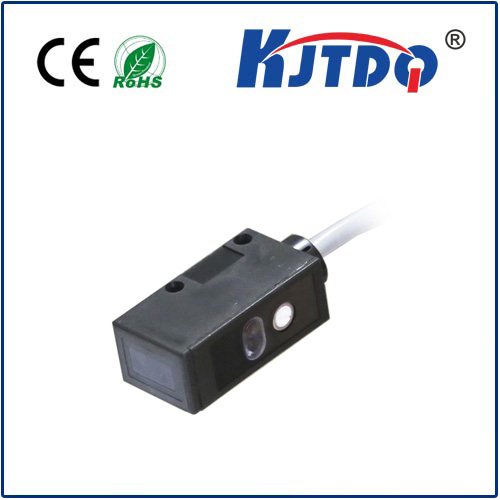
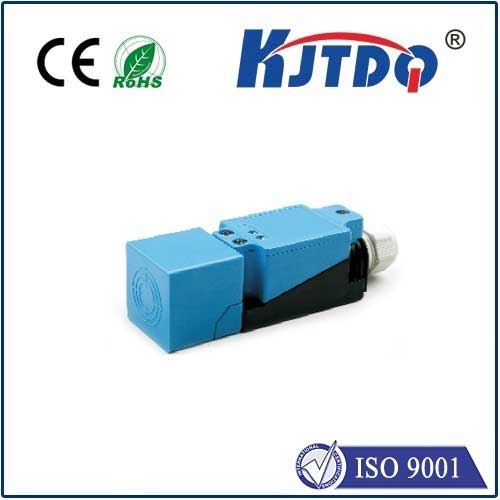
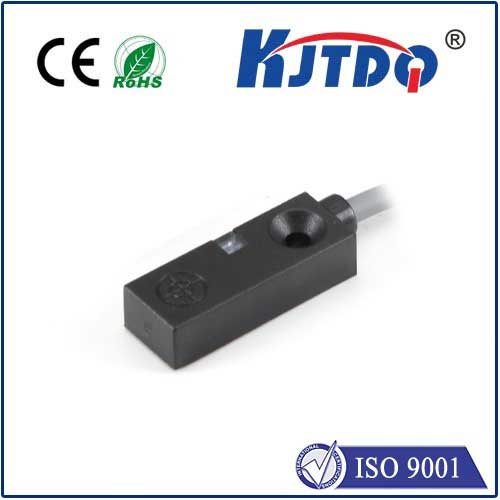
A cable connector proximity sensor is essentially a sensor unit combined with a dedicated cable and connector assembly. It detects the presence or absence of an object without physical contact, typically using electromagnetic, inductive, or capacitive principles. The integrated cable and connector are not mere accessories; they are engineered for durability, shielding against electromagnetic interference (EMI), and ensuring a stable, uninterrupted electrical connection even in harsh industrial environments. Vibration, moisture, dust, and extreme temperatures are common challenges where a high-quality sensor assembly proves its worth, preventing false triggers and system downtime.
The applications are vast and varied. In automotive manufacturing, these sensors precisely position robotic arms for welding and assembly, with the rugged connector ensuring signals remain intact amidst constant movement. On packaging lines, they count products, verify lid placement, and control filling levels, where a reliable connection is crucial for maintaining high-speed operation. In material handling and logistics, they facilitate the smooth operation of conveyor systems, detecting parcel positions and preventing jams. The integration of a robust cable connector directly impacts the sensor's longevity and signal integrity, reducing maintenance needs and replacement costs.
Choosing the right cable connector proximity sensor involves several technical considerations. Sensing range, response frequency, output type (e.g., NPN/PNP, analog, IO-Link), and housing material (such as nickel-plated brass or stainless steel) must match the application. Equally important is the connector specification. Factors like IP rating for ingress protection, connector type (e.g., M8, M12), cable length, and flexibility determine the system's resilience. A sensor with an M12 connector, for instance, offers a secure, screw-locked connection ideal for environments with significant vibration.
The benefits of implementing these advanced sensor systems are substantial. They contribute significantly to predictive maintenance strategies. By providing consistent, accurate data, they help in monitoring equipment health, allowing issues to be addressed before they cause failure. This leads to enhanced overall equipment effectiveness (OEE), reduced unplanned downtime, and lower total cost of ownership. Furthermore, the precision they offer improves product quality control and manufacturing consistency.
As Industry 4.0 and the Industrial Internet of Things (IIoT) evolve, the role of the cable connector proximity sensor becomes even more strategic. Modern sensors with integrated smart connectors can transmit not just a simple on/off signal but also diagnostic data, parameter settings, and process values. This facilitates centralized monitoring, remote configuration, and seamless integration into larger networked control systems, paving the way for smarter, more adaptive factories.
In conclusion, the cable connector proximity sensor is a cornerstone of modern industrial automation. Its design, which unifies reliable sensing with a secure connection, is critical for achieving the high levels of efficiency, safety, and data integrity required in today's competitive manufacturing landscape. Selecting and deploying the appropriate sensor-connector combination is a key technical decision that directly influences productivity and operational success.