Проверка
Проверка
Проверка
Проверка
Проверка
Проверка
In the intricate world of industrial automation, where precision and reliability are paramount, the spotlight often falls on sophisticated controllers, powerful actuators, and intelligent software. Yet, the seamless operation of these complex systems frequently hinges on a much more humble component: the proximity sensor housing. Far from being a mere protective shell, the housing of a proximity sensor is a critical engineering element that directly influences performance, longevity, and application success. This article delves into the vital role these housings play and why selecting the right one is a decision that impacts your entire operation.
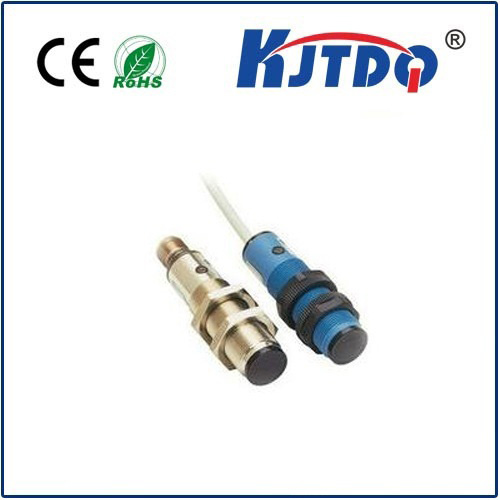
At its core, a proximity sensor detects the presence or absence of an object without physical contact. However, the sensitive electronic components inside are vulnerable to the harsh realities of industrial environments. This is where the housing steps in as the first line of defense. A well-designed housing shields the sensor from physical impacts, abrasive dust, corrosive chemicals, high-pressure washdowns, and extreme temperatures. Without this robust protection, even the most advanced sensor would quickly succumb to failure, leading to costly downtime and production interruptions. Materials matter immensely; housings are commonly crafted from stainless steel for corrosive or food-grade environments, rugged plastics like PBT or PPS for chemical resistance, and nickel-plated brass for general-purpose durability. The choice of material is dictated by the specific environmental challenges the sensor will face.
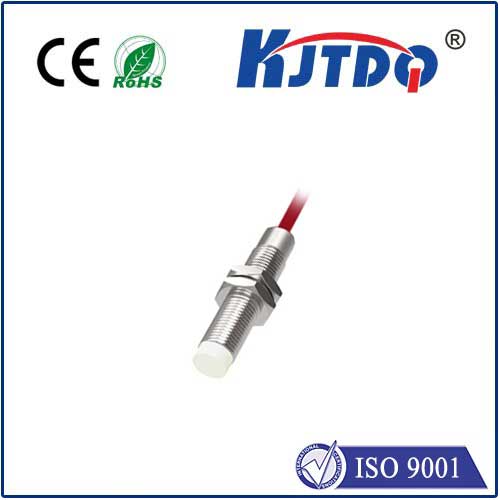
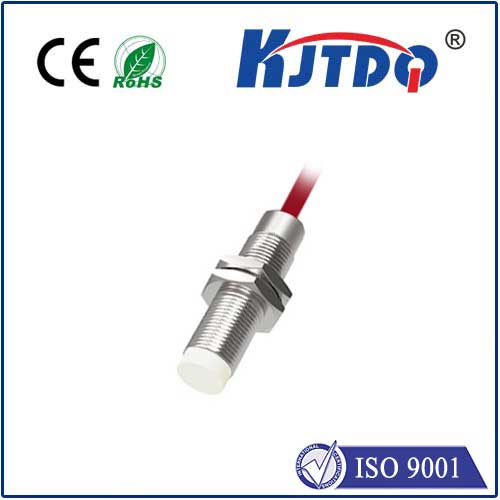
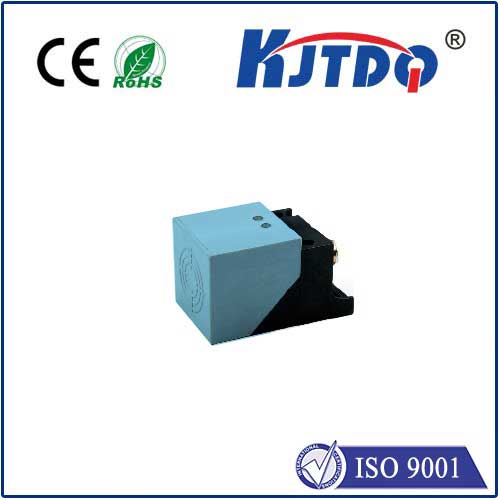
Beyond protection, the design of proximity sensor housings significantly affects sensing performance and installation flexibility. The shape and size of the housing determine the sensor's sensing range and field of view. Cylindrical housings, for instance, are ubiquitous and offer excellent all-around protection, while rectangular or block-style housings might provide unique mounting advantages or built-in features like alignment indicators. The housing also dictates the mounting method—whether it's threaded for easy integration into machinery, designed for bracket mounting, or equipped with quick-disconnect connectors for simplified maintenance. Engineers must consider not just what the sensor needs to sense, but how it will physically integrate into the existing machine design. A poorly chosen housing can create installation headaches, blind spots in detection, or vulnerability to damage from nearby moving parts.
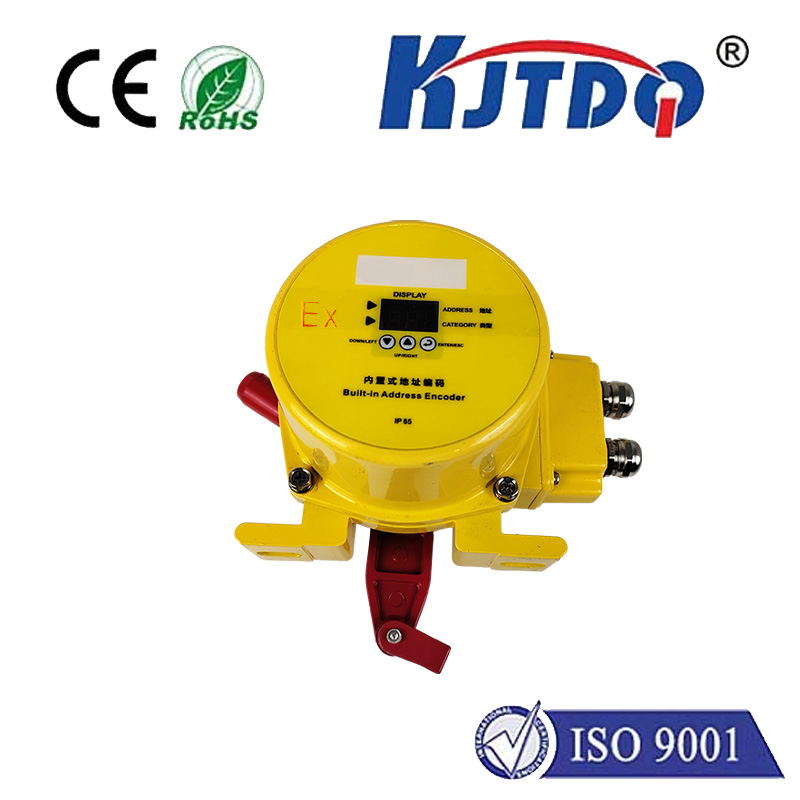
Furthermore, industry-specific standards and certifications are often encapsulated within the housing. In food and beverage processing, housings must comply with stringent hygienic design principles, featuring smooth, crevice-free surfaces that prevent bacterial growth and withstand frequent sterilization. For applications in explosive atmospheres (ATEX, IECEx), the housing is a key component in achieving the necessary explosion-proof rating, containing any potential internal spark. The integrity of the housing's seals, typically rated by an IP (Ingress Protection) code like IP67 or IP69K, is non-negotiable for ensuring the sensor remains operational when exposed to water, oils, or dust. The housing, therefore, is not just a container but a certificate of the sensor's suitability for its intended mission.
In conclusion, while the internal electronics define a proximity sensor's logic, its housing defines its soul and resilience. Specifying proximity sensors housings should never be an afterthought. It requires a careful evaluation of the environmental conditions, mechanical stresses, regulatory requirements, and installation constraints. Investing in sensors with appropriately engineered housings from reputable manufacturers like KJTDQ translates directly into enhanced system reliability, reduced maintenance costs, and uninterrupted productivity. By acknowledging the critical role of these unsung heroes, engineers and plant managers can build automation systems that are not only smart but also extraordinarily robust and dependable for the long haul.