Проверка
Проверка
Проверка
Проверка
Проверка
Проверка
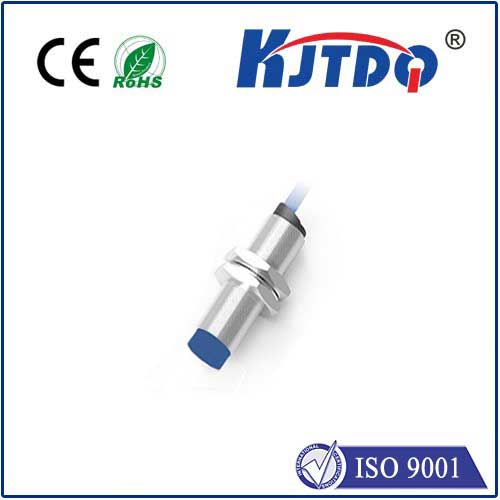
Modern Ford vehicles rely on a sophisticated network of sensors to ensure safety, convenience, and optimal performance. Among these critical components, the Ford proximity sensor plug plays a pivotal, though often overlooked, role. This small connector is the vital link between the vehicle's main computer systems and the proximity sensors themselves, which are commonly used in parking assist systems and blind-spot monitoring. When this plug or its connection fails, it can lead to a cascade of issues, from erroneous warning signals to the complete disablement of essential safety features. Understanding its function, recognizing signs of trouble, and knowing maintenance basics are crucial for every Ford owner.
The primary function of the Ford proximity sensor plug is to transmit power and data. It delivers the necessary electrical current from the vehicle's wiring harness to the sensor and, simultaneously, relays the sensor's ultrasonic or radar signals back to the control module. This constant two-way communication allows your Ford to accurately gauge distances to nearby objects. Whether you're parallel parking in a tight urban space or navigating a crowded lot, the integrity of this connection is what makes the familiar beeps and visual alerts on your dashboard both timely and reliable. A secure, corrosion-free plug ensures data fidelity, while a loose or damaged one introduces signal noise or failure.
Several symptoms can indicate a problem with the Ford proximity sensor plug or its associated wiring. The most common is the intermittent or constant illumination of warning lights on the instrument cluster, often accompanied by a message like "Parking Aid Fault" or "Blind Spot System Not Available." You might experience sensors that trigger without any visible obstruction, or conversely, sensors that remain silent when an object is genuinely close. In some cases, only one sensor in a system (e.g., the left-rear corner) malfunctions, pinpointing a localized issue with that specific sensor's plug or wiring, rather than a central module failure.
Addressing issues related to the Ford proximity sensor plug involves a methodical diagnostic approach. Before assuming the sensor itself is faulty, a visual inspection of the plug and its wiring is the essential first step. Locate the specific sensor related to the fault code or malfunctioning zone. Carefully disconnect the plug and examine both the connector head and the socket on the sensor. Look for obvious signs of damage, such as bent or corroded pins, cracks in the plastic housing, or frayed wires leading to the connector. Corrosion, often due to water ingress from road spray or high-pressure washing, is a frequent culprit. Cleaning the contacts with electrical contact cleaner and ensuring a snug reconnection can sometimes resolve the issue.
For persistent problems, more advanced troubleshooting with a professional OBD-II scanner is recommended. This tool can access specific sensor data and fault codes within the Ford's network, helping to distinguish between a faulty sensor, a wiring/plug issue, or a problem with the main control module. Replacement of the Ford proximity sensor plug, if damaged, typically involves sourcing the correct connector pigtail from a dealership or reputable parts supplier. Repair requires splicing and soldering the new pigtail to the existing vehicle wiring, a task best performed by a qualified technician to ensure proper insulation, connection, and long-term reliability.
Proactive maintenance can prevent many common issues with the Ford proximity sensor plug. When washing your vehicle, avoid directing high-pressure water jets directly at the sensor areas, typically located in the bumpers. Periodically, during routine under-hood checks or tire rotations, take a moment to visually inspect the accessible sensor connectors for debris or moisture. Ensuring that any aftermarket modifications, such as bumper repairs or trailer hitch installations, do not compromise the sensor wiring or plugs is also critical. By giving attention to these small connectors, you safeguard the functionality of advanced driver-assistance systems, maintaining both your vehicle's safety and its resale value.