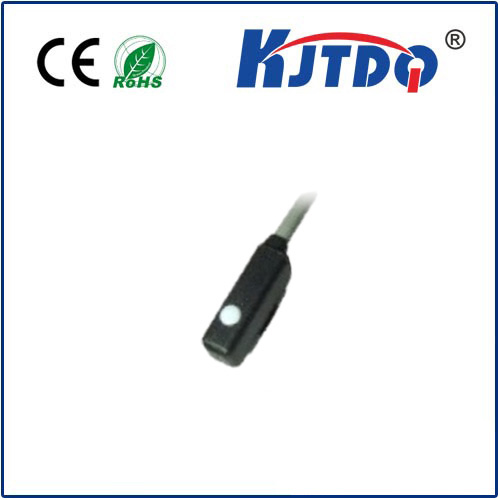
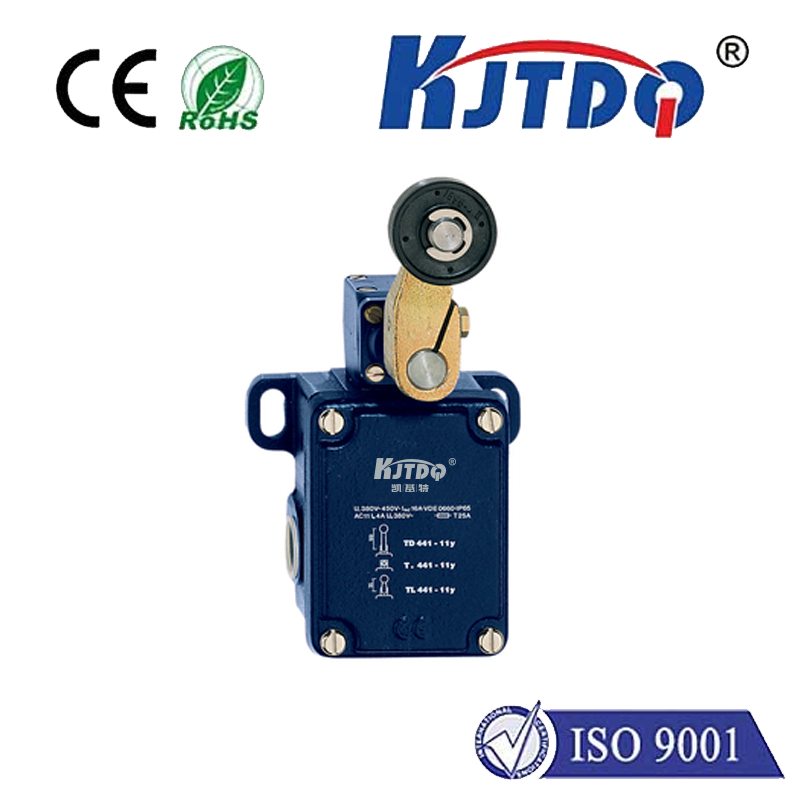
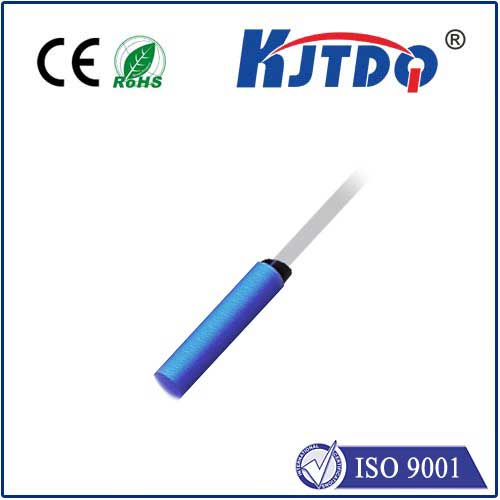
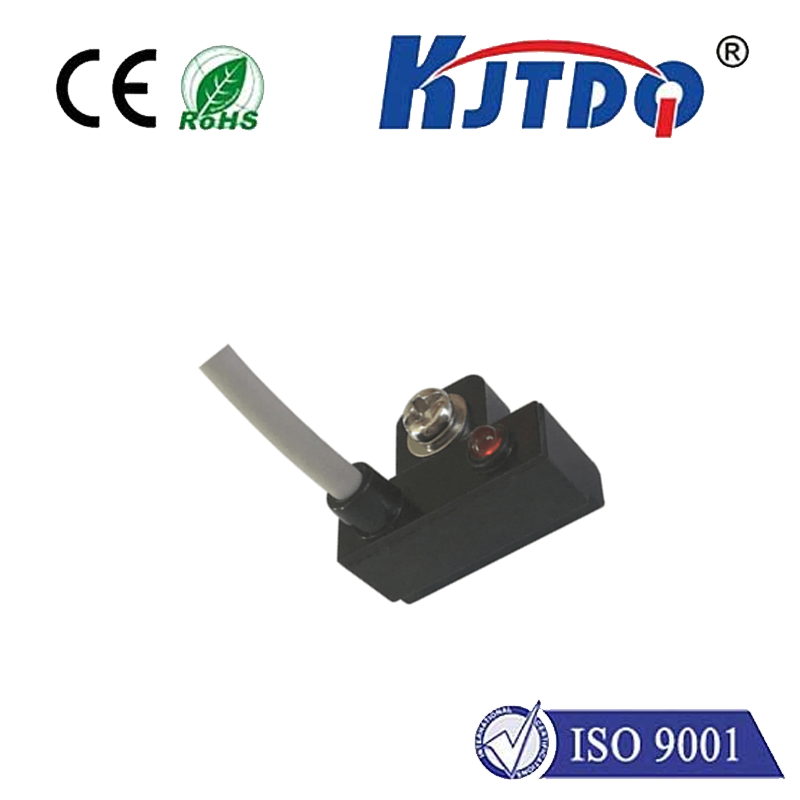
In the complex and demanding world of industrial automation, reliability and precision are non-negotiable. Among the myriad of components that keep production lines humming, sensors play a pivotal role. Specifically, the 24-volt 3-wire proximity sensor has emerged as a cornerstone technology for countless detection and positioning tasks. This guide delves deep into the functionality, advantages, and critical selection criteria for these indispensable devices, ensuring you can make an informed decision for your operational needs.
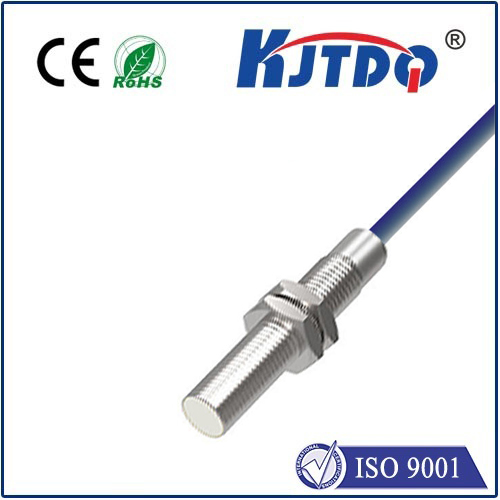
A proximity sensor, at its core, is a device that detects the presence or absence of an object within its sensing range without physical contact. The 24V DC 3-wire configuration is one of the most prevalent standards in industrial environments. The "24 volts" refers to its operating voltage, which aligns perfectly with the common control circuit voltage in factories, offering a safe and efficient power level. The "3-wire" designation indicates its wiring setup: typically comprising a positive voltage wire (brown), a negative or ground wire (blue), and a signal output wire (black). This output can be either NPN (sinking) or PNP (sourcing), providing a switching signal to a programmable logic controller (PLC) or other control unit when a target is detected.
The operational principle of an inductive proximity sensor, the most common type for metal detection, is based on electromagnetic fields. The sensor generates an oscillating electromagnetic field from its sensing face. When a metallic object enters this field, it causes eddy currents on the object's surface, which dampens the oscillation. The sensor's internal circuit detects this change and triggers the output switch. This non-contact method eliminates mechanical wear, ensuring a long operational life even in high-cycle applications. For detecting non-metallic objects, capacitive versions are available, which sense changes in capacitance.
Why has the 24V 3-wire model become such an industry favorite? The benefits are substantial. First, the 24V DC power is considered safe for personnel and is less susceptible to electrical noise compared to higher voltages, leading to more stable signal transmission. The three-wire design simplifies installation and integration compared to two-wire versions, offering better performance with a dedicated output line. These sensors boast exceptional durability, often featuring robust housings made of nickel-plated brass or stainless steel, making them resistant to impacts, vibrations, and harsh environmental conditions like coolants, oils, and dust. Their high switching speed and repeat accuracy make them ideal for high-speed counting, precise positioning, and end-of-travel limit detection.
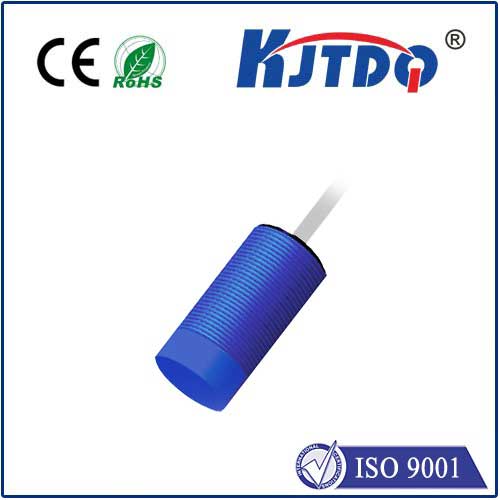
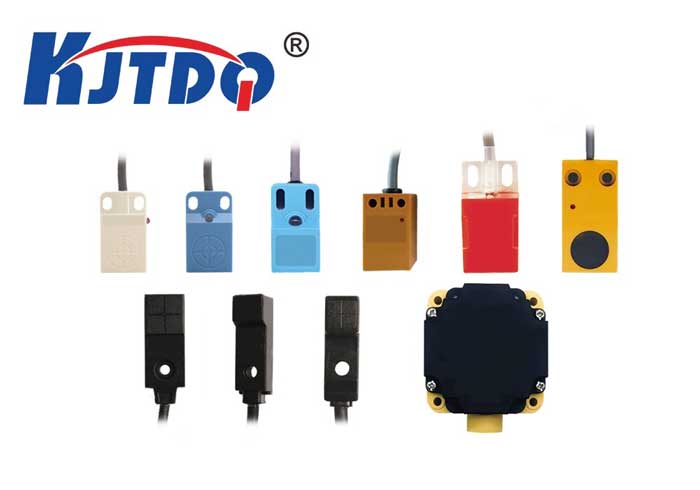
Selecting the right proximity sensor requires careful consideration of several parameters beyond just voltage and wiring. The sensing distance, or nominal range, is crucial and must be chosen based on the application, often with a safety margin. The target material (steel, aluminum, copper, plastic, liquid) dictates whether you need an inductive or capacitive sensor. The housing shape—barrel, rectangular, or ring-shaped—must fit the mechanical constraints of the installation. Environmental factors like temperature extremes, potential for washdowns, or exposure to welding sparks necessitate sensors with appropriate IP (Ingress Protection) ratings, such as IP67 or IP69K. Finally, the output type (NPN or PNP) must be compatible with the input card of your controller.
Installation and maintenance are straightforward but require attention to detail. Ensure the sensor is mounted securely and correctly aligned with the target path. Maintain the recommended gap between the sensing face and the target, and be mindful of the minimum distance required between multiple sensors to prevent mutual interference. For metallic mounting surfaces, flush-mountable models are necessary to avoid side-effects. Regular checks for physical damage, accumulation of debris on the sensing face, and verification of the output signal with a multimeter or indicator lamp are part of a good preventive maintenance routine.
From automotive assembly lines and packaging machinery to material handling systems and robotic cells, the applications for 24V 3-wire proximity sensors are virtually limitless. They are used to detect the position of a metal part on a conveyor, confirm the closure of a safety guard, count bottles on a filling line, or control the depth of a drilling tool. Their versatility and robustness make them a fundamental building block in creating smarter, more efficient, and safer automated processes.
In conclusion, the 24-volt 3-wire proximity sensor is far more than just a simple switch. It is a sophisticated, reliable, and essential component that provides the critical data needed for modern industrial control. By understanding its principles, benefits, and selection criteria, engineers and maintenance professionals can ensure optimal performance, minimize downtime, and enhance the overall productivity of their automated systems. Investing in the right sensor technology is an investment in operational excellence.