Проверка
Проверка
Проверка
Проверка
Проверка
Проверка
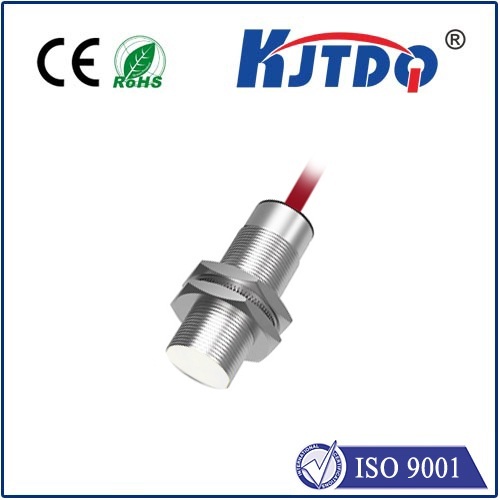
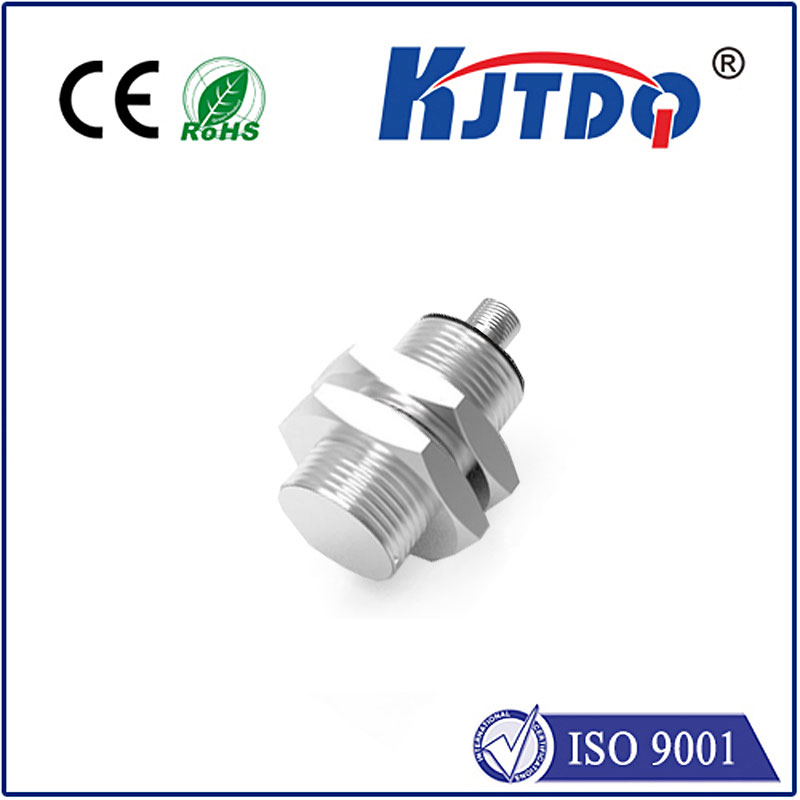
In demanding industrial environments where temperatures soar, standard proximity sensors often fail, leading to costly downtime and maintenance. The KJTDQ heat resistant proximity sensor is engineered to withstand these extreme conditions, providing reliable, non-contact detection where it matters most. Unlike conventional sensors that falter under thermal stress, this advanced device maintains precise operation, ensuring continuous process integrity in foundries, metal processing, kilns, and other high-heat zones.
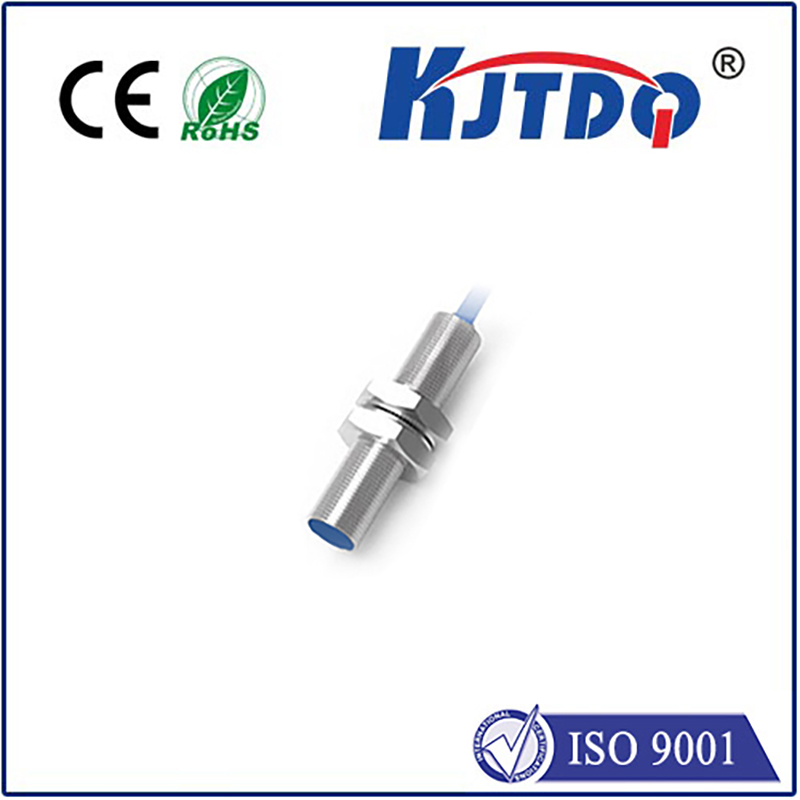
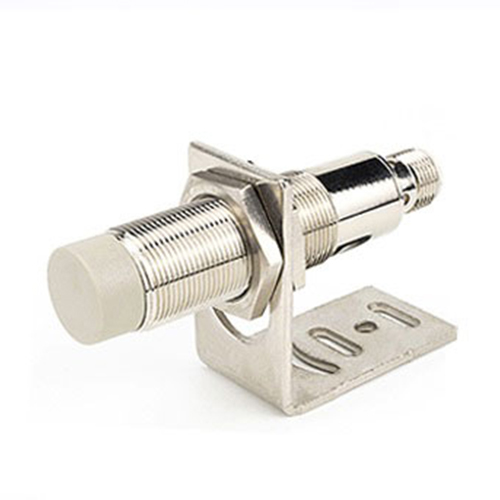
The core innovation lies in its specialized construction. The KJTDQ sensor incorporates high-temperature rated materials for its housing, cabling, and internal electronics. A robust stainless-steel casing provides superior protection against physical impact and thermal radiation. Internally, thermally stable components and advanced insulation techniques prevent internal failure. The sensing face is designed with a ceramic or other refractory material that resists heat absorption and thermal shock, allowing the sensor to be positioned closer to hot targets without performance degradation. This design directly addresses the primary point of failure for standard inductive or capacitive sensors in hot environments: the breakdown of internal semiconductors and the deformation of plastic components.
Operational reliability is paramount. The KJTDQ heat resistant proximity sensor delivers consistent switching signals even when ambient temperatures consistently exceed 150°C, with specific models rated for temperatures up to 250°C or higher. This stability prevents false triggers and missed detections that can disrupt automated lines. For instance, in a die-casting operation, it can reliably detect the position of molten metal molds without succumbing to the intense ambient heat. In glass manufacturing, it monitors bottle positions on annealing lehrs, where temperatures remain persistently high. The sensor's immunity to thermal drift means its sensing distance remains constant, a critical factor for precision automation.
Installation and integration are straightforward. Designed with industry-standard mounting threads and connection types, the KJTDQ sensor can often directly replace a failing standard sensor without requiring extensive system redesign. Its extended temperature capability reduces the need for complex and costly cooling apparatus like air or water cooling jackets, simplifying system layout and lowering total cost of ownership. Maintenance intervals are significantly extended, as the sensor is not being thermally fatigued with each production cycle.
Beyond metal and foundry work, applications extend to any sector plagued by heat. In the energy sector, these sensors monitor equipment in power generation plants. In automotive, they function near curing ovens and welding robots. In ceramics and brick production, they endure the heat from kilns. The versatility of the KJTDQ series makes it an indispensable component for engineers seeking to harden their systems against environmental extremes.
Choosing the right sensor involves considering the specific thermal challenge. Factors include the continuous ambient temperature, peak radiant heat from the target, required sensing distance, and the target material itself. The KJTDQ range offers various models optimized for different points on this spectrum, ensuring a tailored solution. Ultimately, investing in a purpose-built heat resistant sensor is not an expense but a safeguard for productivity. It eliminates a common vulnerability, turning a potential point of failure into a bastion of reliability. By ensuring detection accuracy in the harshest conditions, the KJTDQ heat resistant proximity sensor empowers industries to push the boundaries of their processes without fear of sensor-related stoppages, driving efficiency and protecting valuable capital equipment.