Проверка
Проверка
Проверка
Проверка
Проверка

Проверка
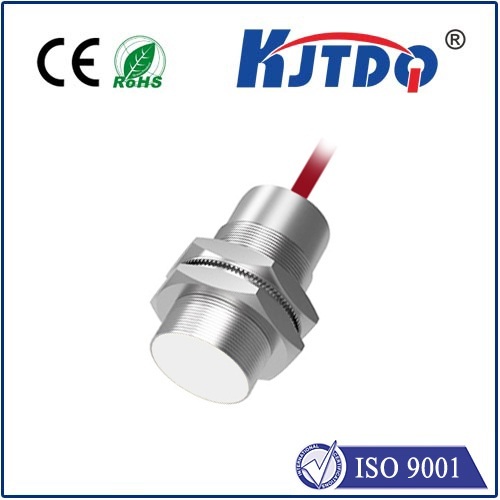
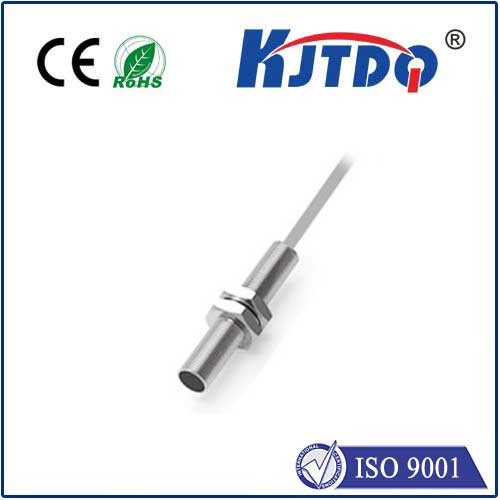
In the fast-paced world of industrial automation, precision, reliability, and durability are non-negotiable. The KJTDQ Proximity Sensor 24V Inductive stands as a cornerstone technology, engineered to meet the rigorous demands of modern manufacturing and control systems. Operating on a standard 24V DC supply, this sensor offers a robust and energy-efficient solution for non-contact object detection in a myriad of industrial environments.
The core principle behind the inductive proximity sensor is electromagnetic induction. The sensor generates a high-frequency oscillating electromagnetic field from its active face. When a metallic target object enters this detection field, eddy currents are induced on the surface of the metal. This causes a change in the oscillation amplitude within the sensor's internal circuit. The sensor's sophisticated electronics detect this change and trigger a solid-state switching output, signaling the presence of the object without any physical contact. This fundamental operation makes it exceptionally reliable, with no moving parts to wear out, ensuring a long operational life even in harsh conditions filled with dust, oil, and coolant.
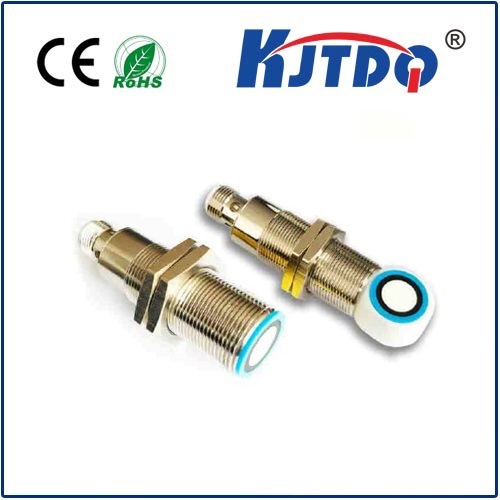
The 24V DC operating voltage is a significant advantage. It aligns perfectly with the standard control voltage used in Programmable Logic Controllers (PLCs), industrial PCs, and most automation machinery. This compatibility simplifies integration, reduces the need for additional voltage converters or complex wiring, and enhances overall system safety compared to higher voltage alternatives. The KJTDQ sensor is designed for easy installation, often featuring LED status indicators for quick diagnostics, and comes in various housing styles (like cylindrical, rectangular, or ring-shaped) and sensing distances to fit diverse application needs.
Where does this technology prove indispensable? The applications are vast. On high-speed assembly lines, these sensors accurately detect the position of metal components, ensuring precise timing for robotic arms or actuating cylinders. In packaging machinery, they count metal lids or verify the presence of canned products. Within CNC machining centers, they serve as limit switches or tool presence detectors, safeguarding expensive equipment from damage. Material handling systems rely on them to monitor conveyor belt operations, detect pallet positions, and manage inventory in automated storage and retrieval systems. Their immunity to ambient light and ability to function in dirty environments make them superior to photoelectric sensors for metal-sensing tasks.
Choosing the right inductive proximity sensor involves several key specifications. The sensing distance, typically rated for a standard target, is crucial for mechanical design. Factors like the target material (steel, aluminum, brass) can affect this range. The output type, whether NPN (sinking) or PNP (sourcing), must match the input card of the controller. Environmental ratings, particularly the Ingress Protection (IP) code (e.g., IP67), indicate the level of protection against dust and water ingress, which is vital for washdown areas or outdoor use. The KJTDQ series is built to high standards, offering consistent performance, temperature stability, and excellent resistance to electrical noise commonly found in industrial plants.
Beyond basic detection, advanced features in modern sensors like the KJTDQ provide added value. Some models offer short-circuit and overload protection, reverse polarity protection, and welding field immunity, which prevents malfunction from the strong magnetic fields generated by nearby welding equipment. These features minimize downtime and maintenance costs, contributing directly to higher productivity and overall equipment effectiveness (OEE).
For system integrators and maintenance engineers, the benefits are clear. The non-contact nature eliminates mechanical wear and tear, leading to reduced maintenance. The fast response time allows for detection at very high speeds, critical for modern production cycles. Their rugged construction ensures consistent operation under vibration and shock. By providing a reliable digital signal to the control system, these sensors form the essential sensory layer that enables precise, automated, and efficient industrial processes.
In conclusion, the KJTDQ Proximity Sensor 24V Inductive is more than just a component; it is a fundamental enabler of industrial automation. Its combination of robust 24V DC operation, non-contact inductive sensing technology, and rugged design delivers the reliability and precision required in today's competitive manufacturing landscape. For any application involving the detection of metallic objects, from simple presence checking to complex positional control, integrating a high-quality inductive proximity sensor like the KJTDQ is a strategic decision for enhancing system reliability, safety, and operational efficiency.