Проверка
Проверка
Проверка
Проверка
Проверка
Проверка
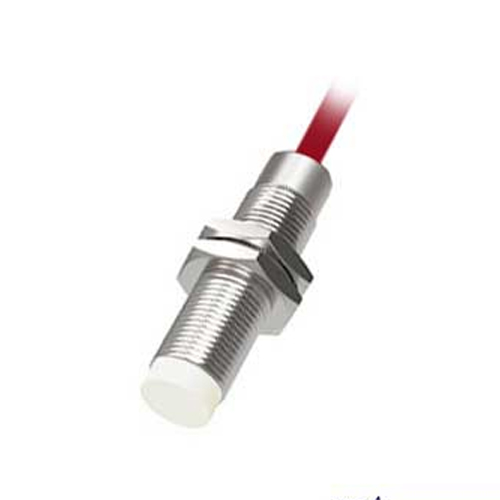
Picture an automotive assembly line: robot arms move with precision, welding sparks fly, and components glide seamlessly into place. Hidden from view, a crucial component ensures this ballet of metal and motion runs safely and efficiently. It detects the presence of metallic parts without a single touch, triggering actions with remarkable speed and reliability. This unsung hero? The AC proximity sensor. In the demanding world of industrial automation, non-contact sensing is paramount, and AC-powered proximity sensors remain a vital solution for countless metal detection tasks. How does this technology work its silent magic, and why does it continue to be a cornerstone of modern factories? Let’s explore the essential role of these robust sensors.
The Heartbeat of AC Sensing: Electromagnetic Fields
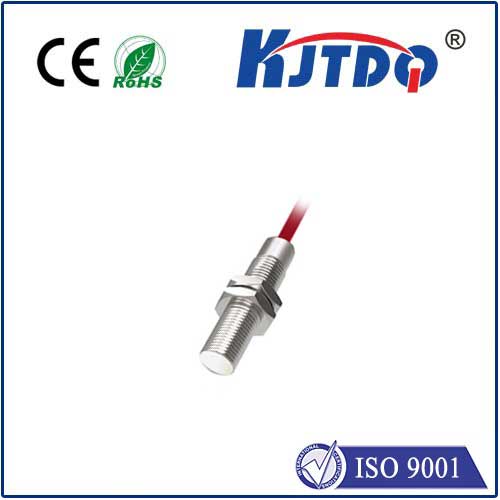
Unlike their DC counterparts, AC proximity sensors operate using alternating current. This fundamental difference shapes their core functionality. Inside the sensor’s face, an oscillator generates a high-frequency alternating magnetic field. When a ferrous (iron-containing) or non-ferrous metal object (like aluminum, brass, or copper) enters this active field, it interacts profoundly with it. For ferrous metals, the field induces magnetic poles within the material, effectively drawing in the magnetic flux. For non-ferrous metals, the alternating field induces swirling electrical currents within the target material itself, known as eddy currents. Both phenomena – magnetic absorption and eddy current generation – cause a measurable loss of energy within the sensor’s oscillating circuit. This energy loss triggers the sensor’s switching electronics. Once the disturbance exceeds a predefined threshold, the sensor’s output state changes dramatically – typically switching from “OFF” to “ON” or vice versa (configured as Normally Open - NO, or Normally Closed - NC). This rapid electronic response happens without any physical contact, enabling truly wear-free operation in harsh industrial settings.
Why Choose AC? Distinct Advantages for Demanding Environments

The choice of AC power isn’t arbitrary; it grants these sensors unique properties highly valued in industrial contexts:
Core Applications: Where AC Proximity Sensors Shine
These sensors are ubiquitous workhorses across diverse industrial sectors:
Navigating Selection: Key Considerations
Choosing the right AC proximity sensor involves understanding specific application requirements:
Conclusion: An Enduring Pillar of Industrial Sensing
While newer DC technologies offer advantages like longer non-ferrous detection and specialized outputs, the fundamental strengths of AC proximity sensors ensure their continued dominance in countless applications. Their inherent robustness against electrical noise, proven reliability in detecting ferrous metals, and often favorable cost-performance ratio solidify them as indispensable tools. From the relentless pace of automotive assembly to the precision of machine tools, AC proximity sensors provide the essential, non-contact detection that keeps industrial processes running smoothly, safely, and efficiently. Their silent vigilance remains a cornerstone of modern automation, proving that sometimes, the simplest solutions are the most enduring.