Проверка
Проверка
Проверка
Проверка
Проверка
Проверка
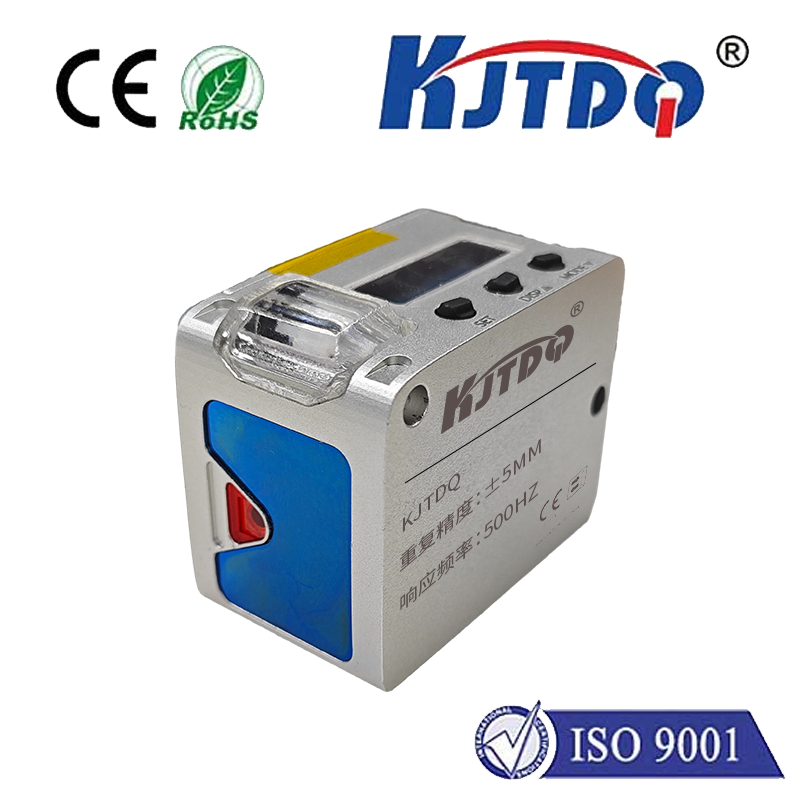
In industrial automation and precision measurement systems, the choice of detection technology is paramount. Among the various options available, the laser photoelectric sensor stands out as a cornerstone of modern, reliable, and high-accuracy sensing solutions. This technology, which utilizes a focused laser beam as its light source, has revolutionized how machines perceive their environment, enabling unprecedented levels of control and efficiency.
At its core, a laser photoelectric sensor operates on a simple yet powerful principle. It emits a concentrated beam of light—typically from a laser diode—towards a target. The sensor's receiver then detects the condition of this light beam. Depending on the specific model and application need, it can be configured to detect the presence, absence, or distance of an object by analyzing one of three primary methods: through-beam, retro-reflective, or diffuse reflection.
The through-beam, or opposed mode, is considered the most robust. It consists of a separate transmitter and receiver unit placed opposite each other. An object is detected when it interrupts the laser beam traveling between them. This method offers the longest sensing ranges and highest reliability, as it is largely immune to the object's color, surface finish, or angle. It is ideal for precise counting, high-speed registration, and safety curtains.
Retro-reflective sensors house both the emitter and receiver in a single housing. They rely on a specialized reflector, often a corner-cube prism, to bounce the laser beam directly back to the receiver. Detection occurs when an object breaks this return path. This type provides a good balance of range and convenience, simplifying installation compared to through-beam systems while maintaining strong performance, perfect for conveyor belt monitoring and door control.
The diffuse reflective, or proximity, mode is the most compact and easiest to install, as it requires only a single unit. The sensor emits the laser and detects the light scattered (diffused) directly back from the target object itself. The detection is based on the intensity of the reflected light. While more susceptible to the target's color and surface properties, advanced versions with background suppression or true background suppression technology can precisely define a sensing window, ignoring objects beyond a set distance. This makes them excellent for precise positioning, fill level control, and robotic guidance.
The advantages of laser photoelectric sensors over other technologies are significant. Their highly collimated laser beam allows for precise spot sizing, enabling the detection of extremely small objects or features. They offer excellent resolution and repeatability for distance measurement tasks. The coherent nature of laser light provides superior performance in challenging environments with ambient light interference. Furthermore, their fast response times are critical for high-speed production lines.
Modern laser photoelectric sensors are engineered for durability. Housings are often constructed from robust metals or high-grade plastics with ingress protection ratings like IP67 or IP69K, making them resistant to dust, water jets, and harsh washdowns common in food & beverage or pharmaceutical manufacturing. They integrate seamlessly into industrial networks via various output options (PNP/NPN, analog, IO-Link) and communication protocols.
Selecting the right sensor requires careful consideration of the application. Key parameters include required sensing range, the size and material of the target, environmental conditions (dust, moisture, temperature), required output signal, and necessary housing form factor. Consulting with a technical specialist is always recommended to ensure optimal performance.
From packaging and material handling to electronics assembly and automotive manufacturing, laser photoelectric sensors provide the critical "eyes" for automated systems. Their unparalleled precision, reliability, and versatility make them an indispensable component in the drive towards smarter, more efficient, and error-free industrial operations. As technology advances, we can expect these sensors to become even more intelligent, with integrated diagnostics and enhanced connectivity, further solidifying their role in the future of automation.