In the high-stakes world of industrial automation, where machinery operates under immense pressure and within tight tolerances, the reliability of every component is non-negotiable. Sensor failure in such environments can lead to catastrophic downtime, safety hazards, and significant financial loss. This is where precision-engineered components like the BHS G403N-POD10-S26, also known by its part number BHS006P, become critical. This high-pressure proximity sensor is not just another component; it is a robust sentinel designed to deliver unwavering performance where others might falter.
The core challenge in high-pressure environments, such as those found in hydraulic systems, heavy-duty presses, injection molding machines, and offshore equipment, is maintaining accurate detection despite extreme physical forces. Standard sensors can suffer from housing deformation, diaphragm failure, or signal drift when subjected to pressures that can exceed several hundred bar. The BHS G403N-POD10-S26 is specifically constructed to overcome these hurdles. Its defining feature is its exceptional pressure resistance, built into a rugged, often stainless-steel housing that can withstand the mechanical stresses without compromising the internal sensing element.
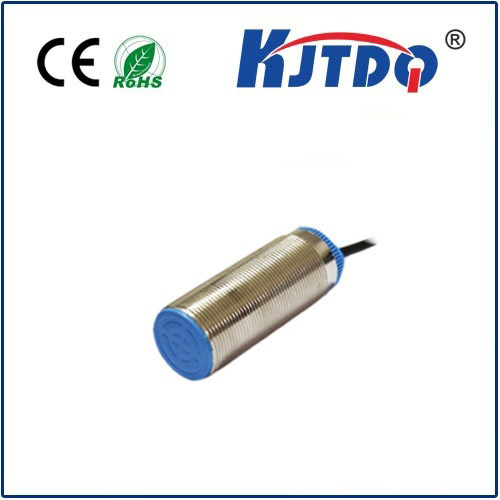
This sensor operates on the inductive proximity principle, capable of detecting metallic targets without physical contact. The "POD10" in its designation typically refers to a 10mm sensing distance, offering a reliable buffer zone for detecting pistons, valves, or other moving parts within a hydraulic cylinder or pressurized chamber. The non-contact nature eliminates wear and tear, ensuring a long operational life even with constant cycling. Its output is a clean, stable switching signal (often PNP or NPN), providing a definitive "on/off" state to the control system to confirm a cylinder's end position, monitor valve actuation, or prevent over-travel.
What truly sets the BHS006P model apart is its integration of this reliable sensing technology into a form factor engineered for high-pressure integrity. Key design considerations include high-grade sealing technologies, such as specialized O-rings and welded seams, that prevent fluid ingress and maintain performance even when submerged in hydraulic oil or exposed to high-pressure washdowns. The electrical connection, often a robust M12 connector, is similarly sealed against environmental contaminants like dust, coolants, and vibrations common in industrial settings.
The application spectrum for this sensor is vast. In plastic injection molding, it reliably detects the position of the injection screw under high backpressure. Within automotive manufacturing, it ensures hydraulic presses and stamping machines operate within their safe limits. In the energy sector, it monitors critical components in hydraulic systems for wind turbines or oil and gas equipment. Its durability makes it a preferred choice for mobile hydraulics in construction and agricultural machinery, where shock, vibration, and pressure spikes are daily occurrences.
Installation and maintenance are streamlined for efficiency. The sensor is typically mounted via its threaded barrel directly into a tapped port on a cylinder or manifold. Correct alignment with the target is crucial for optimal performance, and its compact design facilitates installation in space-constrained locations. Diagnostic LEDs are a common feature, providing immediate visual feedback on power status and output switching, which simplifies troubleshooting and reduces machine downtime.
For engineers and maintenance managers, selecting the BHS G403N-POD10-S26 translates to reduced total cost of ownership. Its rugged construction minimizes unplanned failures, its long service life reduces replacement frequency, and its consistent accuracy enhances overall process reliability and product quality. It represents a strategic investment in system uptime and operational safety.
In conclusion, the BHS G403N-POD10-S26 (BHS006P) High Pressure Proximity Sensor stands as a testament to targeted engineering. It addresses the specific, harsh demands of pressurized industrial environments with a focused design that prioritizes resilience, accuracy, and longevity. When operational continuity and safety depend on flawless detection under pressure, this sensor provides a dependable and technologically sound solution, forming an invisible yet vital layer of protection and control for modern industrial machinery.