Проверка
Проверка
Проверка
Проверка
Проверка
Проверка
In the world of industrial automation and process control, the ability to detect objects or monitor positions reliably under extreme conditions is not just a convenience—it’s a critical requirement for safety, efficiency, and uptime. This is where specialized components like the DW-AS-501-P20 High Pressure Proximity Sensor step into the spotlight. Designed to perform where standard sensors falter, this device represents a pinnacle of engineering for applications involving high-pressure fluids, compressed gases, and challenging operational environments.
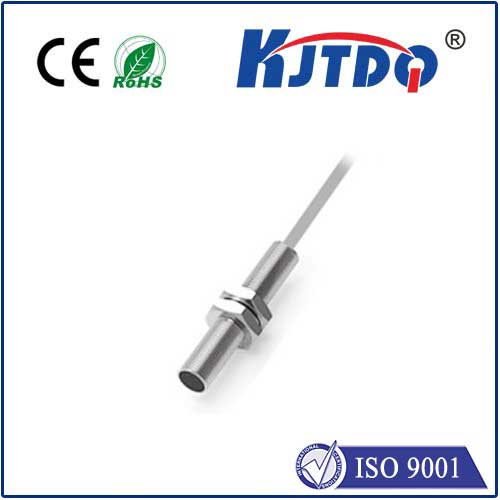
The core challenge in high-pressure settings is the immense force exerted on equipment. Standard inductive or capacitive proximity sensors might have their housings compromised or their sensing fields distorted by the intense pressure, leading to false signals, premature failure, or even catastrophic leaks. The DW-AS-501-P20 is engineered from the ground up to withstand these forces. Its robust housing, typically constructed from high-grade stainless steel, is hermetically sealed to prevent media ingress. This construction allows it to operate seamlessly in environments where pressure can reach significant levels, often specified in its model designation (with "P20" likely indicating a pressure rating relevant to its design standard).
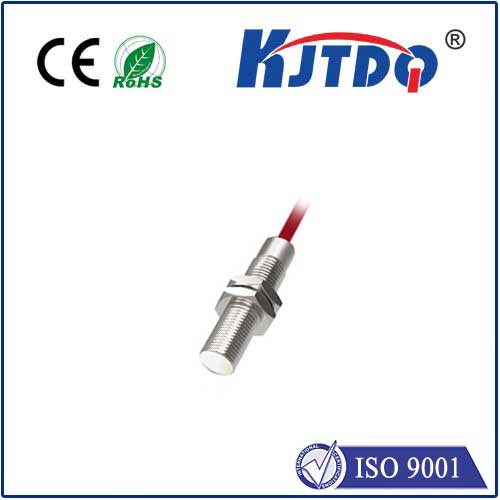
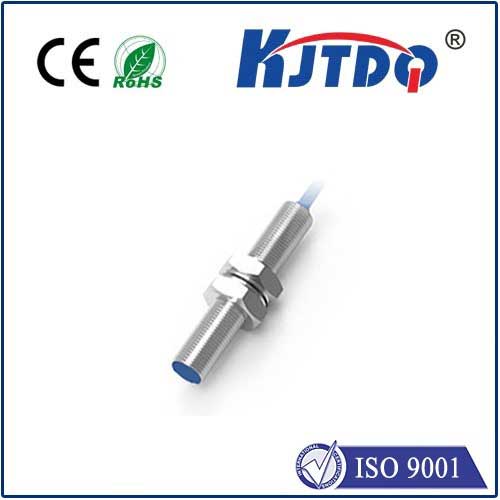
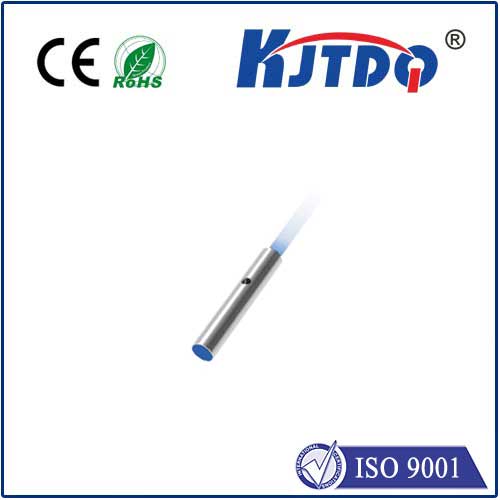
But what exactly does this sensor do? At its heart, the DW-AS-501-P20 is a non-contact sensing device. It detects the presence or absence of a metallic target—like a piston inside a hydraulic cylinder, a valve spool position, or a machine part—without any physical contact. This is typically achieved through an inductive sensing principle. The sensor generates an electromagnetic field. When a metallic object enters this field, it induces eddy currents within the target, which in turn dampens the oscillation in the sensor's circuit. This change is detected and converted into a clean, switch-like electrical signal (often PNP or NPN output). The "High Pressure" capability means this entire process remains stable and accurate even when the sensor body is submerged in or exposed to high-pressure oil, water, or other media.
The applications for such a robust sensor are vast and vital. In hydraulic systems, it is indispensable for end-position detection of cylinders in heavy machinery like excavators, presses, and injection molding machines. It ensures the cylinder stops precisely at the correct point, preventing damage from over-travel. Within the oil and gas industry, these sensors monitor valve positions on Christmas trees or within processing units, where reliability under high pressure is non-negotiable for safety. They are also found in high-pressure pumps, marine equipment, and test stands where conditions are too harsh for conventional sensors.
Selecting and installing the DW-AS-501-P20 requires attention to detail. Key specifications to verify include its pressure rating (ensuring it exceeds the maximum system pressure), the sensing distance, the type of electrical output, the operating voltage range, and its temperature tolerance. Proper installation is crucial; the sensor must be mounted securely using the correct threads (often metric like M12 or M18) with appropriate seals or gaskets to maintain its pressure integrity. The sensing face must be positioned correctly relative to the target, accounting for any recommended mounting flush or non-flush guidelines. Wiring should be done according to the datasheet, with cables often routed through sealed conduits to protect connections from environmental stress.
The benefits of deploying a purpose-built sensor like the DW-AS-501-P20 are clear. It dramatically reduces unplanned downtime by offering exceptional durability. Maintenance intervals are extended, as the sensor is less prone to failure from pressure shocks or media contamination. This reliability translates directly into cost savings by avoiding production halts and expensive repairs on larger systems. Furthermore, its precise detection enhances overall system control and safety, providing operators with confidence in the machine's feedback loops.
In conclusion, the DW-AS-501-P20 High Pressure Proximity Sensor is far more than just a component; it is a strategic asset for any operation facing demanding physical conditions. Its specialized design bridges the gap between the need for precise, non-contact detection and the unforgiving reality of high-pressure industrial environments. For engineers and maintenance professionals, understanding and utilizing this sensor means building systems that are not only smarter but also significantly more resilient and dependable over the long term.