Проверка
Проверка
Проверка
Проверка
Проверка
Проверка
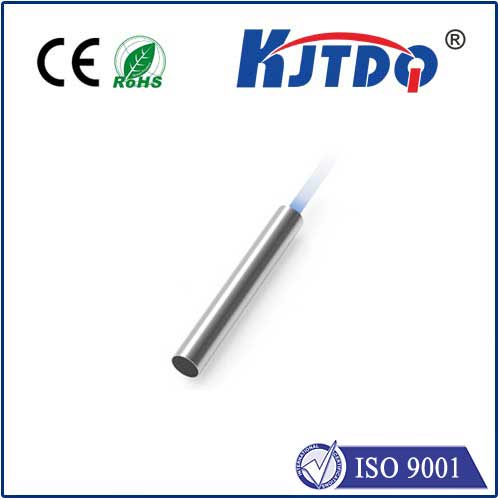
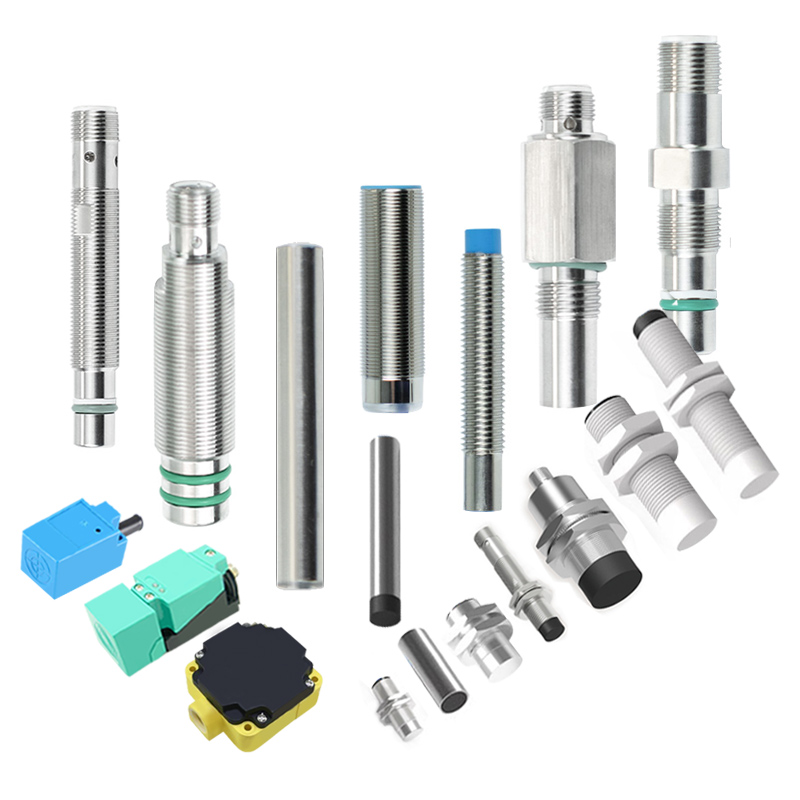
In the rigorous world of industrial automation, where high-pressure environments are commonplace, the reliability of every component is non-negotiable. Machine downtime due to sensor failure in these conditions is not just an inconvenience; it represents a significant financial loss and a potential safety hazard. This is where the BES 516-300-S262-S4-D High Pressure Proximity Sensor steps in, engineered to deliver unwavering performance where others falter. This sensor is not merely a component; it is a critical guardian of process integrity in sectors like hydraulic systems, heavy machinery, die-casting, and offshore operations.
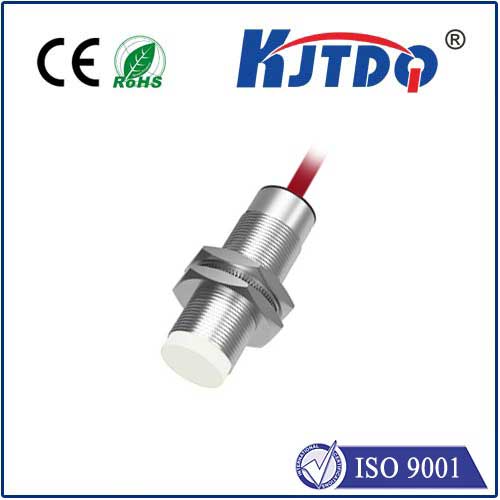
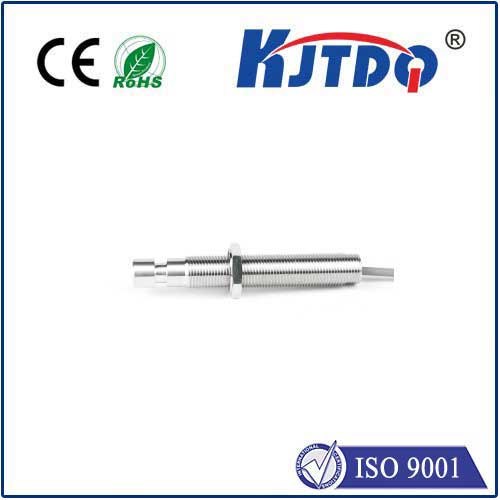
The defining challenge in high-pressure applications is the immense physical stress exerted on equipment. Standard inductive proximity sensors can succumb to housing deformation, seal failure, or internal damage when subjected to sustained high pressure, leading to false signals or complete breakdown. The BES 516-300-S262-S4-D is specifically designed to conquer this challenge. Its robust stainless-steel housing is engineered to withstand extreme pressure levels, ensuring the internal electronics remain completely isolated and protected from the external environment. This rugged construction guarantees that the sensor maintains its precise switching characteristics and long-term stability, even when immersed in high-pressure hydraulic fluids or exposed to the punishing forces inside a press.
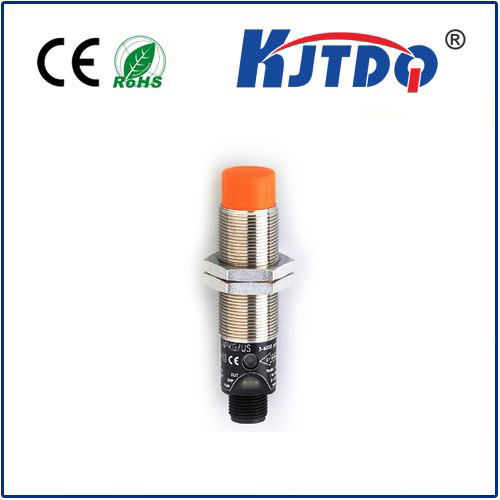
Beyond its pressure resistance, the model designation "BES 516-300-S262-S4-D" reveals a sensor tailored for optimal integration. The 300mm cable length (S262) provides flexible installation options in complex machinery layouts. The S4 design signifies a flush-mountable, cylindrical M30 housing, allowing it to be installed without a clearance zone, which is crucial in space-constrained or hazardous areas where protruding sensors could be damaged. The "D" output typically indicates a DC 3-wire configuration with normally open (NO) function, offering straightforward compatibility with standard programmable logic controllers (PLCs) and control systems. This combination of features ensures that the sensor is not only tough but also exceptionally easy to deploy and connect within an existing automation framework.
Performance specifications of the BES 516-300-S262-S4-D are what set it apart in its class. It offers a consistent switching distance, high switching frequency, and excellent repeat accuracy. This translates to precise detection of piston positions in hydraulic cylinders, reliable monitoring of valve actuation, or accurate counting of components in high-pressure molding processes. Its immunity to electromagnetic interference (EMI) and stability across a wide temperature range further enhance its reliability. By providing a consistent and accurate signal in conditions that would degrade ordinary sensors, it enables tighter process control, reduces waste, and prevents machinery from operating outside safe parameters.
The operational benefits of integrating this high-pressure proximity sensor are substantial. First and foremost is enhanced system reliability. By eliminating a common point of failure, maintenance intervals can be extended, and unplanned downtime is drastically reduced. This leads to higher overall equipment effectiveness (OEE) and lower total cost of ownership. Secondly, it bolsters safety. In high-pressure systems, a faulty sensor can lead to uncontrolled machine movements or process deviations. The robust design of the BES 516-300-S262-S4-D acts as a fail-safe, contributing to a safer working environment for personnel and protecting capital-intensive machinery from catastrophic damage.
Selecting the right sensor for a high-pressure application requires careful consideration. The BES 516-300-S262-S4-D is the definitive choice for engineers and plant managers who prioritize durability, precision, and long-term operational continuity. It represents a proactive investment in plant resilience. When the process demands unwavering detection under immense pressure, compromising on sensor quality is not an option. This sensor delivers the assurance needed to keep critical operations running smoothly, efficiently, and safely, day in and day out, proving itself as an indispensable asset in modern industrial automation.