Проверка
Проверка
Проверка
Проверка
Проверка
Проверка
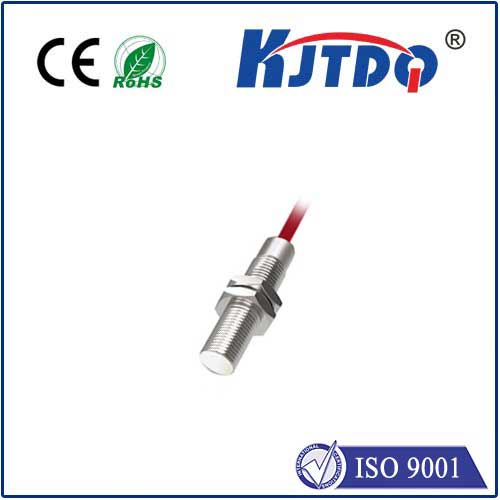
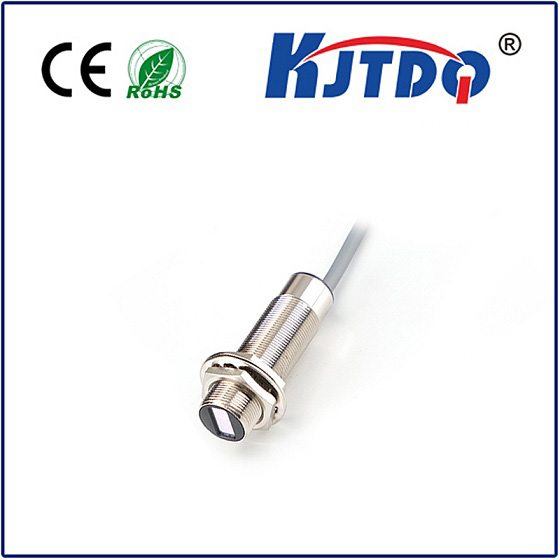
In industrial automation and machinery, reliable sensing under extreme conditions is non-negotiable. The BD3-P4-M14S High Pressure Proximity Sensor stands out as a critical component engineered for durability and precision in high-pressure environments. This sensor is specifically designed to operate flawlessly where standard sensors would fail, making it an indispensable tool for sectors like hydraulic systems, heavy machinery, press automation, and offshore equipment.
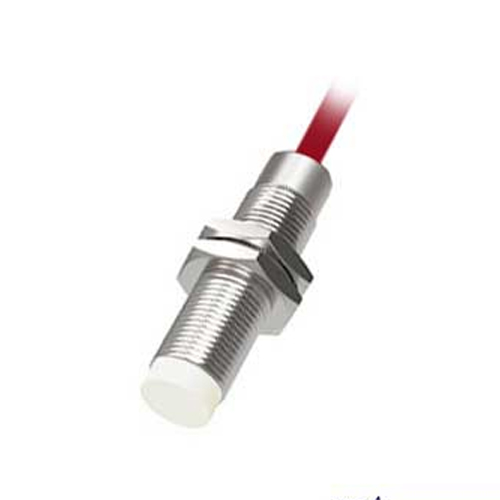
Constructed with a robust stainless-steel housing, the BD3-P4-M14S offers exceptional resistance to physical stress and corrosion. Its IP67 rating ensures protection against dust and temporary immersion, allowing it to perform in wet or oily conditions without compromise. The sensor utilizes an inductive sensing principle, providing non-contact detection of metallic targets. This design minimizes wear and tear, extending the sensor's operational lifespan significantly compared to mechanical switches.
One of the key features of the BD3-P4-M14S is its ability to withstand high pressure shocks and vibrations. In applications such as injection molding machines or hydraulic presses, where pressure spikes are common, this sensor maintains stable output and avoids false triggering. Its M14 threaded barrel allows for easy installation and secure mounting in tight spaces, facilitating integration into existing systems with minimal downtime.
The electrical performance is equally impressive. Operating on a standard DC voltage range, it provides a consistent switching signal with high repeat accuracy. The built-in LED status indicator offers immediate visual feedback for diagnostics, simplifying maintenance and troubleshooting processes. Engineers appreciate its compatibility with programmable logic controllers (PLCs) and industrial networks, enabling seamless data communication for process optimization.
From automotive manufacturing lines to steel processing plants, the BD3-P4-M14S enhances safety and efficiency. It ensures that machine components are correctly positioned before high-pressure cycles begin, preventing costly collisions and equipment damage. In fluid power systems, it monitors piston positions and valve states, contributing to precise control and energy savings.
Selecting the right sensor involves considering environmental factors and technical specifications. The BD3-P4-M14S is available in various sensing ranges and output configurations (e.g., NPN or PNP) to match specific application needs. Its high-temperature tolerance further broadens its suitability for foundries or engine compartments where ambient heat is a concern.
Regular calibration and adherence to installation guidelines are recommended to maximize performance. Users should verify mounting alignment and clean the sensing face periodically to avoid debris interference. With proper care, this sensor delivers long-term reliability, reducing replacement frequency and total cost of ownership.
In conclusion, the BD3-P4-M14S High Pressure Proximity Sensor represents a fusion of ruggedness and technological refinement. It addresses the core challenges of industrial sensing under duress, offering a solution that boosts productivity while safeguarding machinery. For industries prioritizing uptime and precision, investing in such robust sensing technology is a strategic move toward operational excellence.