Проверка
Проверка
Проверка
Проверка
Проверка
Проверка
In the complex and often unforgiving world of industrial automation, the reliability of individual components dictates the efficiency and safety of the entire system. Among these critical components, proximity sensors play a pivotal role in non-contact detection, ensuring seamless operations in machinery, robotics, and process control. When the application involves environments with exceptionally high pressures, the standard sensor simply will not suffice. This is where specialized solutions like the KGG18P3KN High Pressure Proximity Sensor come into play, engineered to deliver unwavering performance where others might fail.
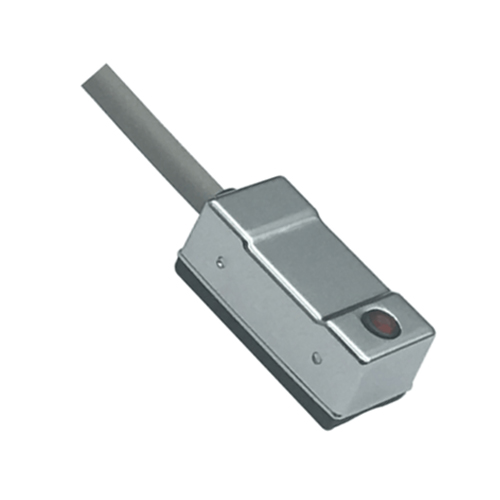
The KGG18P3KN is designed specifically for scenarios where sensors are exposed to significant external pressure, such as in hydraulic systems, deep-sea equipment, high-pressure cleaning machinery, or specialized manufacturing processes involving presses and molds. Its core construction is built to withstand these forces without compromising its sensing capabilities. The housing is typically crafted from high-grade stainless steel, offering exceptional resistance to mechanical stress and corrosion. This robust physical design ensures the sensor's integrity, preventing failure that could lead to costly downtime or safety hazards.
Beyond its rugged exterior, the KGG18P3KN incorporates advanced sensing technology. Utilizing an inductive operating principle, it reliably detects the presence of metallic targets without any physical contact. This non-contact method is crucial in high-pressure environments, as it eliminates points of wear and tear that mechanical switches would suffer from. The sensor offers consistent and repeatable switching points, providing accurate feedback to the control system regardless of the ambient pressure conditions. This precision is vital for maintaining tight tolerances in automated processes, where a millisecond of delay or a millimeter of inaccuracy can have significant repercussions.
A key feature of sensors like the KGG18P3KN is their impressive pressure rating. While exact specifications should always be verified with the manufacturer's datasheet, such sensors are commonly rated to withstand pressures far exceeding those found in standard industrial settings. This capability is achieved through meticulous sealing technologies and structural design that balances sensitivity with immense strength. Engineers and maintenance teams can integrate these sensors into systems with confidence, knowing they have a component rated for the specific environmental stresses of the application.
The benefits of implementing a high-pressure proximity sensor are manifold. First and foremost is enhanced system reliability. By choosing a sensor designed for the pressure extremes of the application, facilities drastically reduce the frequency of sensor-related failures. This translates directly into increased operational uptime and lower long-term maintenance costs. Secondly, it contributes to overall safety. In systems controlling high-pressure fluids or heavy machinery, reliable detection is a cornerstone of safety interlocks and emergency shutdown procedures. The robust nature of the KGG18P3KN helps ensure these protective measures function as intended.
Installation and integration of the KGG18P3KN are streamlined for industrial use. It often comes in standard form factors with common mounting options, such as threaded barrels, allowing for easy replacement or upgrade of existing sensors. Electrical connections are typically straightforward, with options for various output types (e.g., PNP, NPN) and cable or connector versions to suit different control cabinet requirements. This ease of integration minimizes installation time and helps get systems operational faster.
In conclusion, for applications where pressure is a constant and formidable factor, compromising on sensor quality is not an option. The KGG18P3KN High Pressure Proximity Sensor represents a category of industrial components where specialized engineering meets practical necessity. It provides the durability, accuracy, and reliability needed to maintain control and efficiency in the most demanding environments. When selecting components for high-pressure systems, specifying a purpose-built sensor like this is a strategic decision that safeguards productivity, protects capital investment, and upholds the highest standards of industrial operation.