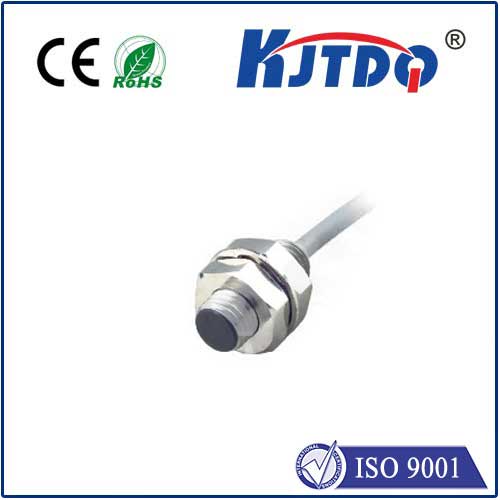
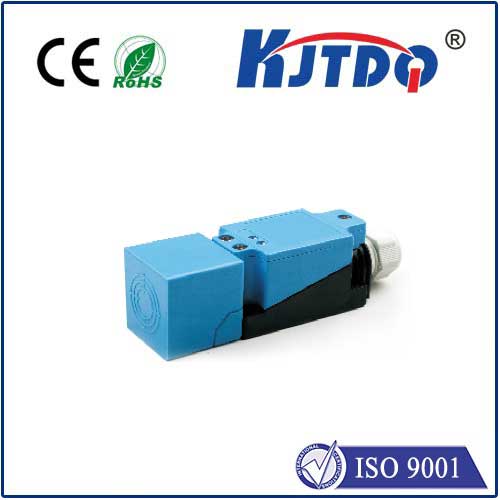
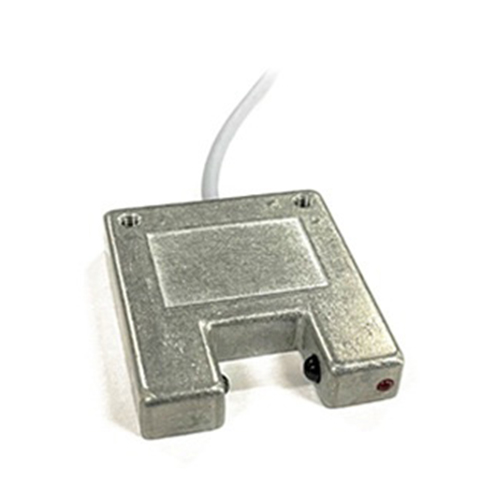
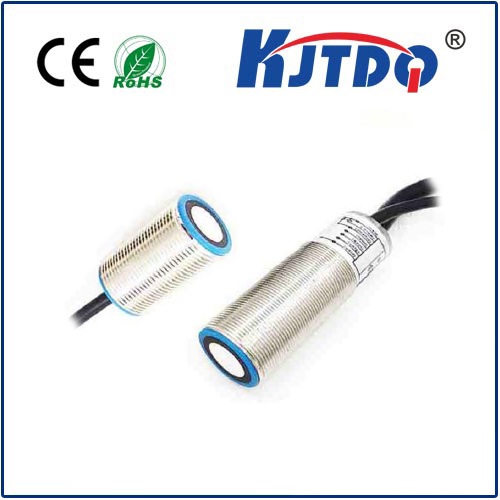
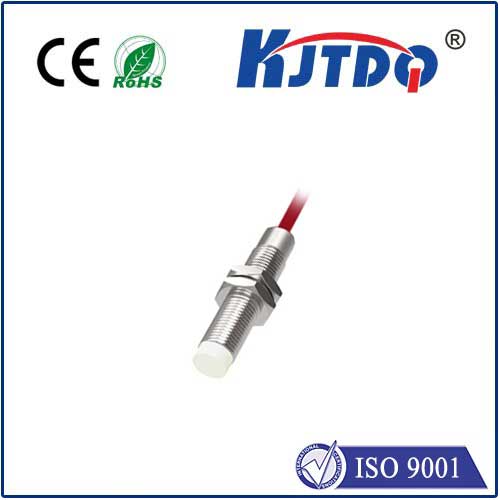
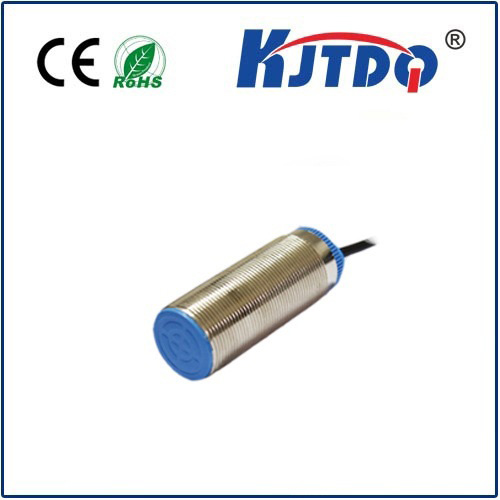
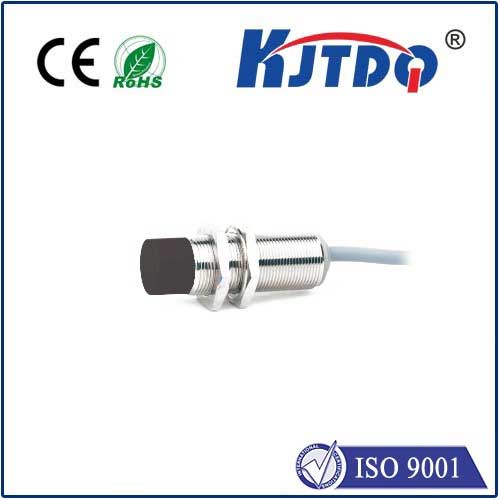
In the world of industrial automation, where machinery operates under extreme conditions, the reliability of every component is paramount. Among these critical components, proximity sensors play a vital role in detecting the presence or absence of objects without physical contact. However, not all environments are created equal. Applications involving high-pressure washdowns, hydraulic systems, or processes with significant pressure fluctuations demand a sensor built to withstand these specific challenges. This is where specialized solutions like the NCN25-30GM50-Z5-V1 High Pressure Proximity Sensor come into play, offering unparalleled durability and precision where standard sensors would fail.
The core challenge in high-pressure environments is the immense stress exerted on sensor housings and seals. Standard inductive proximity sensors might function initially, but constant exposure to high pressure can lead to seal failure, ingress of fluids or contaminants, and ultimately, sensor malfunction or catastrophic failure. This results in unplanned downtime, costly repairs, and potential safety hazards. The NCN25-30GM50-Z5-V1 is engineered from the ground up to counteract these forces. Its robust housing, typically constructed from high-grade stainless steel like V4A (AISI 316L), provides exceptional resistance to corrosion and mechanical deformation. The critical sealing technology is designed to maintain integrity even when subjected to sustained high-pressure sprays or immersion, ensuring the internal electronics remain completely protected.
Beyond mere survival, the sensor delivers consistent and accurate detection performance. Featuring a sensing range of up to 30mm, it reliably detects metallic targets in its vicinity. The "Z5" designation often indicates a flush-mountable design, allowing the sensor to be installed flush with a metal surface without losing its sensing capability. This design is crucial in high-pressure areas as it minimizes protrusions that could be damaged by impacting objects or high-velocity fluids. The electrical output, typically a PNP or NPN switching signal, provides a clear and stable signal to the connected programmable logic controller (PLC), ensuring seamless integration into complex control systems.
The application areas for such a rugged sensor are extensive. In the food and beverage industry, it is indispensable for machinery that undergoes frequent high-pressure, high-temperature cleaning cycles (CIP - Clean-in-Place). It can reliably monitor valve positions, detect product presence in fillers, or control actuator movements without succumbing to corrosive cleaning agents. Within hydraulic and pneumatic systems, the sensor can monitor piston position in cylinders operating at several hundred bar, providing critical feedback for precise motion control. In heavy machinery, such as construction or mining equipment, it can be used for position sensing on booms or buckets, enduring vibration, shock, and exposure to the elements.
Installation and maintenance are streamlined for operational efficiency. The sensor often comes with a pre-wired connector or a fixed cable with high-strain relief, simplifying the connection process and ensuring the cable entry point is as robust as the sensor itself. LED status indicators provide immediate visual confirmation of power and output state, facilitating quick troubleshooting. When selecting a sensor for a high-pressure application, key specifications to verify include the IP rating (Ingress Protection), which should be IP67, IP68, or IP69K for high-pressure washdown, the pressure rating of the housing itself, the operating temperature range, and the material compatibility with the surrounding media.
Choosing the NCN25-30GM50-Z5-V1 or a similar high-pressure rated proximity sensor is not merely a component selection; it is a strategic decision for operational resilience. It translates directly into reduced maintenance costs, increased machine availability, and enhanced process reliability. By investing in a sensor specifically designed to thrive under pressure, engineers and plant managers can build automation systems that are not only intelligent but also extraordinarily tough, capable of delivering peak performance in the most demanding industrial settings day after day. This focus on specialized durability ensures that the entire production line remains protected from the vulnerabilities associated with sensor failure in critical high-pressure zones.