Проверка
Проверка
Проверка
Проверка
Проверка
Проверка
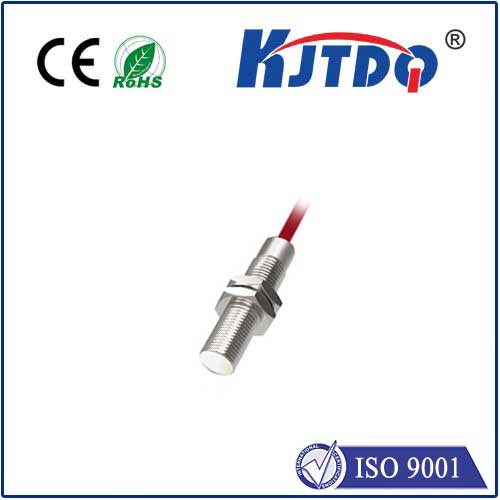
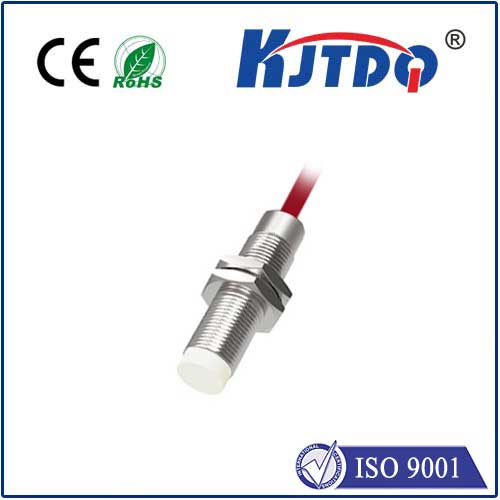
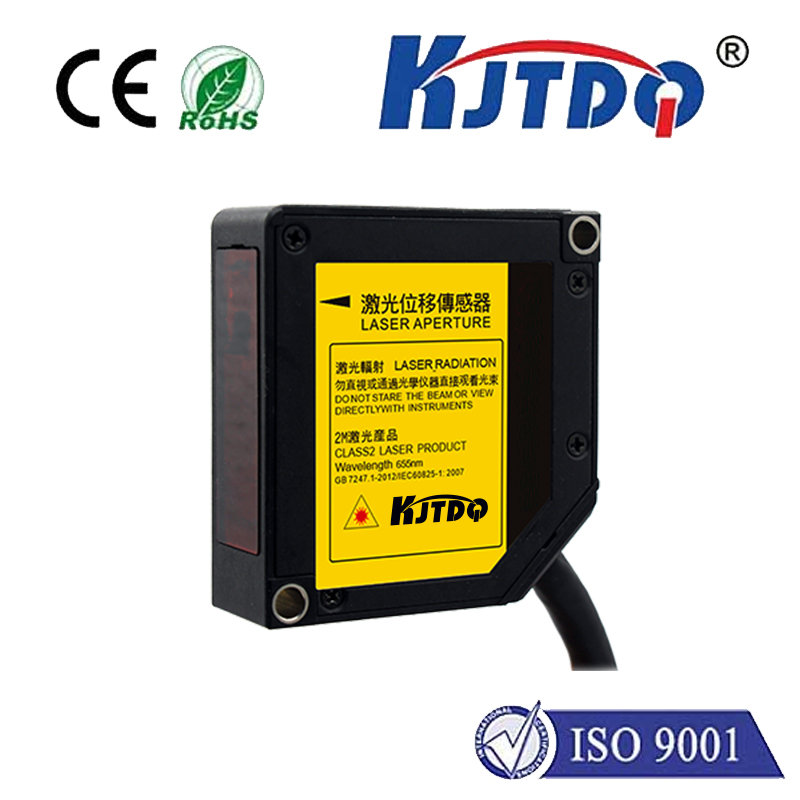
In the world of industrial automation, precision and reliability are non-negotiable. The E3FA-RN12 photoelectric switch stands as a testament to this principle, offering a robust sensing solution for a myriad of demanding applications. This diffuse-reflective sensor is engineered to detect objects without physical contact, ensuring longevity and reducing maintenance costs in complex systems. Its compact, cylindrical housing belies a powerful core capable of consistent performance even in challenging environments.
The operational principle of the E3FA-RN12 is elegantly straightforward. It emits a beam of modulated light from its integrated LED. When an object enters its sensing range, the light reflects off the object's surface and returns to the receiver within the same unit. The sensor's internal circuitry then processes this signal to trigger a solid-state output. This diffuse-reflective method eliminates the need for a separate reflector, simplifying installation and alignment. The "RN12" designation typically indicates specific characteristics, such as a 12mm diameter barrel and a standard sensing range optimized for close-proximity detection, often around 100mm, though exact specifications should always be verified with the manufacturer's datasheet.
One of the primary advantages of the E3FA-RN12 is its exceptional versatility. It is commonly deployed on production lines for detecting the presence, absence, or position of components, boxes, and bottles. In packaging machinery, it ensures correct product placement and count. Within material handling systems, it monitors conveyor belt flow and prevents jams. Its reliable operation makes it suitable for applications where color, material, or surface finish might vary, as it can be finely tuned to ignore background interference. The sensor is designed to resist common industrial nuisances like ambient light fluctuations and minor dust accumulation, thanks to its modulated light source and robust housing, which often meets IP67 ratings for dust and water ingress protection.
Installation and integration are remarkably user-friendly. The device typically features a pre-wired quick-disconnect cable or connector options for easy wiring. Alignment is intuitive due to its diffuse-reflective nature; users simply point the sensor at the target area. Many models include a visible red or green LED indicator for operational status and teach-in functionality for setting the sensing distance or sensitivity on the fly. This simplifies setup and reduces downtime during configuration changes. For integration into broader control systems, its output—usually a solid-state NPN or PNP transistor—interfaces seamlessly with programmable logic controllers (PLCs), relays, and other standard industrial control components.
When selecting a photoelectric sensor like the E3FA-RN12, several critical factors must be considered to ensure optimal performance. The sensing range must be appropriate for the application's working distance. The target object's properties—size, color, reflectivity, and material—directly influence detection reliability; a highly reflective target may be sensed at a greater distance than a dark, absorbent one. The operating environment is crucial; factors such as temperature extremes, humidity, vibration, and exposure to chemicals or washdowns dictate the required housing material and ingress protection rating. Electrical requirements, including supply voltage (commonly 10-30V DC) and output type, must match the control system's specifications. Finally, response time is vital for high-speed applications to ensure no fast-moving objects are missed.
Proper maintenance, though minimal, extends the sensor's service life significantly. Regular cleaning of the lens with a soft cloth prevents dust or grime from attenuating the light beam. Periodically verifying the alignment and sensing stability ensures continued accuracy, especially in environments subject to vibration. Checking electrical connections for corrosion or looseness prevents signal dropouts. Understanding the indicator lights is key to troubleshooting; a steady output LED might indicate normal operation, while a flashing light could signal a problem like a wiring error, power issue, or an object persistently in the sensing field.
In conclusion, the E3FA-RN12 photoelectric switch represents a cornerstone of modern industrial sensing. Its blend of simplicity, durability, and adaptability makes it an indispensable tool for engineers and technicians aiming to enhance automation efficiency, safety, and productivity. By understanding its capabilities and applying it correctly within a well-designed system, businesses can achieve a higher level of operational control and reliability, forming the backbone of intelligent, responsive manufacturing and logistics processes.