In the intricate world of industrial automation, the reliability of a single component can dictate the efficiency of an entire production line. Among the unsung heroes of this domain are photoelectric switches, and specifically, the GK18/59/161/166 series stands out as a benchmark for precision and durability. These devices are not merely sensors; they are the critical eyes of a machine, enabling non-contact detection, counting, positioning, and quality control across countless applications. This guide delves into the core features, operational principles, and practical applications of the GK18/59/161/166 photoelectric switches, providing essential insights for engineers and system integrators.
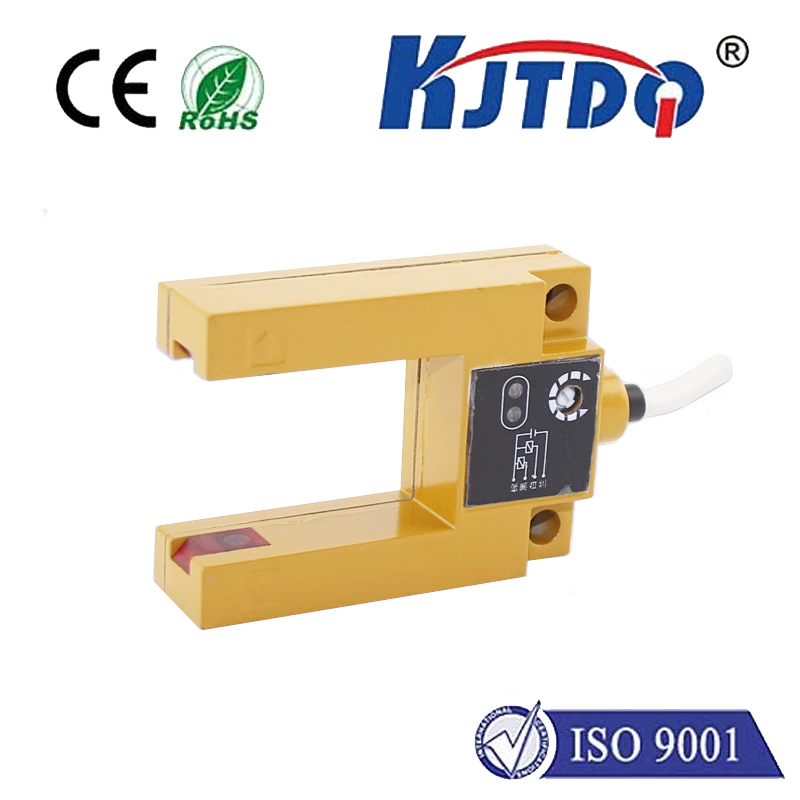
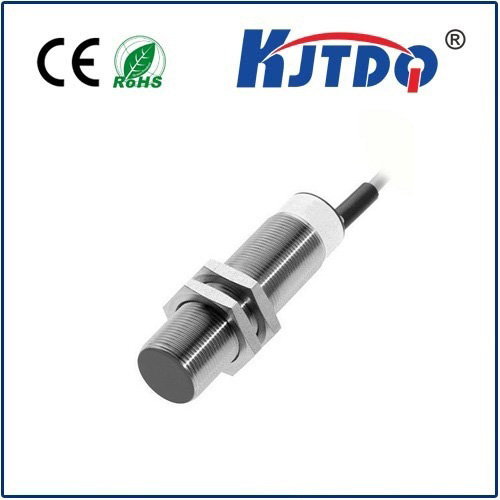
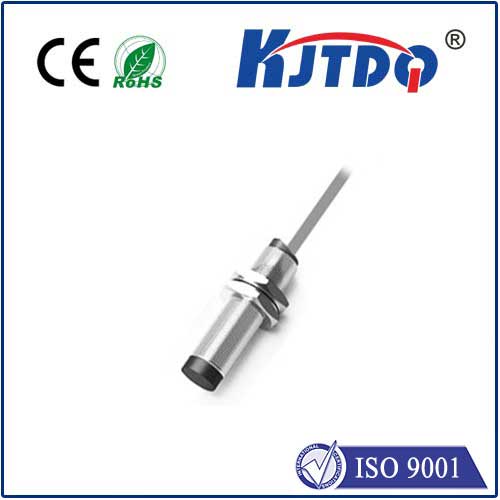
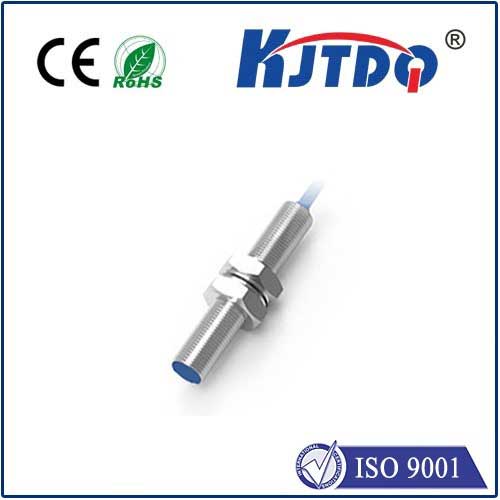
The GK18/59/161/166 series represents a family of through-beam photoelectric sensors. The fundamental principle is straightforward yet powerful: a transmitter emits a beam of light (typically infrared or visible red) which is received by a separate receiver unit. When an object interrupts this beam, the receiver detects the change in light intensity and triggers a switching signal. This through-beam design offers the longest sensing ranges and highest reliability in challenging environments, as it is less susceptible to the color, reflectivity, or surface finish of the target object. The "GK" designation often correlates with robust housing materials like nickel-plated brass or stainless steel, providing exceptional resistance to dust, moisture, and mechanical impact, meeting protection standards such as IP67.
Key specifications of the GK18/59/161/166 models typically include a sensing range that can extend up to several meters, a fast response time measured in milliseconds, and both light-on and dark-on operating modes for flexible integration into different control logic systems. They often feature a red LED light source for easy alignment and status indication. The precise model numbers (18, 59, 161, 166) usually denote variations in housing shape, thread size (common M18 or other metric threads), connection type (pre-wired cable or connector), and output configuration (NPN or PNP transistor outputs). Selecting the correct variant is crucial for seamless compatibility with your PLC or control system.
The applications for these robust sensors are vast and varied. In material handling and packaging, they are indispensable for detecting the presence of boxes on a conveyor, counting products, or ensuring correct bottle cap placement. Within the automotive industry, they perform precise positioning of robotic arms and verify part assembly. In woodworking and metalworking, they act as safety interlocks on machinery or control the length of materials being cut. Their immunity to ambient light and sturdy construction makes them ideal for outdoor use in agricultural equipment or for vehicle detection in parking systems.
Installation and alignment are critical steps for optimal performance. For through-beam types like the GK series, ensuring the transmitter and receiver are precisely opposite each other is paramount. Many models come with alignment indicators to simplify this process. Considerations for wiring involve correct voltage supply (commonly 10-30V DC) and proper connection of the output load. Regular maintenance, though minimal, should include keeping the lenses clean from dust, oil, or debris that could attenuate the light beam and cause false triggers.
When compared to other sensing technologies like inductive proximity sensors (which only detect metals) or capacitive sensors, photoelectric switches offer the distinct advantage of detecting virtually any material—plastic, glass, wood, or liquid. Among photoelectric types, the through-beam (GK series) provides superior range and reliability over reflective or diffuse models, though it requires two separate units to be mounted. The choice ultimately hinges on the specific application requirements regarding sensing distance, environmental conditions, target material, and required precision.
Troubleshooting common issues often involves a systematic approach. If a sensor fails to detect, verify the power supply and check for physical obstruction or misalignment of the optical axes. Persistent problems might stem from a dirty lens, electrical interference from nearby machinery, or an incompatible load on the output. Understanding the sensor's indicator LEDs is key to rapid diagnosis.
In conclusion, the GK18/59/161/166 photoelectric switch series embodies a perfect blend of ruggedness, precision, and versatility. For engineers seeking a dependable solution for non-contact sensing in demanding industrial environments, this family of sensors offers a proven and reliable choice. By understanding their specifications, correct application, and installation practices, you can leverage these components to enhance system reliability, improve safety, and boost overall operational efficiency on the factory floor.