Проверка
Проверка
Проверка
Проверка
Проверка
Проверка
In the fast-paced world of industrial automation, precision, reliability, and durability are non-negotiable. The GGF-LX09-3M photoelectric switch stands as a cornerstone component, engineered to meet the rigorous demands of modern manufacturing and control systems. This device exemplifies the seamless integration of advanced optoelectronic technology into practical, robust sensing solutions.
At its core, the GGF-LX09-3M is a through-beam photoelectric sensor. It operates on a fundamental principle: a transmitter emits a beam of light, typically infrared or visible LED, which is then received by a separate receiver unit. An object is detected when it interrupts this light beam. This simple yet highly effective method allows for non-contact detection over considerable distances, with the 3-meter sensing range of this model being a key feature for applications requiring longer reach.
The construction of the GGF-LX09-3M is tailored for industrial environments. It is housed in a rugged, often metal or high-grade polymer casing that provides excellent resistance to dust, moisture, and mechanical impact. Many variants come with an IP67 rating, meaning they are dust-tight and can withstand temporary immersion in water. This makes them perfectly suited for harsh settings like automotive assembly lines, packaging machinery, material handling systems, and woodworking plants. The device is designed for easy installation and alignment, often featuring built-in LED indicators for power and output status, which significantly simplifies setup and troubleshooting.
One of the primary advantages of the through-beam design is its high sensing accuracy and stability. Because it relies on a direct beam path, it is less susceptible to environmental interferences like background light, target surface color, or reflectivity compared to diffuse reflection sensors. This results in consistent and reliable object detection, which is critical for processes where a single missed or false detection can lead to production downtime, quality issues, or safety concerns. The GGF-LX09-3M typically offers a fast response time, enabling it to detect objects on high-speed conveyor belts with precision.
The electrical output of the sensor is another crucial aspect. The GGF-LX09-3M commonly provides a digital switch output, such as NPN or PNP transistor configurations, compatible with standard Programmable Logic Controllers (PLCs), relays, and other control circuitry. This plug-and-play compatibility ensures seamless integration into existing automation networks. Its ability to function consistently across a wide operating voltage range adds to its versatility and reliability in various electrical setups.
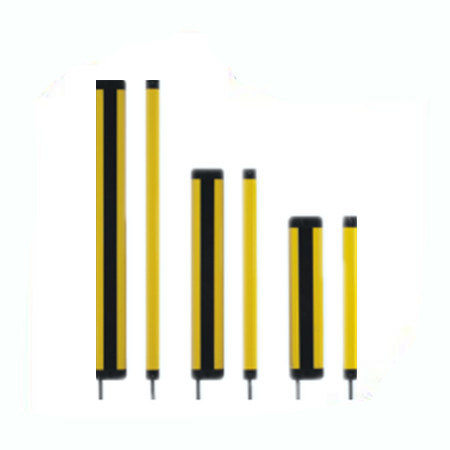
Applications for this photoelectric switch are vast and varied. In automated warehousing, it is used for pallet detection, box counting, and height control. In the food and beverage industry, it monitors bottle presence on filling lines. In automotive manufacturing, it ensures components are correctly positioned for robotic welding or assembly. The long 3-meter sensing distance is particularly beneficial for large machinery, safety curtains, or detecting oversized objects where other sensors might fall short.
When selecting a sensor like the GGF-LX09-3M, engineers consider several factors beyond just the sensing range. The light source type, beam pattern, response speed, and environmental ratings must align with the specific application's needs. Proper installation is also key; ensuring stable mounting and precise alignment between the transmitter and receiver is essential for optimal performance. Regular maintenance, such as cleaning the lenses to prevent dust buildup, helps maintain long-term reliability.
The evolution of photoelectric sensing continues, with trends leaning towards smarter sensors with IO-Link communication for diagnostics and parameter setting, and even more compact designs. However, the fundamental value proposition of robust, long-range through-beam sensors like the GGF-LX09-3M remains unchallenged for countless core industrial functions. It represents a proven, dependable technology that forms the invisible backbone of automated systems, ensuring smooth, efficient, and uninterrupted operation.
For system integrators and maintenance engineers, understanding the capabilities and correct application of this sensor is vital. It is not merely a component but a critical decision point that affects the entire system's performance. Choosing a well-made photoelectric switch translates directly into reduced downtime, lower maintenance costs, and enhanced overall productivity, making it a strategic investment in any industrial operation.