In the world of industrial automation and precision control, the reliability of a single component can dictate the efficiency of an entire system. Among the myriad of sensing devices available, the GGF-LX09-3M photoelectric switch stands out as a cornerstone for applications demanding unwavering accuracy and durability. This comprehensive guide delves into the core features, operational principles, and diverse applications of this pivotal device, providing essential insights for engineers, system integrators, and procurement specialists.
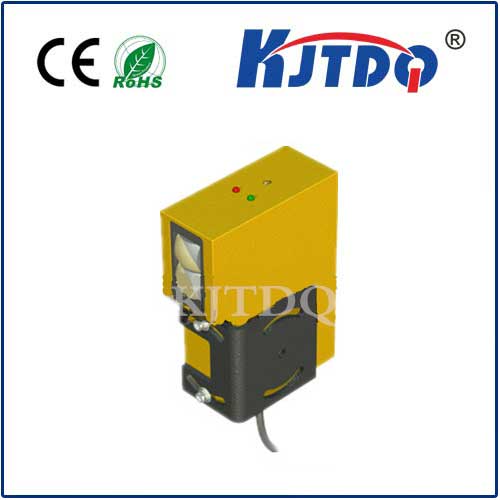
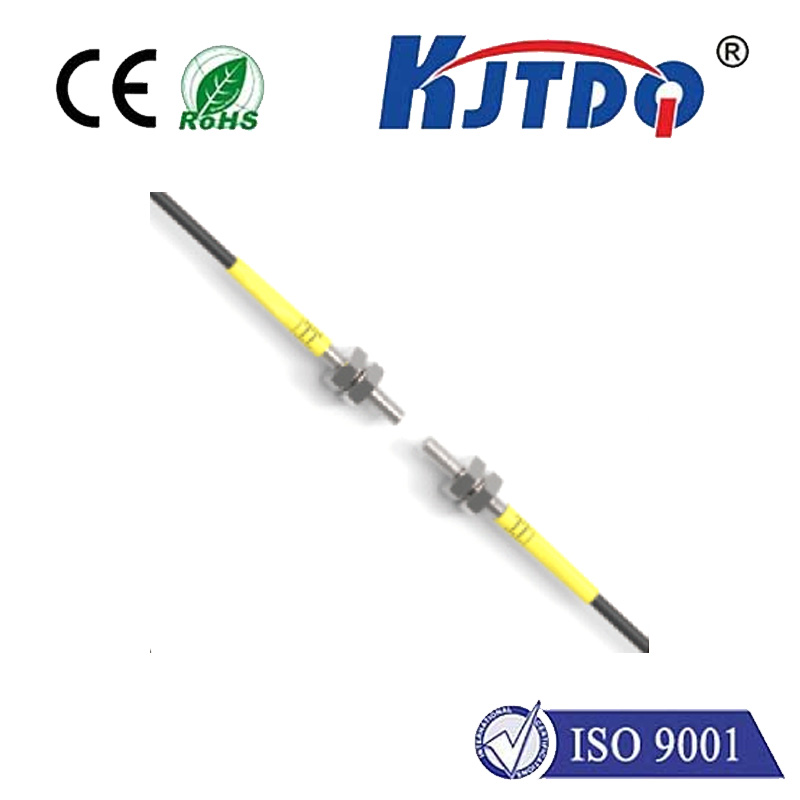
At its heart, the GGF-LX09-3M is a through-beam photoelectric sensor. This design employs a separate transmitter and receiver unit. The transmitter projects a focused beam of light—typically infrared or laser—across a designated path. The receiver, positioned directly opposite, continuously monitors this beam. When an object interrupts this light path, the receiver detects the change in light intensity, triggering an immediate output signal. This fundamental principle grants the GGF-LX09-3M a significant advantage: exceptional sensing range and high immunity to environmental interferences like dust, steam, or target object surface characteristics (color, texture, reflectivity). With a rated sensing distance of 3 meters, it is adept at monitoring large apertures, conveyor gaps, or providing long-range object detection where other sensor types might falter.
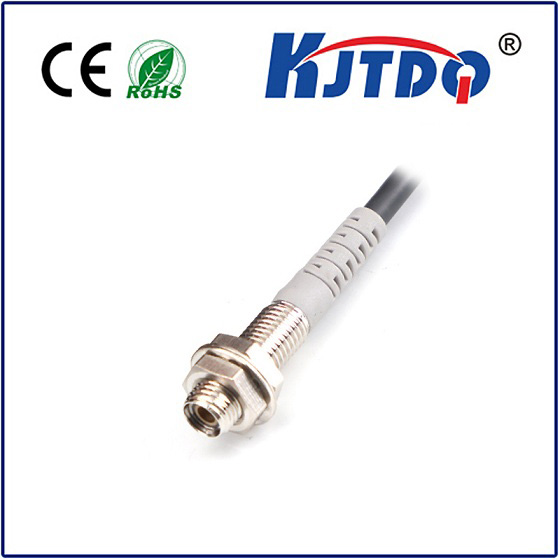
The construction of the GGF-LX09-3M is engineered for resilience. Housed in a robust casing, often rated with a high Ingress Protection (IP) code such as IP67, it is shielded against dust ingress and temporary immersion in water. This makes it perfectly suited for harsh environments commonly found in manufacturing plants, packaging lines, and outdoor logistics hubs. The device typically operates on a standard DC voltage range, ensuring easy integration into existing control panels. Its output is commonly in the form of a transistor (NPN or PNP) providing a clean, switch-like signal compatible with Programmable Logic Controllers (PLCs), counters, and relay modules. The inclusion of a clear LED indicator for power and output status allows for quick visual diagnostics during installation and troubleshooting, minimizing downtime.
Practical applications for the GGF-LX09-3M are vast and critical. In automated assembly lines, it serves as a precise object presence sensor, ensuring components are in the correct position before a robotic arm executes a weld or placement. Within packaging machinery, it accurately counts products passing on a high-speed conveyor, enabling precise batching and inventory control. In warehouse automation, these switches are deployed at the ends of roller conveyors to detect pallet presence, preventing collisions and coordinating sorting operations. A particularly vital use case is in safety systems, where a pair can create a safety light curtain at the entrance of a hazardous machine zone; any interruption of the beam immediately halts machine operation, protecting personnel.
Selecting and installing the GGF-LX09-3M requires attention to detail to unlock its full potential. Key specifications to verify include the operating voltage, output type (sourcing or sinking), and response time to ensure compatibility with the control system's speed. During installation, precise alignment of the transmitter and receiver is paramount for stable operation. Mounting brackets should be secure to prevent vibration-induced misalignment. For long-range setups, ensuring a clean optical path free from persistent obstructions or intense ambient light sources that could saturate the receiver is crucial. Regular maintenance involves simply keeping the lenses clean from dirt and grime to maintain optimal sensitivity.
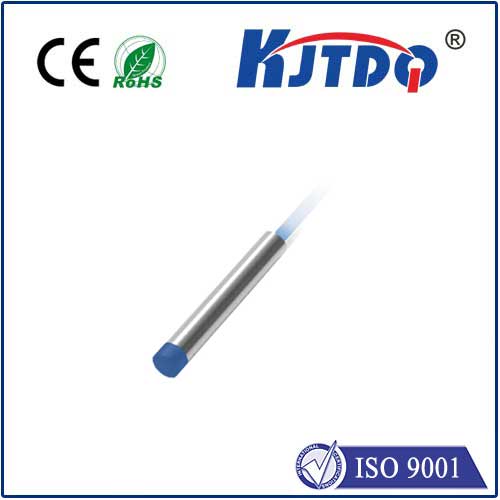
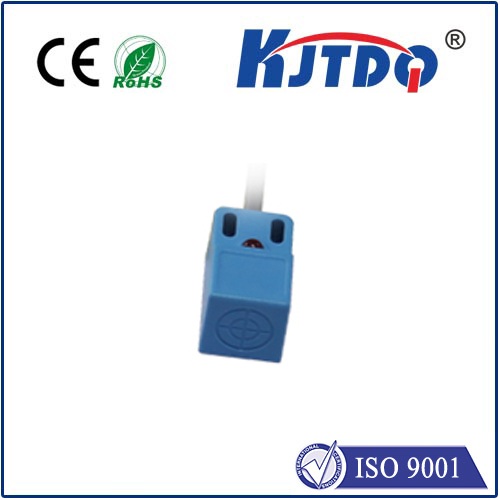
When compared to other sensing technologies like inductive proximity sensors (which only detect metals) or capacitive sensors (sensitive to material composition), the through-beam photoelectric switch offers unparalleled versatility for non-contact detection of virtually any material. Its primary consideration is the need for two mounting points and a clear line of sight. For scenarios where this is impractical, retro-reflective or diffuse-reflective models of photoelectric switches might be alternatives, though they generally offer shorter ranges and can be influenced by the object's surface properties.
In conclusion, the GGF-LX09-3M photoelectric switch represents a blend of robust engineering, precise optical sensing, and practical design. Its ability to provide reliable, long-distance detection across diverse materials and in challenging conditions makes it an indispensable tool in modern industrial automation. By understanding its operation, specifications, and ideal application scenarios, professionals can effectively leverage this device to enhance system reliability, improve safety protocols, and drive operational efficiency. For any project requiring dependable object detection, the GGF-LX09-3M emerges as a proven and trustworthy solution.