In the intricate world of industrial automation, the reliability of a single component can dictate the efficiency of an entire production line. Among the unsung heroes of this domain are photoelectric switches, and within this category, the GV18/25/103/115 series stands out as a benchmark for precision and durability. This guide delves into the core features, applications, and selection criteria for these versatile sensors, providing essential insights for engineers and procurement specialists.
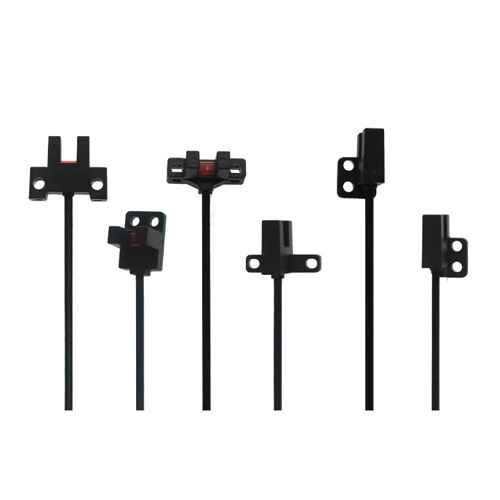
At its heart, a photoelectric switch operates by emitting a beam of light—typically infrared, red, or laser—and detecting its presence, absence, or reflection from a target object. The GV18/25/103/115 models are engineered to excel in this fundamental task across challenging environments. The numerical designations often refer to key specifications: housing size (like 18mm or 25mm cylindrical barrels), sensing range (such as 103 indicating a 10-meter range for some through-beam types), and specific output configurations (like 115 relating to a particular transistor output). This coding system allows for precise identification and selection based on mechanical and electrical needs.
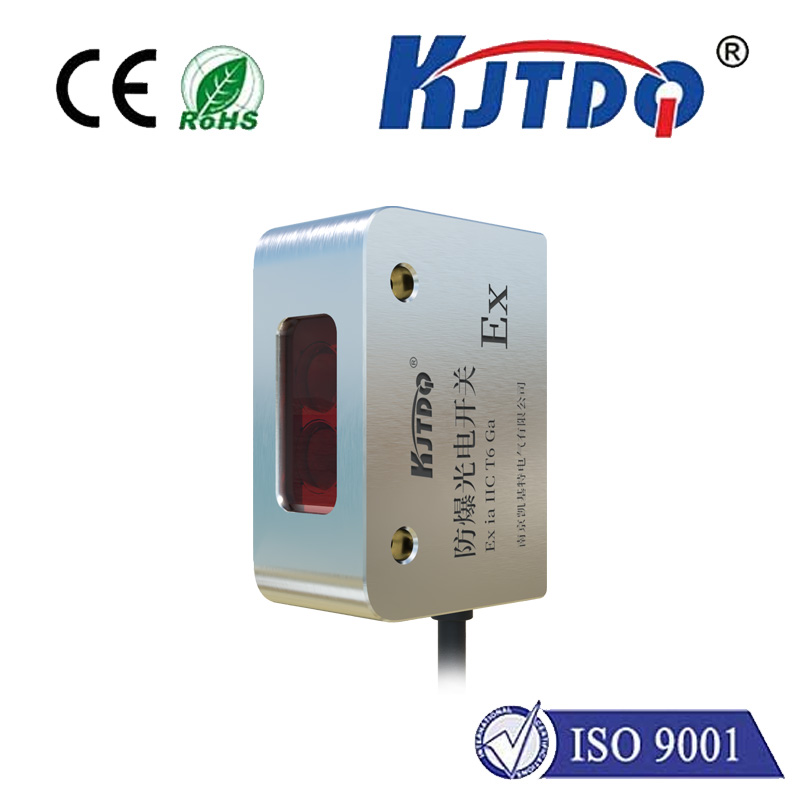
The primary advantage of the GV18/25/103/115 series lies in its robust construction and consistent performance. These sensors are typically housed in rugged, metallic or high-grade polymer casings rated for IP67 or higher, making them resistant to dust, water jets, and common industrial chemicals. This resilience ensures uninterrupted operation in settings like packaging machinery, automotive assembly, and material handling systems, where exposure to oil, coolant, and particulate matter is frequent.
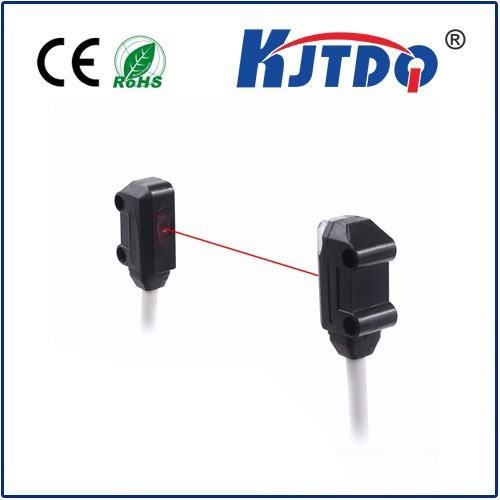
Different sensing modes cater to diverse application requirements. The through-beam type (likely implied in models with longer ranges like "103") offers the longest detection distance and highest reliability, as it uses separate emitter and receiver units. The beam interruption provides a clear signal, ideal for counting objects on a conveyor or ensuring proper positioning. Retro-reflective models, which bounce light off a reflector, simplify installation by requiring wiring on only one side, perfect for detecting objects on palletizers. Diffuse reflective sensors, where the switch detects light reflected directly from the target, are excellent for proximity sensing and color differentiation tasks, often found in bottling plants or robotic pick-and-place units.
When integrating a GV18/25/103/115 photoelectric switch, several technical parameters demand attention. The sensing range must be chosen with a safety margin to account for environmental factors like dust or target color variations. Response time is critical for high-speed production lines; these switches often feature millisecond-level response, ensuring no missed counts or triggers. Output type—be it NPN, PNP, or relay—must be compatible with the programmable logic controller (PLC) or control system in use. Additionally, features like built-in timers, teach-in functionality for easy range setting, and adjustable sensitivity via potentiometers add layers of flexibility for complex automation tasks.
Maintenance, though minimal, is key to longevity. Regular lens cleaning with a soft cloth prevents false triggers caused by dirt accumulation. Periodic checks of alignment, especially for through-beam and retro-reflective types, ensure the optical path remains unobstructed. Verifying the stability of the power supply and load connections can prevent premature failure. By adhering to these simple practices, the operational life of these photoelectric switches can be significantly extended, maximizing return on investment.
The selection process ultimately hinges on a clear understanding of the application. For detecting transparent bottles, a polarized retro-reflective sensor from this series might be necessary to ignore glossy surfaces. In high-ambient-light areas, a model with a modulated infrared LED prevents interference from sunlight or factory lighting. For food and beverage industries, specific variants with stainless steel housings and appropriate certifications are available. Consulting detailed datasheets for the exact GV18/25/103/115 model is indispensable, as even minor specification differences can impact performance.
In conclusion, the GV18/25/103/115 photoelectric switch series represents a fusion of mechanical robustness, optical precision, and electrical reliability. Its structured naming convention aids in pinpointing the ideal sensor for tasks ranging from simple object detection to complex positioning and quality control. By carefully matching the sensor's capabilities to the environmental and operational demands, engineers can build more resilient, efficient, and intelligent automated systems. As automation continues to evolve, such foundational components remain critical to achieving seamless, uninterrupted production flow and maintaining a competitive edge in manufacturing.