Проверка
Проверка
Проверка
Проверка
Проверка
Проверка
In the intricate world of industrial automation, the reliability of a single component can dictate the efficiency of an entire production line. Among the myriad of sensors available, the photoelectric switch stands as a cornerstone for non-contact detection. The RL36-3023PH model, in particular, has carved out a significant reputation for engineers and system integrators seeking dependable performance in demanding environments. This guide delves into the core aspects of this device, exploring its functionality, key advantages, and optimal application scenarios without resorting to technical hyperbole.
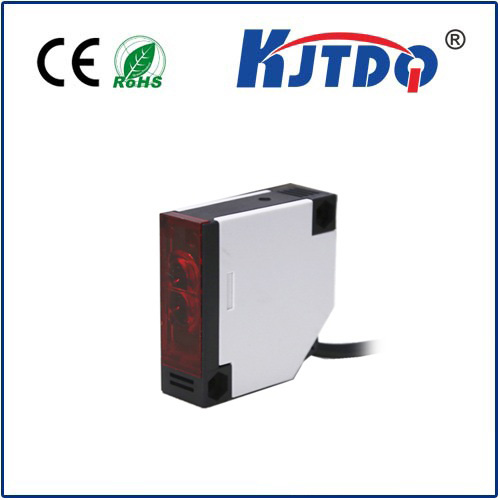
At its essence, the RL36-3023PH is a through-beam photoelectric sensor. This design employs a separate transmitter and receiver unit. The transmitter projects a focused beam of light—typically infrared or laser—directly towards the receiver. When an object passes between these two units, it interrupts this light beam. The receiver detects this interruption and triggers a switching signal. This fundamental principle offers distinct benefits, primarily exceptional sensing ranges and high immunity to environmental interferences like dust, steam, or target object color and surface finish. Unlike diffuse or reflective models, the through-beam design ensures that only a complete break in the beam path causes activation, leading to superior accuracy and consistency.
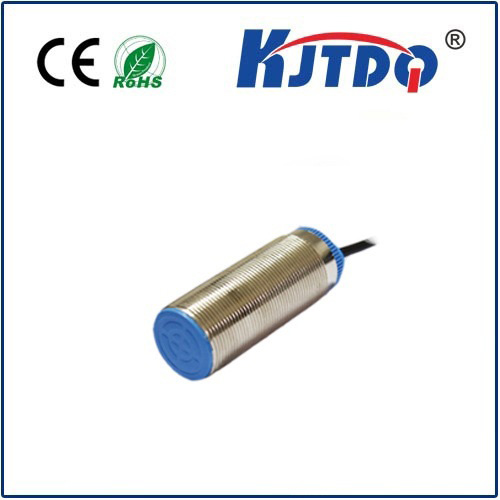
The designation "RL36-3023PH" itself encodes critical specifications. The housing is a robust, cylindrical form factor with a 36mm diameter, designed for easy mounting and durability. Key operational parameters include a specific sensing distance, which users must verify from the official datasheet for their exact model variant. It typically features a PNP output configuration (sourcing), a common standard that interfaces seamlessly with programmable logic controllers (PLCs) and other control systems. The "PH" suffix often indicates particular housing material or connector type specifications, emphasizing its suitability for various industrial settings.
The practical advantages of integrating the RL36-3023PH into a system are multifaceted. First and foremost is its unwavering reliability over long distances. It can detect objects reliably from several meters away, making it ideal for large machinery or conveyor systems. Secondly, its precision is noteworthy. The well-defined beam allows for the detection of very small objects or precise positioning tasks, minimizing false triggers. Furthermore, its operational stability is enhanced by insensitivity to the color, reflectivity, or surface angle of the target object. Whether detecting a transparent glass bottle, a matte black carton, or a shiny metal part, the sensor performs consistently, provided the object is opaque enough to break the beam.
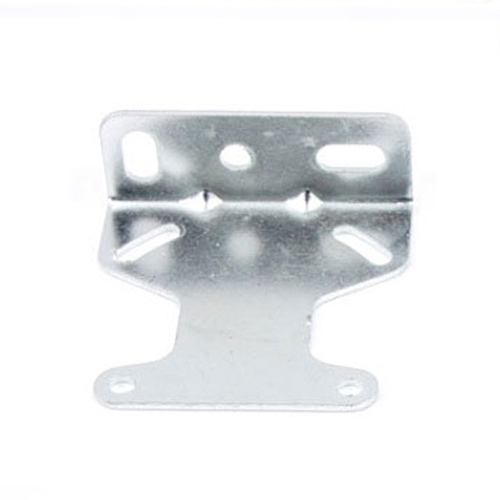
When considering implementation, several best practices ensure peak performance. Correct alignment between the transmitter and receiver is paramount; even a slight misalignment can lead to failure. Using mounting brackets designed for the 36mm diameter ensures physical stability and maintains alignment under vibration. Environmental factors, while less impactful than on other sensor types, should still be considered. Extreme ambient light, such as direct sunlight falling on the receiver lens, can potentially interfere. Protective shrouds or housings are recommended in such cases. Regular maintenance, primarily keeping the lenses clean from dust and grime, preserves the sensor's long-term sensitivity and reliability.
Typical application areas for the RL36-3023PH photoelectric switch are vast within automation. It is extensively used in packaging lines for detecting the presence or absence of products on high-speed conveyors. In material handling, it serves as a safety interlock or a counter for objects passing through a gateway. Automotive assembly lines utilize it for precise part positioning and robotic guidance. Furthermore, it finds use in warehouse automation for pallet detection and in the printing industry for paper break monitoring. Its versatility makes it a default choice for scenarios requiring robust, long-range, and object-agnostic detection.
Selecting the right sensor involves matching its specifications with the application's needs. For the RL36-3023PH, key factors to review are the required sensing distance, the response time needed for the application's speed, the power supply voltage (commonly 10-30V DC), and the output type (PNP/NPN, NO/NC). Consulting the manufacturer's detailed technical documentation is a non-negotiable step before integration. This ensures compatibility and prevents operational issues, safeguarding the investment in automation infrastructure.
In summary, the RL36-3023PH photoelectric switch represents a mature and highly effective solution for through-beam sensing challenges. Its design prioritizes accuracy, range, and environmental robustness, translating into dependable performance that system designers have relied upon for years. By understanding its operating principle, strengths, and correct installation practices, engineers can leverage this component to create more efficient, reliable, and intelligent automated systems, forming an invisible yet critical network that keeps modern industry in motion.