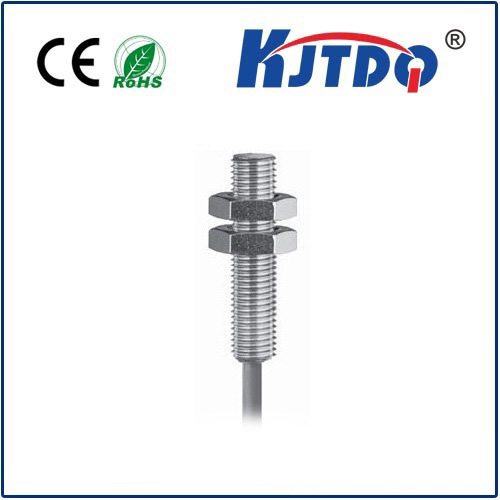
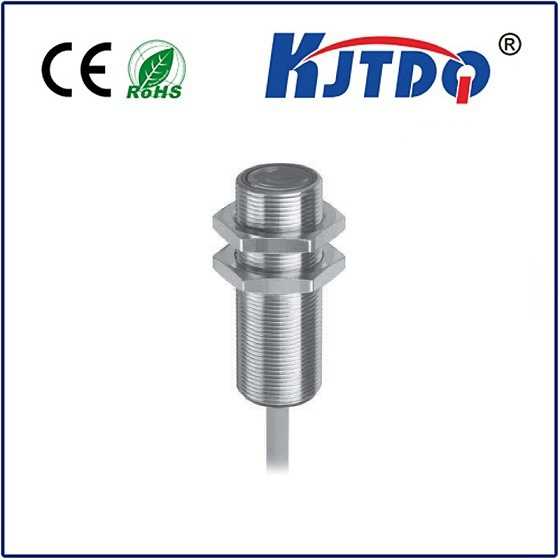
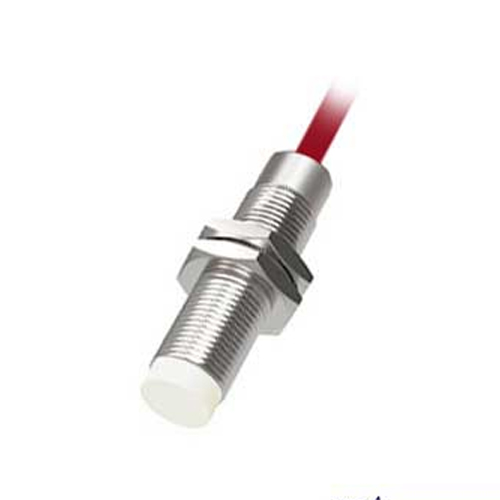
In the demanding world of industrial automation, precision, reliability, and durability are non-negotiable. The BB10-R/25/102/115e photoelectric switch stands as a testament to engineering excellence, designed to deliver consistent performance in even the most challenging environments. This sensor is a critical component for applications requiring accurate object detection, positioning, and counting across various manufacturing, packaging, and material handling systems.
The core of the BB10-R/25/102/115e's functionality lies in its advanced retro-reflective sensing principle. It emits a modulated infrared light beam towards a dedicated reflector. When an object interrupts this beam, the switch triggers a precise output signal. This design offers a significant advantage: it provides a longer sensing range compared to diffuse models while maintaining a simpler installation process than through-beam sensors, as it only requires wiring on one side. The specified sensing distance of up to several meters, depending on the model variant and reflector used, makes it versatile for diverse setups.
Engineered for resilience, the BB10-R/25/102/115e features a robust housing typically rated at IP67. This ingress protection rating signifies complete defense against dust and protection against temporary immersion in water. Whether exposed to airborne particulates, splashing coolants, or frequent washdowns, this sensor continues to operate flawlessly. Its construction can withstand typical industrial vibrations and minor impacts, ensuring a long service life and reducing maintenance downtime and replacement costs.
A key feature of this photoelectric switch is its stable detection capability, largely immune to the color or surface finish of the target object. Since it detects the interruption of light rather than relying on the reflectivity of the object's surface, it performs reliably whether detecting glossy metal sheets, matte cardboard boxes, or transparent plastic films. This object material independence is crucial for production lines with variable or mixed products. Furthermore, models like the BB10-R/25/102/115e often incorporate sophisticated optics and circuitry to minimize the effects of ambient light interference, guaranteeing a low false-trigger rate.
The electrical output is typically a solid-state NPN or PNP transistor, providing a fast switching signal compatible with standard programmable logic controllers (PLCs), frequency drives, and other control systems. Many versions include a visible LED indicator for operational status and alignment, simplifying commissioning and troubleshooting. The quick-disconnect M12 connector facilitates easy installation and replacement, streamlining system integration.
Practical applications for the BB10-R/25/102/115e are extensive. In packaging machinery, it ensures precise carton presence detection before sealing or labeling. On conveyor systems, it counts bottles, cans, or packages for inventory and batching. In automotive assembly, it verifies the presence of components on a moving pallet. It is also ideal for door and gate control, detecting the position of AGVs (Automated Guided Vehicles), and monitoring fill levels in bulk material handling by detecting the presence or absence of material at a chute or hopper.
Selecting the right sensor involves confirming parameters such as the required sensing distance, supply voltage (commonly 10-30V DC), output configuration, and housing style. The BB10-R/25/102/115e represents a specific configuration within a broader family, and consulting the manufacturer's datasheet is essential to match the exact model to the application's electrical and mechanical requirements. Proper installation is also critical; ensuring the sensor and reflector are aligned correctly and free from obstructions is vital for optimal performance.
For system integrators and plant engineers seeking a dependable sensing solution, the BB10-R/25/102/115e photoelectric switch offers a compelling blend of range, robustness, and reliability. Its design addresses the core needs of modern industrial automation: enhancing process accuracy, maximizing equipment uptime, and providing a durable solution that withstands the rigors of daily operation. By integrating such precise and rugged components, businesses can build more efficient, automated, and competitive production environments.