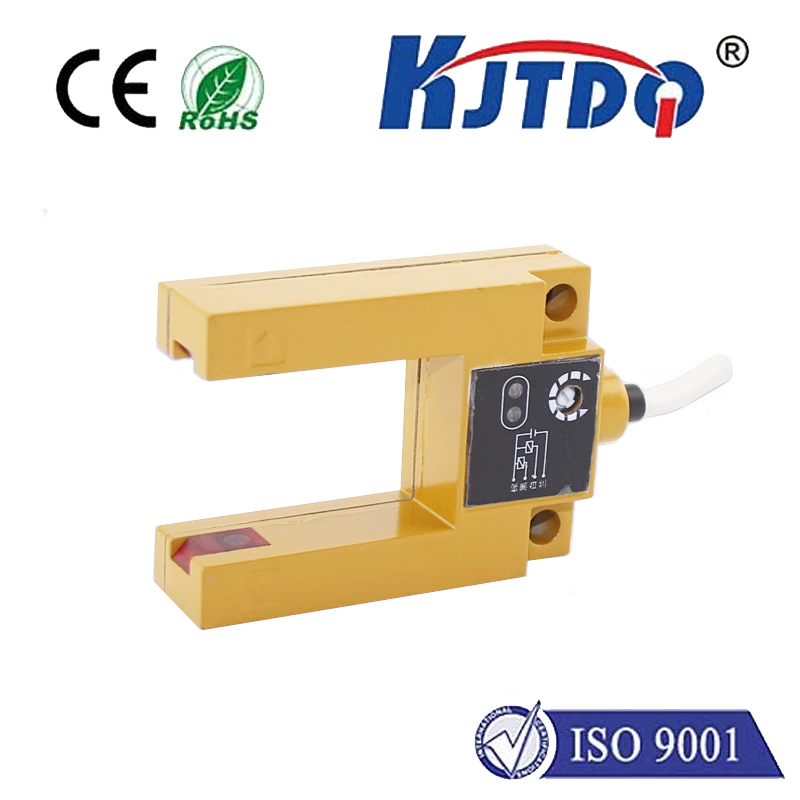
In the demanding world of industrial automation, the reliability of every component is paramount. Sensors form the critical link between the physical environment and the control system, and their performance directly impacts efficiency, safety, and uptime. Among the various sensing technologies available, photoelectric switches stand out for their versatility, non-contact operation, and precision. The BR20M-TDTD photoelectric switch represents a robust solution engineered to meet the rigorous challenges of modern manufacturing, logistics, and material handling applications.
The BR20M-TDTD is a diffuse reflective photoelectric sensor. This operating principle means the device houses both a light emitter and a receiver in a single, compact housing. The emitter projects a beam of modulated light—typically infrared or visible red—towards a target. When this light strikes an object within its sensing range, it is diffusely reflected back towards the sensor's receiver. The internal circuitry detects this returning light and triggers an output signal. This self-contained, through-beam-like operation simplifies installation, as only one device needs to be mounted and wired, unlike through-beam sensors which require separate emitter and receiver units positioned opposite each other.
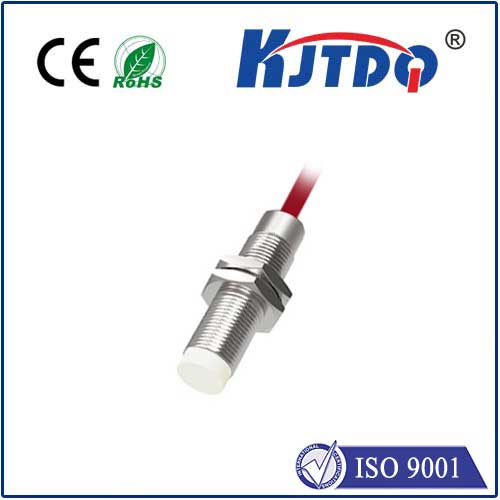
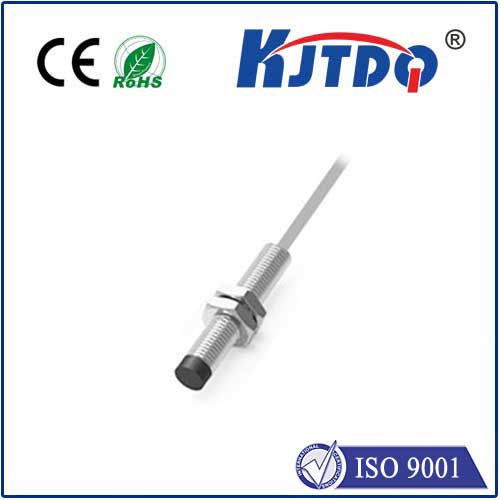
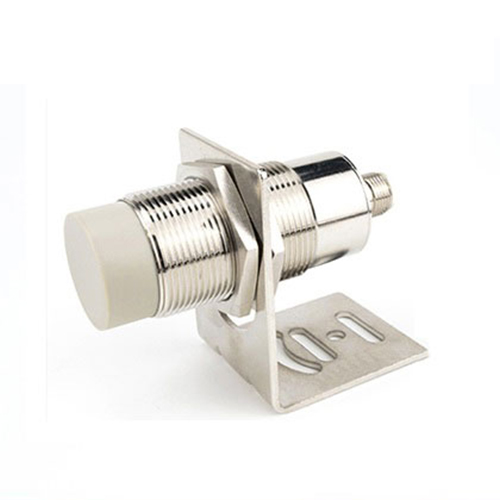
A key feature of the BR20M-TDTD is its through-beam detection technology (TDTD) design philosophy, which enhances its stability in challenging conditions. Advanced optical design and signal processing allow it to effectively distinguish the true target signal from background ambient light or reflections from shiny surfaces. This makes it exceptionally reliable for detecting objects of varying colors, textures, and reflectivity, reducing false triggers and improving system accuracy. The housing is typically constructed from durable, industrial-grade materials like nickel-plated brass or stainless steel, offering high resistance to corrosion, impacts, and environmental contaminants such as dust, oil, and coolants. Many models are built to meet IP67 or higher ingress protection ratings, ensuring reliable operation even when exposed to washdowns or outdoor conditions.
The applications for the BR20M-TDTD photoelectric switch are extensive across numerous sectors. In packaging lines, it accurately detects the presence of boxes, bottles, or cans on conveyors, controlling filling, capping, and labeling machines. Within automotive assembly, it verifies the position of components or confirms that a part is present before a robotic arm proceeds with its task. In warehouse automation, these sensors are indispensable for palletizing, sorting systems, and ensuring proper positioning on automated guided vehicles (AGVs). They are also commonly used for level detection in silos or bins, detecting the presence or absence of materials like granules, powders, or liquids.
When integrating the BR20M-TDTD into a system, several practical considerations ensure optimal performance. Correct mounting is fundamental; the sensor must be positioned at the recommended distance and angle relative to the target. Understanding the sensor's specified sensing range and accounting for factors like target color and size is crucial for reliable detection. The device typically features a potentiometer or teach-in function for easy adjustment of sensitivity, allowing fine-tuning to ignore background objects. Electrical connection is straightforward, with models available in various output configurations (e.g., NPN, PNP, NO, NC) to interface seamlessly with PLCs, relays, or other control devices. Regular maintenance, primarily involving keeping the lens clean from dirt and debris, is simple but essential for long-term, trouble-free operation.
Choosing the BR20M-TDTD photoelectric switch translates into tangible benefits for operational management. Its high reliability minimizes unplanned downtime caused by sensor failure, directly boosting production throughput. The non-contact sensing principle eliminates mechanical wear, leading to a significantly longer service life compared to mechanical limit switches. Enhanced detection accuracy improves product quality control and reduces waste from process errors. Furthermore, the simplified installation and reduced wiring requirements lower overall system integration time and cost.
In conclusion, for engineers and system integrators seeking a dependable, high-performance detection solution, the BR20M-TDTD photoelectric switch offers a compelling combination of durability, precision, and ease of use. Its ability to perform consistently in diverse and demanding industrial environments makes it a foundational component for building resilient and efficient automated systems. By ensuring precise object detection, it supports the seamless flow of operations that define modern industrial productivity.