In the demanding world of industrial automation, where hazardous environments are a constant reality, the choice of sensing technology is not merely about functionality—it’s a critical safety decision. Among the specialized solutions designed for such challenging conditions, the L36/LV36-Ex/40b/116 photoelectric switch stands out as a paragon of reliability and safety. This comprehensive guide delves into the features, applications, and vital importance of this intrinsically safe device, explaining why it is a cornerstone for operations in zones with potentially explosive atmospheres.
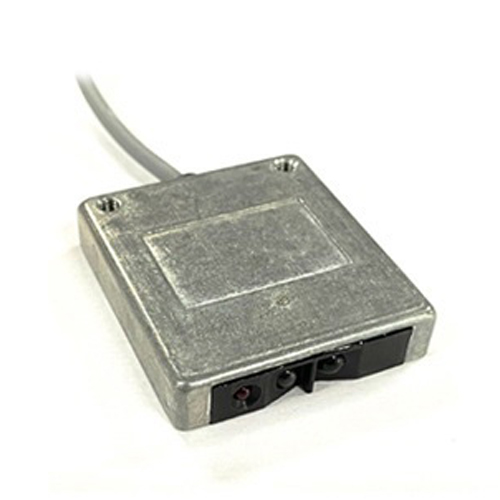
At its core, the L36/LV36-Ex/40b/116 is a precision-engineered photoelectric sensor. It operates on the fundamental principle of emitting a light beam—typically infrared or visible LED—and detecting changes in the received light to sense the presence, absence, or distance of an object. What distinguishes this model from standard photoelectric switches is its certification and design for intrinsic safety, denoted by the "Ex" in its nomenclature. The "40b/116" code refers to specific approval standards and housing dimensions, indicating compliance with stringent European (ATEX) directives for equipment used in explosive gas and dust atmospheres. Intrinsic safety is a protection concept that limits the electrical and thermal energy within the device to levels too low to ignite a specific hazardous atmospheric mixture, even under fault conditions.
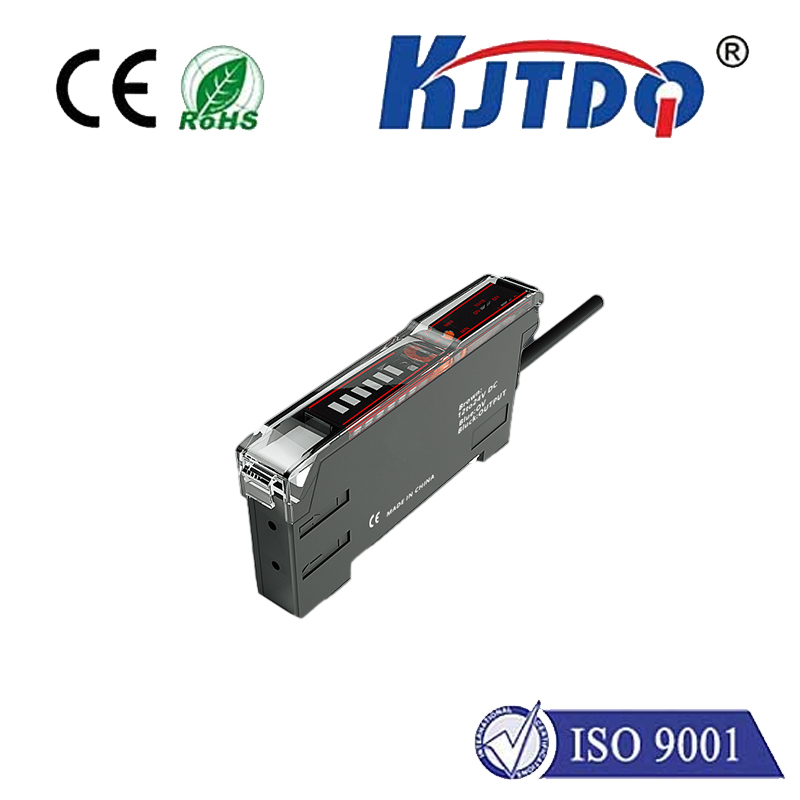
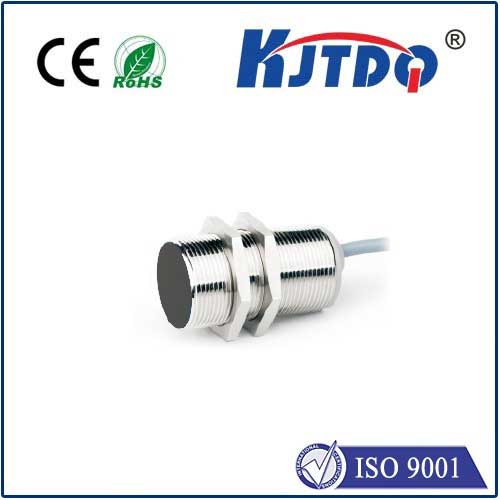
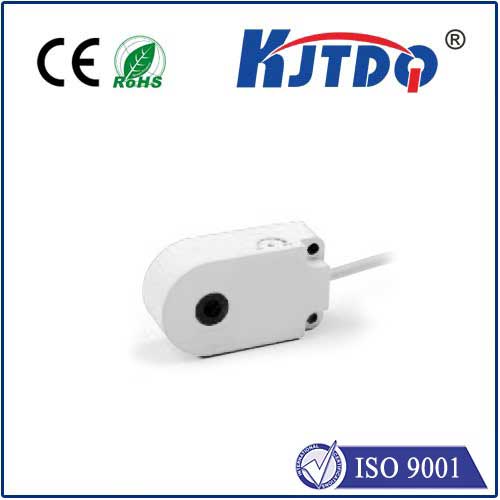
The construction of the L36/LV36-Ex variant is robust, typically housed in a stainless steel or high-grade polymer casing that offers resistance to corrosion, impacts, and environmental contaminants like dust and moisture. This durability ensures consistent performance in settings such as chemical processing plants, pharmaceutical manufacturing, grain silos, paint spray booths, and oil and gas refineries. The sensor is available in various sensing modes to suit diverse application needs: the through-beam type (L36-Ex) for long-range detection with a separate emitter and receiver, the retro-reflective type utilizing a reflector, and the diffuse reflective type (LV36-Ex) where the sensor detects light reflected directly from the target object.
One of the most significant advantages of the L36/LV36-Ex/40b/116 is its simplified installation and maintenance within hazardous areas. Because it is intrinsically safe, it can be installed, calibrated, and even serviced without the need for a hot work permit or complete power shutdowns in the classified zone, dramatically reducing downtime and operational risk. Its electrical parameters are carefully controlled, allowing it to be connected to associated apparatus located in the safe area via standard, cost-effective cabling, without requiring bulky explosion-proof enclosures.
Implementing this photoelectric switch brings transformative benefits to industrial operations. It provides non-contact, wear-free detection of objects ranging from transparent glass bottles to opaque metal parts, with high switching frequencies enabling use on fast-moving production lines. Its precision enhances process control, reduces material waste, and prevents equipment damage by ensuring correct object positioning. Most importantly, it forms a critical layer in a plant's overall safety instrumentation system, helping to automate processes in a manner that inherently minimizes ignition risks, protecting both personnel and capital assets.
When selecting and integrating the L36/LV36-Ex/40b/116, several factors require consideration. Engineers must verify the specific zone classification (Zone 1, Zone 2, etc.) for gas or dust and ensure the device's temperature class aligns with the auto-ignition temperatures of the substances present. Proper installation according to the manufacturer's guidelines, including correct grounding and the use of certified intrinsic safety barriers or isolators in the control circuit, is non-negotiable for maintaining the safety integrity. Regular functional testing is also recommended to ensure long-term reliability.
In conclusion, the L36/LV36-Ex/40b/116 photoelectric switch is far more than just a sensor; it is a meticulously designed safety component that enables advanced automation to thrive where it is needed most—in hazardous environments. By offering a blend of robust detection performance, operational flexibility, and paramount safety assurance, it empowers industries to achieve higher efficiency without compromising on their most fundamental obligation: the protection of their people and facilities. For any operation facing the challenge of automating within a classified area, this device represents a smart, compliant, and future-proof investment.