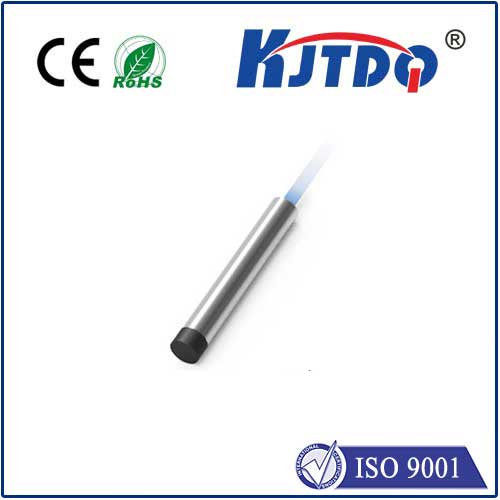
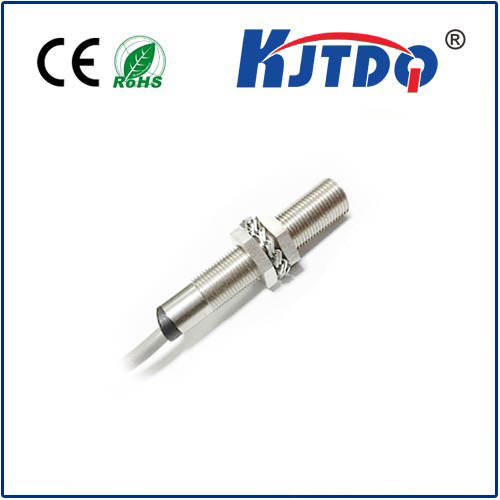
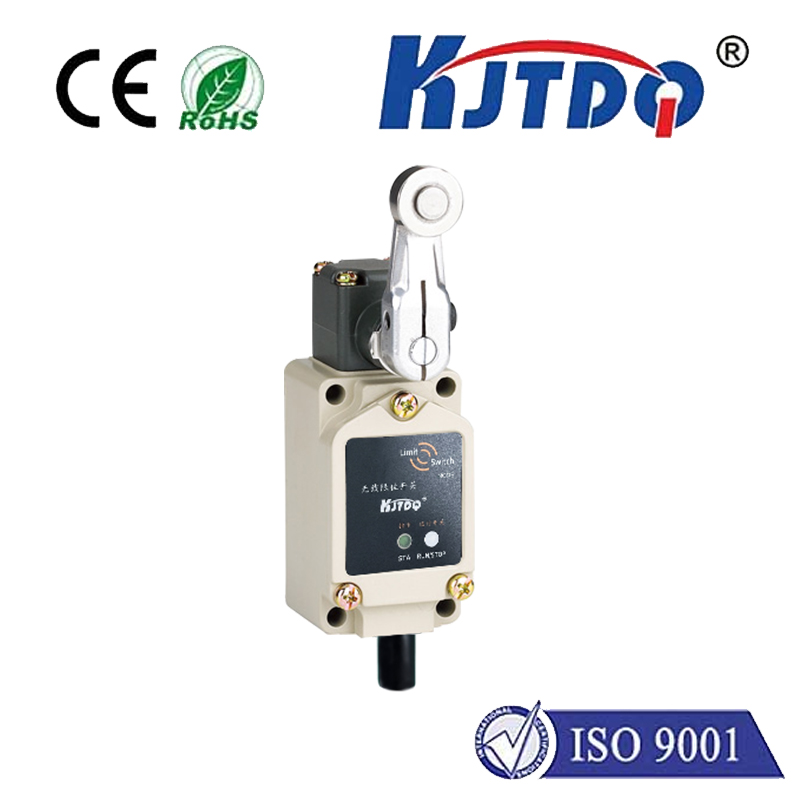
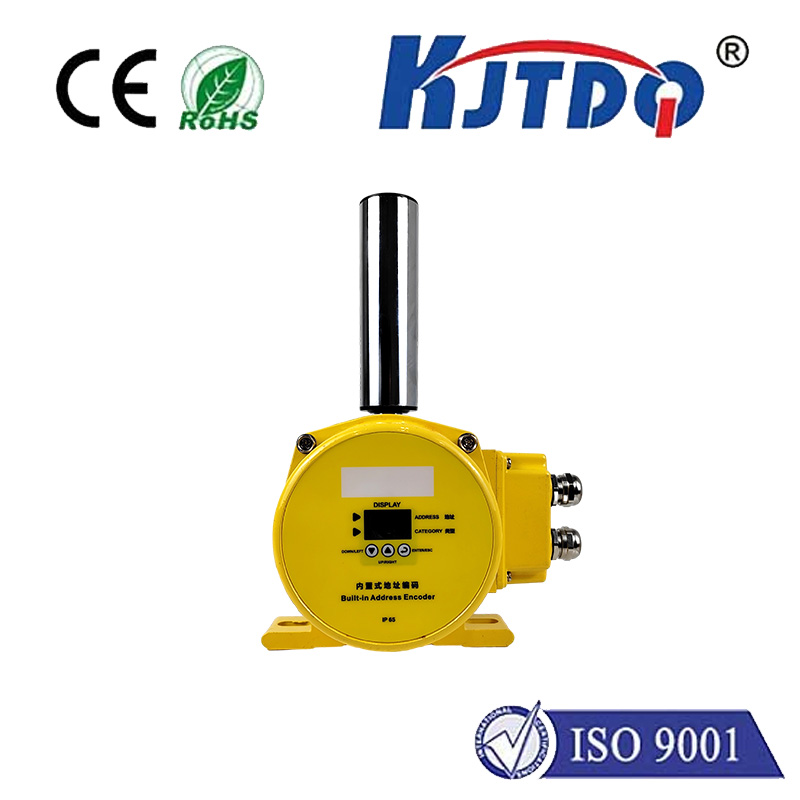
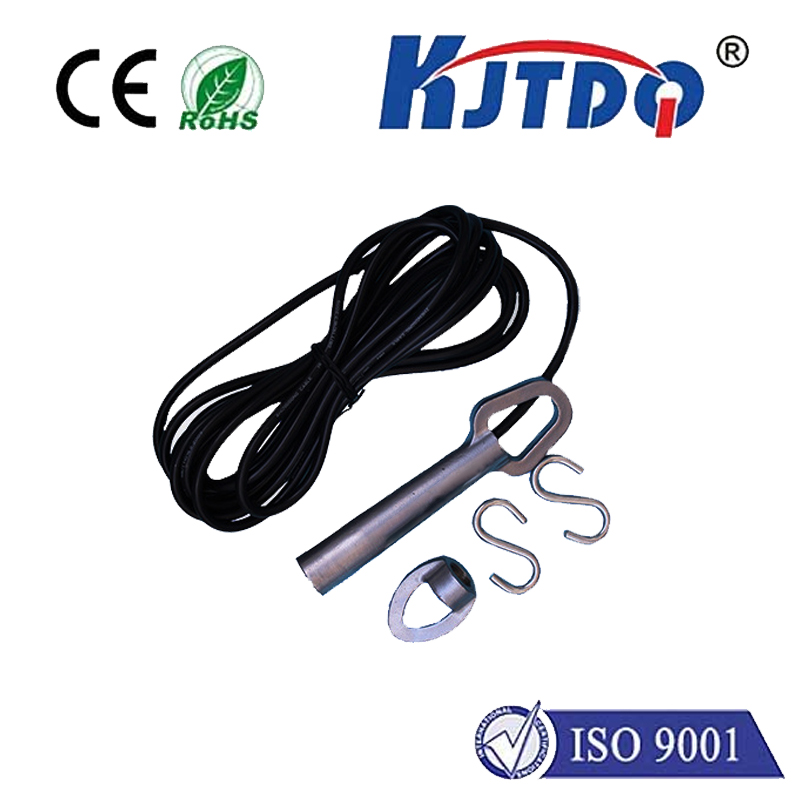
Photoelectric switches are essential components in modern industrial automation, offering non-contact detection capabilities for various applications. Among the popular models, the KS9, KSE9, 59, 102, and 115 series stand out for their reliability and versatility. These devices utilize light beams to detect objects, making them ideal for environments where physical contact is impractical or could cause damage.
The KS9 photoelectric switch is known for its compact design and high precision. It operates effectively in challenging conditions, providing stable performance even with dust or minor obstructions. Commonly used in packaging machinery and conveyor systems, the KS9 ensures accurate object detection without direct interaction. Its robust construction allows it to withstand vibrations and temperature fluctuations, making it a dependable choice for factories and warehouses.
Moving to the KSE9 model, this switch offers enhanced sensing distances and faster response times. It is particularly suited for high-speed production lines where quick detection is crucial. The KSE9 features adjustable sensitivity, allowing users to fine-tune it based on specific needs. Industries such as automotive manufacturing and electronics assembly benefit from its ability to detect small components with precision. Additionally, the KSE9 is designed for easy integration with existing control systems, reducing setup time and maintenance costs.
The 59 series photoelectric switches are valued for their durability and wide detection range. These switches can handle longer distances compared to standard models, making them suitable for large-scale operations. They are often employed in material handling, such as in logistics centers where boxes or pallets need to be tracked. The 59 series is built to resist environmental factors like moisture and corrosion, ensuring longevity in outdoor or harsh indoor settings.
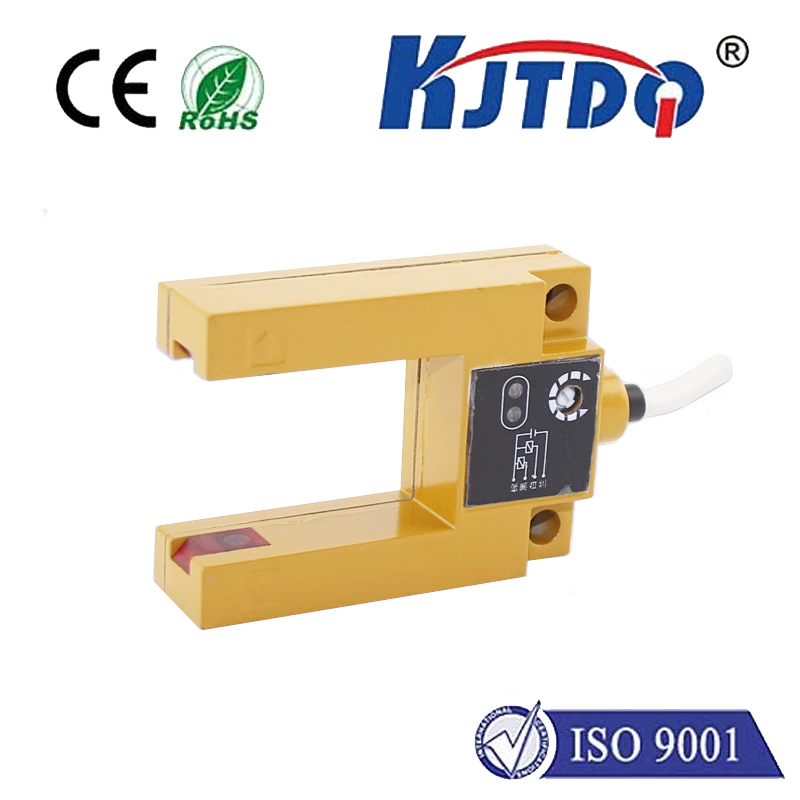
For applications requiring compactness without sacrificing performance, the 102 photoelectric switch is an excellent option. Its small size allows installation in tight spaces, while still delivering reliable detection. The 102 model is commonly found in robotic arms and automated guided vehicles (AGVs), where space constraints are a concern. It supports both diffuse and retro-reflective sensing modes, offering flexibility for different scenarios. Users appreciate its low power consumption and easy calibration, which contribute to energy efficiency and reduced downtime.
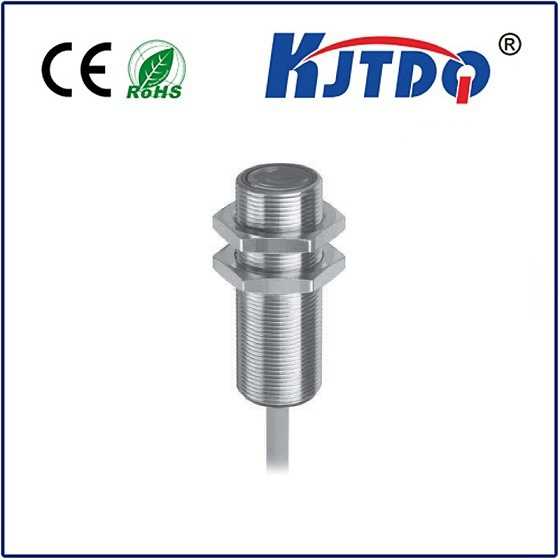
The 115 series photoelectric switches are designed for heavy-duty use, with a focus on robustness and accuracy. They excel in industries like mining, agriculture, and construction, where equipment faces extreme conditions. The 115 model can detect objects through dust, smoke, or light interference, thanks to advanced filtering technology. Its housing is typically made from rugged materials like stainless steel, providing protection against impacts and chemical exposure. This makes it a go-to solution for safety systems and process control in demanding environments.
When selecting a photoelectric switch, consider factors such as sensing distance, response time, and environmental resistance. The KS9, KSE9, 59, 102, and 115 series each have unique strengths, catering to diverse industrial needs. Proper installation and regular maintenance are key to maximizing their lifespan. For instance, keeping lenses clean and checking alignment can prevent false triggers. Many models also come with diagnostic indicators, simplifying troubleshooting and reducing operational disruptions.
In summary, photoelectric switches like the KS9, KSE9, 59, 102, and 115 play a vital role in enhancing automation efficiency. They enable precise object detection, improve safety, and support seamless operations across sectors. As technology advances, these devices continue to evolve, offering smarter features such as IoT connectivity for real-time monitoring. By understanding their specifications and applications, businesses can optimize their systems for better productivity and cost savings. Always refer to manufacturer guidelines for installation and usage to ensure optimal performance.