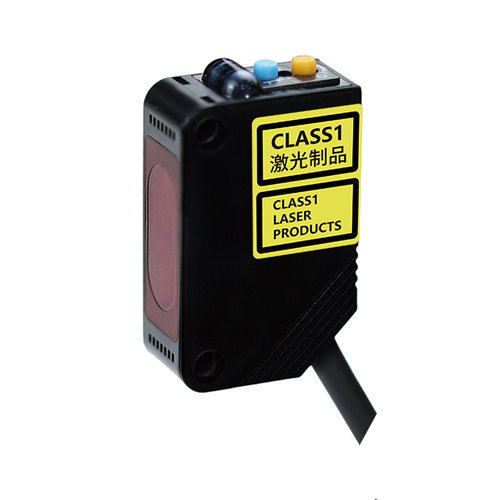
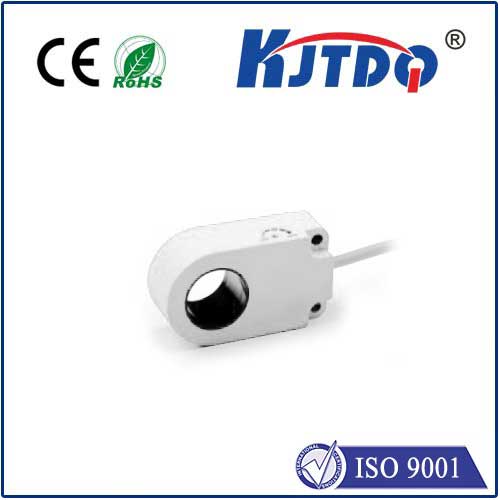
In the realm of industrial automation, the reliability and accuracy of sensing components are paramount. The E3Z-T81A-L photoelectric switch stands as a testament to engineering excellence, offering a robust solution for diverse detection applications. This through-beam type sensor is designed to deliver consistent performance in challenging environments, making it a preferred choice for engineers and system integrators worldwide.
The core functionality of the E3Z-T81A-L lies in its advanced photoelectric principle. It comprises a separate emitter and receiver unit. The emitter projects a focused beam of light, typically infrared or visible red, across a designated path. The receiver, positioned opposite, continuously monitors this light signal. When an object interrupts this beam, the receiver detects the absence or significant reduction of light, triggering a swift output signal change. This simple yet highly effective mechanism allows for non-contact detection of objects, regardless of their material composition—be it metal, plastic, wood, or glass—provided the object is opaque enough to break the beam. This makes it exceptionally versatile for production lines, packaging machinery, and material handling systems.
One of the defining features of the E3Z-T81A-L model is its impressive sensing distance. Capable of reliable detection over long ranges, it solves problems where objects need to be sensed from a distance or in setups where mounting the components far apart is necessary. The "L" in its designation often relates to specific characteristics such as lens type or connection style, which enhance its suitability for particular installations. Its housing is engineered to meet IP67 protection standards, ensuring resistance against dust ingress and temporary water immersion. This durability is crucial for operations in washdown areas, outdoor settings, or factories with significant particulate matter.
Installation and alignment are streamlined for efficiency. The units often feature built-in alignment indicators, such as stable LED lights that change state when the beam is properly received. This visual feedback eliminates guesswork during setup and maintenance. The stable output, typically in the form of an NPN or PNP transistor, integrates seamlessly with standard programmable logic controllers (PLCs) and other control systems. Furthermore, its design minimizes susceptibility to ambient light interference, a common challenge in photoelectric sensing, thereby reducing false triggers and enhancing overall system uptime.
Operational benefits extend beyond basic detection. The E3Z-T81A-L contributes to predictive maintenance strategies. Its consistent performance allows for the monitoring of process continuity; any unexpected interruption in the beam can signal a jam, misalignment, or shortage of parts, enabling immediate corrective action. This proactive approach prevents costly downtime and product waste. In high-speed applications, such as bottling lines or electronic component assembly, the sensor's fast response time ensures no object is missed, maintaining tight quality control and throughput targets.
Choosing the right sensor involves considering environmental factors. The E3Z-T81A-L performs optimally within its specified temperature and humidity ranges. For applications involving highly reflective or transparent objects, alternative sensing modes like diffuse-reflective or retro-reflective might be evaluated, but for straightforward, reliable beam-breaking detection across a gap, the through-beam design is unparalleled. Regular maintenance is minimal, usually involving lens cleaning to prevent buildup that could attenuate the light signal.
In conclusion, the E3Z-T81A-L photoelectric switch embodies a critical link in modern automated systems. Its precision, durability, and ease of integration address core operational needs across manufacturing, logistics, and beyond. By ensuring accurate object detection, it supports enhanced efficiency, safety, and productivity, forming an invisible yet indispensable guardrail for industrial processes. As automation evolves, components like this continue to provide the foundational reliability that smarter systems depend upon.