Проверка
Проверка
Проверка
Проверка
Проверка
Проверка
In the intricate world of industrial automation, precision and reliability are non-negotiable. The E60-20R2NH photoelectric switch stands as a testament to this principle, offering a robust solution for countless detection and control applications. This comprehensive guide delves into the core features, operational principles, and practical applications of this versatile sensor, providing engineers and technicians with the knowledge to optimize their systems.
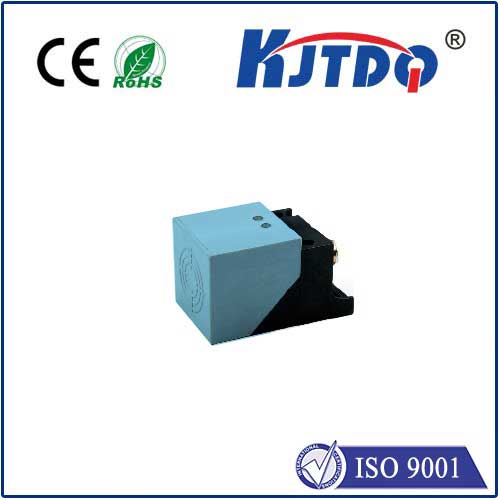
At its heart, the E60-20R2NH is a diffuse-reflective photoelectric sensor. It operates by emitting a beam of modulated infrared light from its integrated emitter. When this light strikes an object within its sensing range, a portion of the light is reflected back to the sensor's receiver. The internal circuitry then processes this signal to determine the object's presence. The "20" in its model number signifies a 2-meter standard sensing distance, making it suitable for a wide array of mid-range detection tasks. Its compact, cylindrical housing is built to withstand the rigors of industrial environments, typically featuring a robust IP67 rating for protection against dust and temporary water immersion.
One of the key advantages of the E60-20R2NH is its simplified installation and alignment process. Unlike through-beam sensors that require precise alignment of separate emitter and receiver units, this diffuse model houses both components in a single body. This design drastically reduces setup time and complexity. Furthermore, it incorporates advanced features like background suppression technology. This intelligent function allows the sensor to ignore objects beyond a set distance, effectively filtering out background interference such as conveyor belts or machine parts, thereby ensuring detection is only triggered by the target object at the desired position.
The applications for the E60-20R2NH are vast and varied across multiple industries. In packaging lines, it reliably detects the presence of boxes, bottles, or cans on a conveyor, triggering downstream processes like filling, capping, or labeling. Within the automotive sector, it is used for part verification, ensuring components are correctly positioned before assembly or robotic welding. In material handling, it monitors inventory levels by detecting the presence of items on shelves or in bins. Its robustness also makes it ideal for harsh environments, such as detecting lumber in sawmills or monitoring production in food and beverage plants, where resistance to washdowns is crucial.
Selecting and implementing the E60-20R2NH requires consideration of several factors. The target object's properties—its color, material, and surface finish—directly impact the sensor's performance. Light-colored, matte surfaces reflect light well, while dark or shiny objects may require sensitivity adjustment. The operating environment is equally important; factors like ambient light, dust, steam, or vibration must be accounted for. Proper mounting is essential to avoid false triggers from reflective backgrounds. Most models offer a potentiometer for fine-tuning sensitivity, allowing users to dial in the perfect setting for their specific application to achieve maximum reliability.
When compared to other sensing technologies like inductive proximity sensors or ultrasonic sensors, the E60-20R2NH offers distinct benefits. It can detect virtually any material, unlike inductive sensors that only sense metals. It provides faster response times and higher precision for small objects compared to ultrasonic sensors. For non-contact detection of non-metallic objects at a reasonable range with high speed and reliability, the diffuse photoelectric switch remains a superior and cost-effective choice. Its versatility and proven performance make it a fundamental component in building efficient, automated, and intelligent manufacturing and logistics systems.