Проверка
Проверка
Проверка
Проверка
Проверка
Проверка
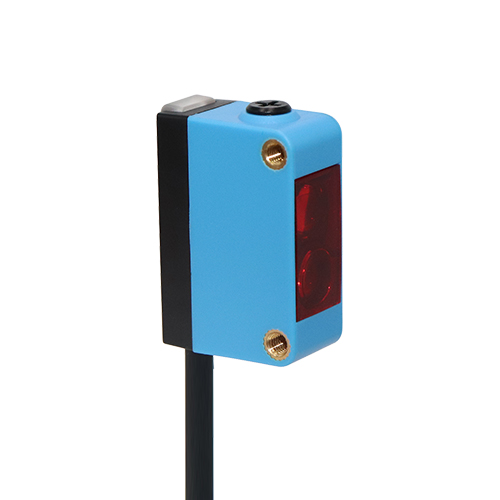
In the realm of industrial automation, the reliability and accuracy of sensing technology are paramount. The E3ZG-T61-S photoelectric switch stands as a testament to this principle, offering a robust solution for diverse detection applications. This through-beam type sensor is engineered to deliver consistent performance in challenging environments, making it a preferred choice for engineers and system integrators worldwide.
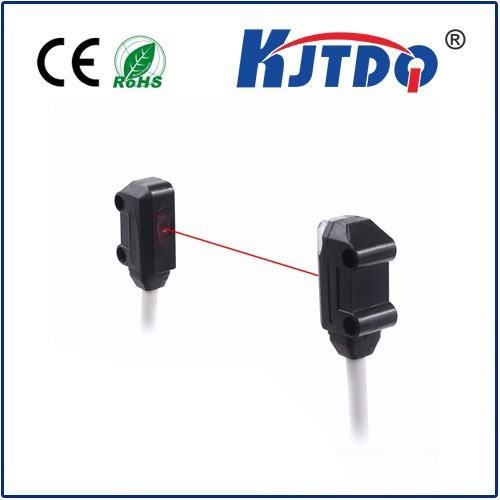
The core functionality of the E3ZG-T61-S lies in its through-beam design. It consists of two separate units: a transmitter and a receiver. The transmitter emits a focused beam of light, typically infrared or red visible light, which is then captured by the receiver. An object is detected when it interrupts this light beam. This method provides several distinct advantages, including a long sensing distance and high immunity to environmental factors such as target color, texture, or reflectivity. The "S" in the model name often denotes a specific feature set, such as a particular sensing distance or output configuration, which users must verify in the official datasheet for their specific unit.
One of the most compelling features of this photoelectric switch is its impressive sensing range. Capable of detecting objects over considerable distances, it eliminates the need for close proximity installation, thereby offering greater flexibility in machine design and layout. This extended range is crucial for applications involving large machinery or where safety distances must be maintained. Furthermore, the device is built to withstand the rigors of industrial settings. Its housing is typically constructed from durable materials like metal or high-grade plastic, offering resistance to dust, moisture, and mechanical impact. Many models come with an IP67 rating, ensuring protection against temporary immersion and dust ingress, which is vital for washdown environments in food processing or pharmaceutical industries.
The application spectrum for the E3ZG-T61-S is remarkably broad. In packaging lines, it ensures precise carton counting and verifies the presence of products before sealing. Within the automotive sector, it plays a critical role in robotic assembly, part positioning, and safety curtain monitoring. Material handling systems rely on such sensors for pallet detection, conveyor jam prevention, and height control. Its ability to function reliably regardless of the object's surface characteristics makes it ideal for detecting transparent materials like glass or plastic bottles, a task where other sensor types might fail.
Installation and alignment of a through-beam sensor are straightforward but require attention to detail. The transmitter and receiver must be precisely aligned to ensure an unobstructed path for the light beam. Mounting brackets and adjustable bases can greatly facilitate this process. Wiring is typically simple, involving connections to a power supply and the load (like a PLC input). The output is usually a solid-state NPN or PNP transistor, providing a fast and reliable switching signal. For optimal performance, it is essential to consider the operating environment. While the sensor is robust, excessive ambient light from sources like welding arcs or direct sunlight can potentially interfere with operation. Using sensors with modulated light (a pulsed beam) significantly enhances immunity to such optical noise. Regular maintenance involves keeping the lenses clean from dirt, dust, or oil buildup to maintain optimal sensing integrity.
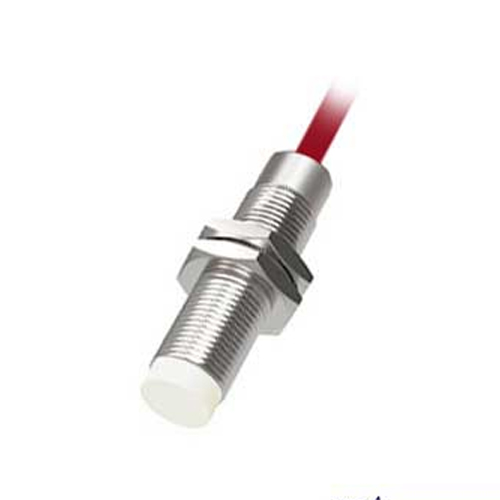
When selecting a photoelectric sensor like the E3ZG-T61-S, several factors must be evaluated. The required sensing distance is primary. Next, the size and nature of the target object determine the necessary beam diameter and response speed. The environmental conditions dictate the needed ingress protection rating. Finally, the electrical characteristics, such as operating voltage (commonly 12-24V DC) and output type, must be compatible with the existing control system. Comparing it to other sensing technologies, such as inductive proximity sensors (which only detect metals) or capacitive sensors, the through-beam photoelectric switch offers unparalleled versatility for non-metallic object detection at a distance.
In conclusion, the E3ZG-T61-S photoelectric switch embodies a critical component in modern automation. Its through-beam principle delivers reliable, long-range detection independent of object properties. Durability, ease of integration, and versatility across industries solidify its role as a fundamental building block for efficient and safe automated systems. For engineers seeking a dependable solution for precise object detection, understanding and utilizing this sensor's capabilities is a step toward optimizing operational performance and productivity. Always consult the manufacturer's official technical documentation for precise specifications, wiring diagrams, and application notes tailored to your specific model variant.