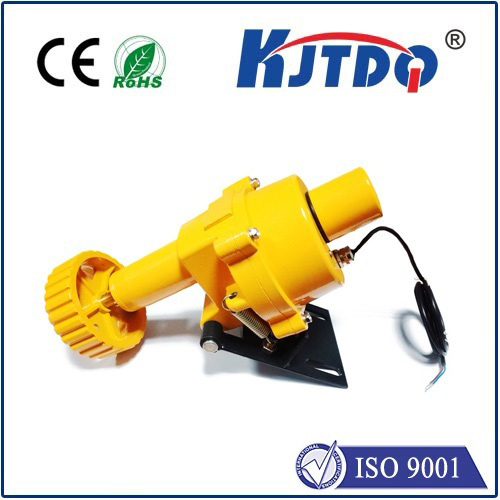
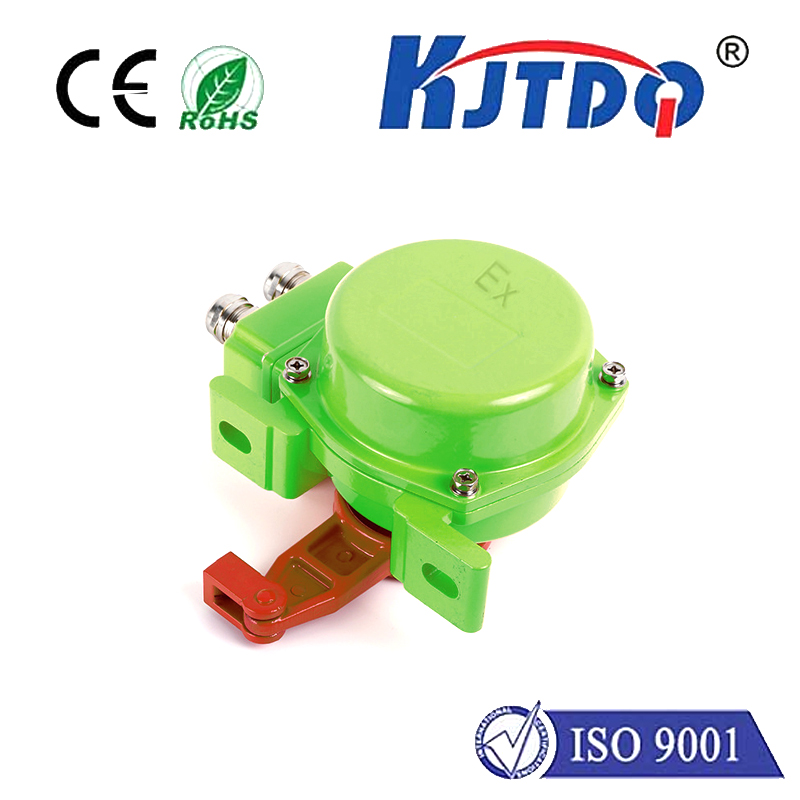
In the bustling environment of industrial material handling, where conveyor belts form the lifelines of production and logistics, safety is not just a priority—it's an absolute necessity. Among the myriad of safety components, the EPS-2-380V Pull Cord Switch stands out as a critical, often understated, guardian. This device is far more than a simple switch; it is a meticulously engineered emergency stop mechanism designed to bring conveyor systems to an immediate halt in the event of an emergency, thereby preventing accidents, protecting personnel, and safeguarding valuable equipment.
The core function of the EPS-2-380V Pull Cord Switch is elegantly straightforward yet profoundly important. Installed along the length of a conveyor belt, it features a prominently accessible pull cord or cable. In any emergency situation—such as a worker becoming entangled, a material jam, or a mechanical failure—any personnel along the line can quickly activate the switch by pulling the cord. This action instantly cuts off power to the conveyor drive motor, bringing the entire system to a stop. The "380V" designation specifies its compatibility with standard industrial three-phase power systems, making it a versatile and widely applicable safety solution across various sectors including mining, aggregate processing, packaging, and warehouse distribution centers.
What truly distinguishes a high-quality EPS-2-380V switch is its robust construction and reliable operation under demanding conditions. These units are typically housed in rugged, corrosion-resistant enclosures rated for IP65 or higher, ensuring protection against dust, moisture, and harsh weather when installed outdoors or in dirty environments. The internal mechanism is designed for fail-safe operation, meaning that a broken cord, loss of tension, or a deliberate pull will all trigger the safety stop. Many models feature a manual reset function, requiring an operator to physically reset the switch at the location of the activation. This prevents an accidental or unauthorized restart, allowing for a thorough safety inspection of the incident area before operations resume.
Beyond its primary emergency function, the strategic placement of these switches enhances overall operational safety culture. By installing them at regular intervals (often as mandated by safety regulations like OSHA or MSHA), it ensures that an emergency stop point is always within easy reach of any worker along the conveyor. This design philosophy empowers every team member, giving them direct control over their immediate safety. Furthermore, modern iterations of the EPS-2-380V Pull Cord Switch may integrate with broader plant control and monitoring systems. They can send a signal to a central control room or SCADA system, pinpointing the exact zone where the emergency stop was activated. This immediate notification accelerates response times for maintenance and safety teams.
Selecting the right EPS-2-380V switch involves careful consideration of several factors. The length of the conveyor and compliance with local safety regulations will dictate the required number of units and their spacing. The specific environmental challenges—extreme temperatures, explosive atmospheres (requiring ATEX or similar certification), or exposure to corrosive chemicals—must be matched with the switch's housing and ingress protection ratings. Ease of installation, maintenance requirements, and the quality of internal components like micro-switches or contactors are also crucial for long-term, dependable service.
In conclusion, the EPS-2-380V Pull Cord Switch is a fundamental pillar of industrial safety for conveyor systems. It embodies the principle of "safety by design," providing a simple, immediate, and reliable means to prevent catastrophic events. Its presence is a non-negotiable aspect of responsible operations, ensuring that efficiency and productivity never come at the expense of human well-being or equipment integrity. For facility managers, engineers, and safety officers, investing in and properly maintaining these switches is not merely a regulatory compliance issue; it is a core commitment to creating a secure and sustainable working environment.