Проверка
Проверка
Проверка
Проверка
Проверка
Проверка
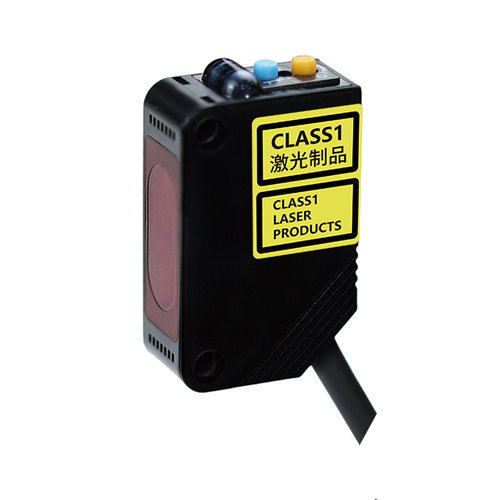
In the complex world of industrial automation, the reliability of a single component can dictate the efficiency of an entire production line. The ML100-8-HGU-100-RT/95/102/162 photoelectric switch stands as a prime example of engineering designed for such critical roles. This device is not merely a sensor; it is a sophisticated solution for non-contact detection, offering unparalleled precision in diverse and demanding environments. Its specific model code reveals its capabilities: a robust through-beam sensor with a 100-meter sensing range, built to deliver consistent performance where it matters most.
The core principle behind the ML100-8-HGU-100-RT/95/102/162 is based on modulated infrared light. The transmitter unit emits a focused beam towards a separate receiver. When an object interrupts this beam, the receiver detects the change and triggers a switching signal. This through-beam design is renowned for its long-range detection and high immunity to ambient light interference, making the ML100-8 series exceptionally reliable. The "100" in its designation confirms its ability to maintain stable operation over distances up to 100 meters, a feature crucial for large-scale applications like warehouse conveyor systems, parking garage vehicle detection, or extensive assembly line monitoring.
Durability is a non-negotiable requirement for industrial sensors. The ML100-8-HGU-100-RT/95/102/162 is engineered to meet this head-on. The housing is typically constructed from high-grade, coated metal or resilient industrial plastics, offering significant resistance to impacts, vibrations, and environmental stressors. Its ingress protection rating ensures it is shielded against dust and moisture, allowing for deployment in settings ranging from clean packaging rooms to more challenging outdoor or washdown-adjacent areas. This resilience translates directly to reduced downtime and lower long-term maintenance costs, providing a clear return on investment.
A key advantage of this photoelectric switch is its versatility in output configuration. The model suffix indicates a relay output, a feature highly valued for its ability to interface directly with a wide array of control systems, including programmable logic controllers (PLCs), motor starters, and alarm circuits. The relay contact can switch higher loads compared to standard transistor outputs, offering greater flexibility in system design. Furthermore, models like this often include adjustable sensitivity or timing functions, allowing technicians to fine-tune the sensor's response to specific application needs, minimizing false triggers and optimizing process flow.
Implementing the ML100-8-HGU-100-RT/95/102/162 requires careful planning. Proper alignment of the transmitter and receiver is critical for maximizing its long-range potential. Using alignment tools during installation can save significant time. For the 100-meter range, ensuring a stable mounting platform free from excessive vibration is essential to maintain beam integrity. Regular maintenance should involve lens cleaning to prevent the accumulation of dirt or debris that could attenuate the light signal. Understanding the load specifications of the relay output is also vital to prevent overloading and ensure a long operational lifespan.
When selecting a photoelectric sensor for long-range, high-reliability applications, the ML100-8-HGU-100-RT/95/102/162 presents a compelling case. Its through-beam principle guarantees the highest possible accuracy and range. The robust construction ensures it survives in tough industrial climates, while the relay output offers straightforward integration into existing control architectures. For engineers and system integrators tasked with designing reliable detection systems for material handling, logistics, security, or large automated processes, this sensor provides a proven, dependable solution that prioritizes operational continuity and precision above all else.