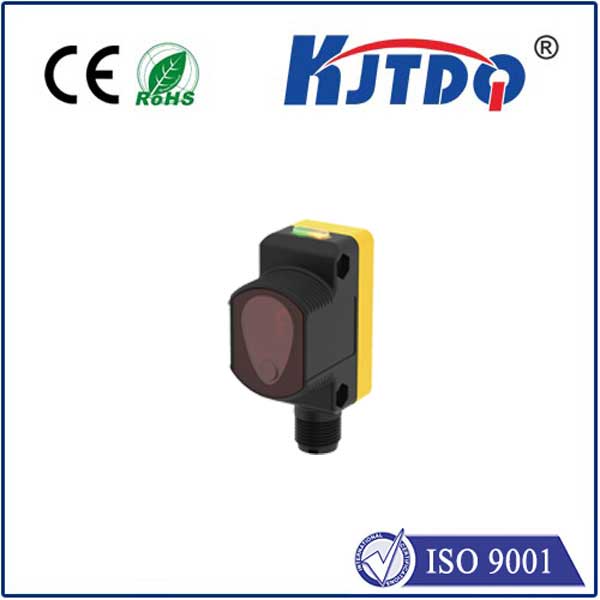
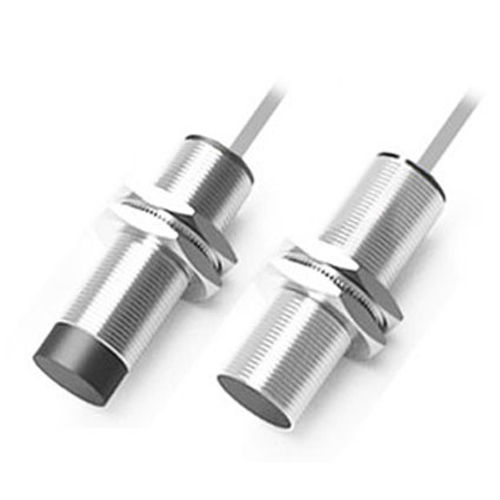
In the rapidly evolving landscape of industrial automation, precision and reliability are non-negotiable. The OD2-P50W10A0 laser sensor emerges as a pivotal component, engineered to meet the stringent demands of modern manufacturing and quality control processes. This device represents a significant leap in sensing technology, offering unparalleled accuracy in distance measurement and object detection.
The core functionality of the OD2-P50W10A0 lies in its advanced laser triangulation principle. By emitting a focused laser beam onto a target surface and analyzing the reflected light's position, the sensor calculates distances with micron-level precision. This method ensures consistent performance even in challenging environments with variable surface textures or colors. Industries such as automotive assembly, electronics manufacturing, and packaging rely on this consistency to maintain tight tolerances and reduce material waste.
One of the standout features of the OD2-P50W10A0 is its robust design. Encased in a durable housing, it withstands vibrations, dust, and temperature fluctuations common in factory settings. The sensor's IP67 rating guarantees protection against water and dust ingress, ensuring long-term operation without frequent maintenance. This durability translates to reduced downtime and lower total cost of ownership, a critical factor for production managers focused on efficiency.
Integration simplicity further enhances the appeal of the OD2-P50W10A0. Equipped with standard industrial communication interfaces like IO-Link and analog outputs, it seamlessly connects with programmable logic controllers (PLCs) and human-machine interfaces (HMIs). Users can configure parameters such as measurement range and response time through intuitive software, enabling quick setup and adaptation to various tasks. This plug-and-play capability minimizes installation time and allows for flexible deployment across multiple production lines.
In practical applications, the sensor excels in tasks requiring high-speed detection. For instance, in conveyor belt systems, it accurately identifies object presence, measures height variations, or verifies component placement at rates exceeding thousands of cycles per minute. This speed is crucial for maintaining throughput in high-volume manufacturing. Additionally, its ability to detect minute defects—like scratches on metal surfaces or gaps in seals—supports quality assurance protocols, preventing faulty products from reaching consumers.
Energy efficiency is another notable aspect of the OD2-P50W10A0. With low power consumption and a compact form factor, it aligns with sustainable manufacturing initiatives. The sensor's laser technology is designed for longevity, often operating for tens of thousands of hours without degradation in performance. This reliability ensures continuous monitoring, contributing to overall plant safety by preventing machine collisions or misalignments in automated guided vehicles (AGVs).
Field reports from engineers highlight the sensor's versatility. In a recent automotive plant installation, the OD2-P50W10A0 was deployed to monitor robotic welding paths, ensuring precise joint alignment. The data collected helped optimize welding parameters, reducing energy use by 15% while improving weld strength. Similarly, in pharmaceutical packaging, it verifies label positioning on bottles, achieving a 99.9% accuracy rate and minimizing rework costs.
Looking ahead, the integration of smart features positions the OD2-P50W10A0 for Industry 4.0 advancements. With capabilities for real-time data logging and predictive maintenance alerts, it supports digital twin models and IoT networks. This connectivity allows factories to analyze trends, anticipate sensor calibration needs, and streamline inventory management for spare parts. As automation becomes more interconnected, such sensors will play a key role in enabling adaptive, self-optimizing production environments.
In summary, the OD2-P50W10A0 laser sensor is more than just a measurement tool; it is a cornerstone of efficient industrial operations. By delivering high precision, durability, and ease of use, it addresses core challenges in automation. For businesses seeking to enhance productivity and quality, investing in this technology offers a clear path to competitive advantage. Its proven track record across diverse sectors underscores its value as a reliable solution for today's and tomorrow's manufacturing needs.