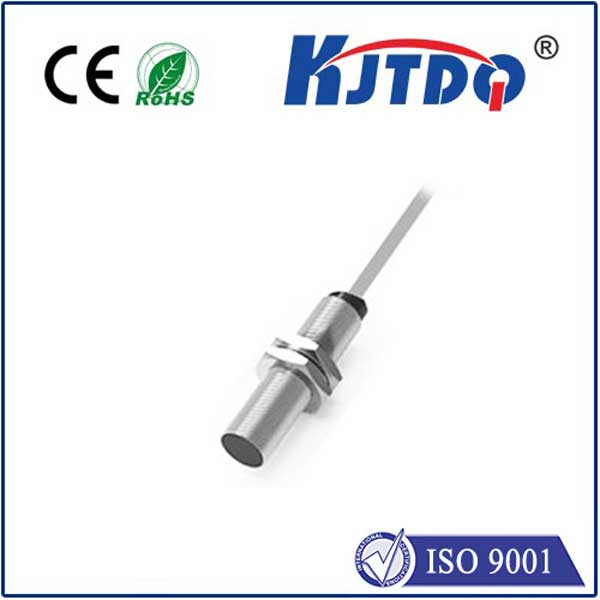
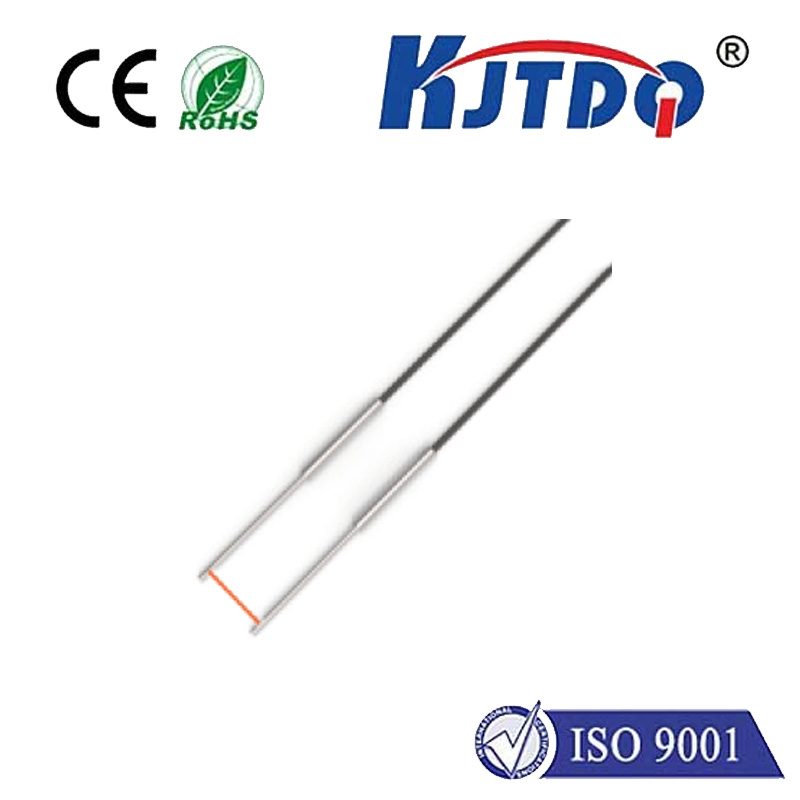
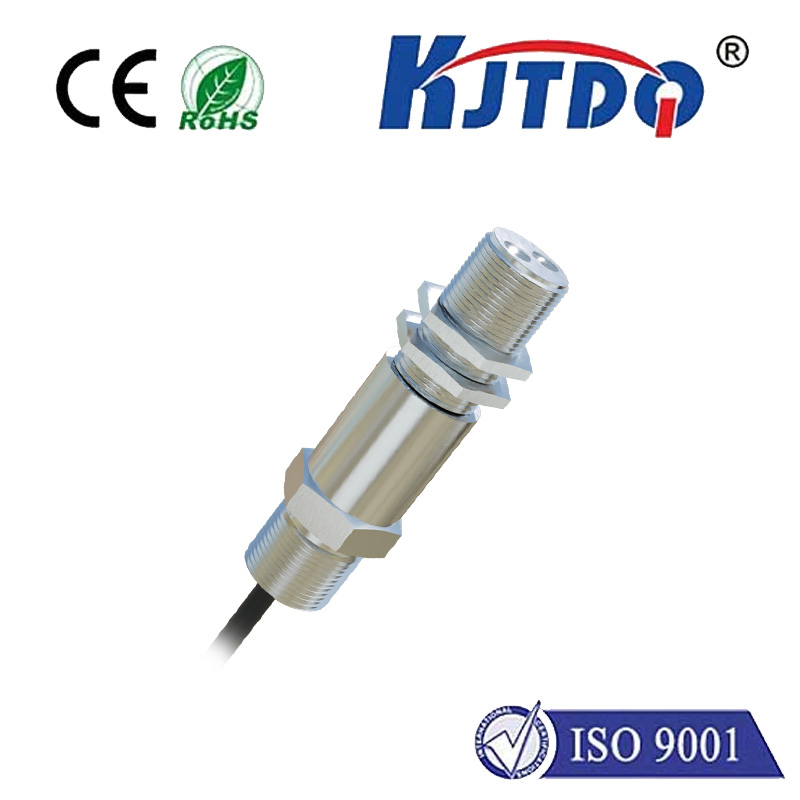
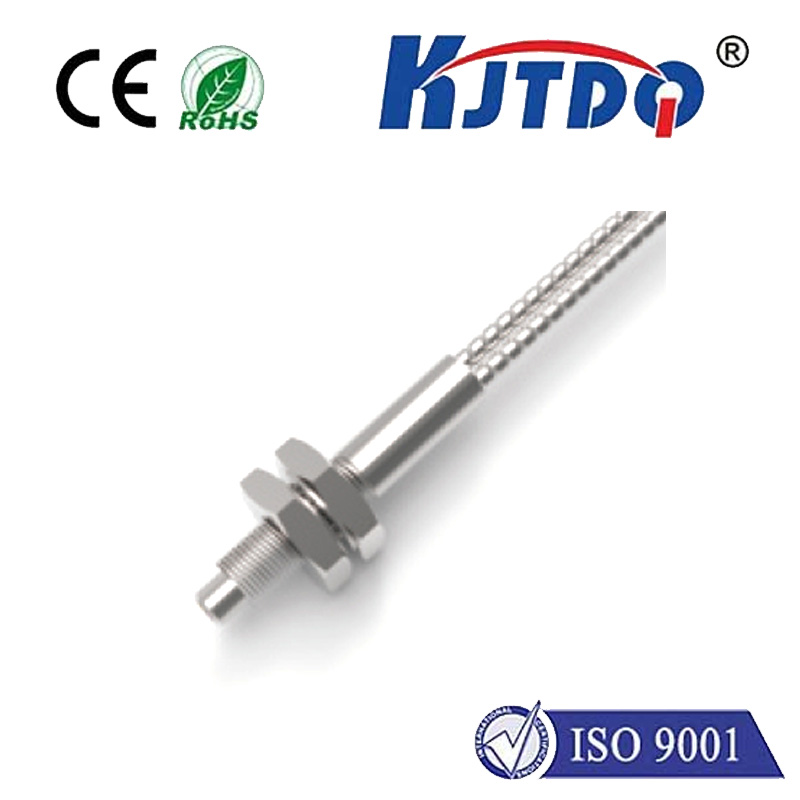
In the world of industrial automation and precision measurement, the demand for reliable, accurate, and robust sensors is paramount. Among the myriad of options available, laser sensors stand out for their exceptional performance in challenging environments. The CD33-30NV/PV laser sensor series represents a significant advancement in this technology, offering engineers and system integrators a powerful tool for a wide range of applications. This guide delves into the core features, operational principles, and practical uses of this versatile sensor, providing a comprehensive overview for professionals seeking to enhance their sensing capabilities.
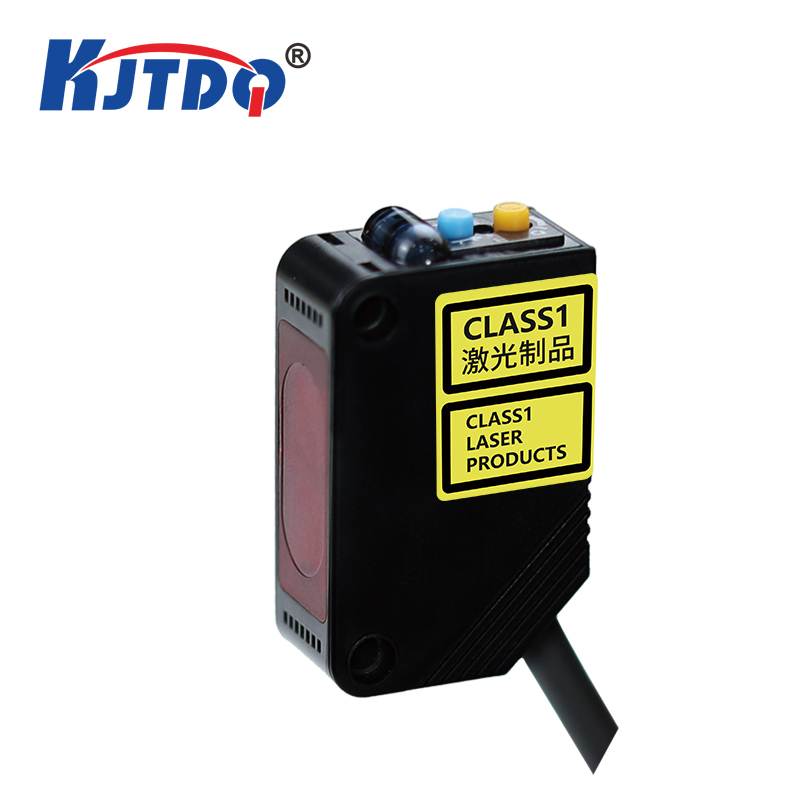
At its heart, the CD33-30NV/PV is a diffuse-reflective laser sensor. It operates by emitting a focused laser beam from its integrated transmitter. When this beam strikes a target object, the light is scattered in all directions. A highly sensitive receiver within the sensor housing detects a portion of this reflected light. By precisely analyzing the intensity and timing of the returned signal, the sensor can determine the presence or absence of an object within its defined sensing range. The "NV" and "PV" variants typically denote different output configurations or housing materials, allowing for customization based on specific electrical interface requirements or environmental conditions, such as resistance to oils or coolants.
One of the most compelling features of the CD33-30NV/PV series is its exceptional sensing range and precision. With a working distance of up to 300 mm (30 cm), it provides a generous operational window for detecting objects of various sizes and surface properties. The laser spot is exceptionally small and well-defined, enabling the detection of minute components, precise edge positioning, and accurate height differentiation that would be impossible with conventional photoelectric sensors. This pinpoint accuracy is crucial in applications like semiconductor wafer handling, precision assembly verification, and robotic guidance systems where even a millimeter of error can be costly.
The sensor's performance is further enhanced by advanced internal circuitry designed for stability. It incorporates sophisticated algorithms to compensate for ambient light interference and variations in target color or surface finish. Whether detecting a shiny metallic surface, a dark matte object, or a transparent material like glass, the CD33-30NV/PV maintains consistent and reliable detection. This robustness eliminates false triggers and ensures continuous operation in dynamic industrial settings where lighting conditions may fluctuate.
Installation and integration are streamlined thanks to the sensor's user-friendly design. Many models feature a built-in sensitivity potentiometer or teach-in function, allowing for quick and easy setup without the need for complex programming devices. The compact and rugged housing is engineered to withstand vibrations, shocks, and exposure to industrial contaminants, ensuring long-term durability. Typical electrical outputs include NPN or PNP transistor configurations (as indicated by the NV/PV suffix), making them directly compatible with standard programmable logic controllers (PLCs), counters, and other control systems.
The practical applications for the CD33-30NV/PV laser sensor are vast and span numerous industries. In automotive manufacturing, it is used for verifying the presence of tiny screws, checking gap dimensions on body panels, and ensuring proper seating of connectors. Within the packaging sector, it reliably detects labels on transparent film, counts products on high-speed conveyors, and monitors fill levels. Electronics manufacturers rely on it for PCB positioning, component insertion verification, and lead inspection. Furthermore, its precision makes it ideal for quality control tasks, such as measuring small part dimensions or detecting surface defects.
When selecting a sensor for a critical application, factors beyond basic detection must be considered. The CD33-30NV/PV addresses these needs with features like a fast response time, enabling it to keep pace with high-speed production lines. Its visible red laser beam also aids immensely in alignment and troubleshooting, allowing technicians to visually confirm the beam's path and sensing point. This combination of high speed, visual confirmation, and unwavering accuracy translates directly into increased productivity, reduced waste, and improved overall equipment effectiveness (OEE).
For system designers and maintenance personnel, understanding the environmental specifications is key to optimal performance. These sensors are typically rated for operation within a specific temperature range and offer a degree of ingress protection against dust and water. Adhering to these guidelines ensures maximum sensor lifespan and reliability. Regular maintenance primarily involves keeping the lens clean from dust or oil buildup, which can attenuate the laser signal.
In conclusion, the CD33-30NV/PV laser sensor series embodies the convergence of precision, reliability, and versatility required for modern industrial automation. Its ability to deliver consistent, accurate detection across diverse materials and challenging conditions makes it an indispensable component in the toolkit of automation professionals. By leveraging this advanced sensing technology, businesses can achieve higher levels of quality control, operational efficiency, and process automation, ultimately driving innovation and competitiveness in their respective fields.