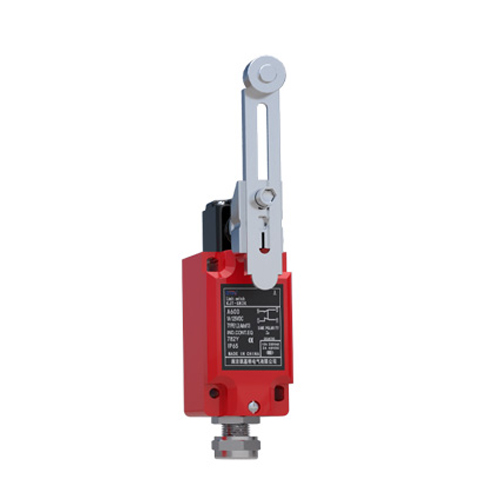
In the bustling environment of industrial manufacturing, mining, and material handling, conveyor systems are the lifelines that keep operations flowing. However, the relentless motion of these systems presents inherent safety risks for personnel working in close proximity. This is where a critical safety device comes into play: the ST-60-23 Pull Cord Switch, also known as an emergency stop switch or rope pull switch. This unassuming component is a cornerstone of industrial safety protocols, designed to bring a conveyor belt to an immediate halt in the event of an emergency.
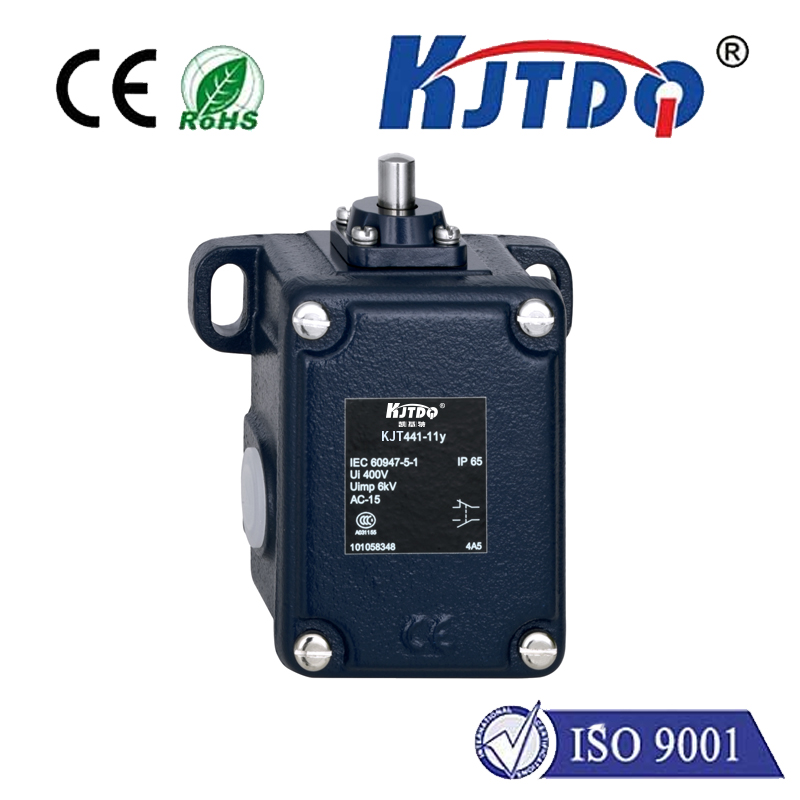
The primary function of the ST-60-23 pull cord switch is straightforward yet vital. It consists of a weather-resistant and robust housing, typically rated IP65 or higher for dust and water resistance, containing a switch mechanism. A durable steel wire rope or cable runs the entire length of the conveyor, often on one or both sides, accessible to operators at any point. This cable is connected to the switch's actuation mechanism. In an emergency—such as a worker becoming entangled, a material spill, a fire, or any other hazardous situation—any person can pull this cord. This action triggers the internal switch, instantly cutting power to the conveyor motor drive, initiating an emergency stop (E-stop). This rapid response capability is crucial for preventing injuries, minimizing equipment damage, and averting potential production disasters.
Why is the ST-60-23 model specifically noteworthy? Its designation often points to key features that meet rigorous industrial standards. The "ST" may stand for "Safety Trip" or a specific series. The "60" could refer to a housing dimension or a force rating. The "23" might indicate contact configuration, such as 2 normally open (NO) and 3 normally closed (NC) contacts, or a specific standard compliance. This configuration allows for flexible integration into complex safety circuits and control systems, enabling not just motor shutdown but also signaling to a central PLC (Programmable Logic Controller) to alert supervisors and log the emergency event. Its construction is built for harsh environments, featuring corrosion-resistant materials, sealed bearings, and a design that prevents accidental reset, ensuring reliability when it matters most.
Installation and maintenance are key to its effectiveness. The pull wire must be installed parallel to the conveyor, at a height that is easily accessible (usually between 0.9 to 1.2 meters from the walkway). Proper tension must be maintained; a sagging cord may not actuate correctly, while an overly tight one may cause false trips. Regular testing is mandatory. Most safety standards require a functional test of the pull cord switch at the start of each shift or at defined intervals. This test involves pulling the cord at a designated test point to verify the conveyor stops and the alarm activates. Maintenance involves checking for cable wear, ensuring the switch mechanism moves freely, and verifying electrical connections are secure.
Beyond basic emergency stopping, modern iterations of devices like the ST-60-23 can be part of a larger, networked safety system. They can be integrated with lockout-tagout (LOTO) procedures, where the switch must be manually reset at the location of the pull, ensuring the problem is addressed before restart. Some models include dual-channel outputs for use with safety relays that meet higher Safety Integrity Levels (SIL or PL), providing redundancy for critical applications.
In conclusion, the ST-60-23 Pull Cord Switch is far more than a simple mechanical lever. It is a fundamental, legally-often-required safeguard that empowers every worker on the floor with the direct ability to protect themselves and their colleagues. Its robust design, reliable actuation, and integration capabilities make it an indispensable component for any responsible operation relying on conveyor systems. Investing in and properly maintaining high-quality safety components like the ST-60-23 is not just a regulatory compliance issue; it is a core commitment to operational excellence and, most importantly, to human safety. Ensuring these devices are correctly specified, installed, and tested is a non-negotiable aspect of modern industrial management.