Проверка
Проверка
Проверка
Проверка
Проверка
Проверка
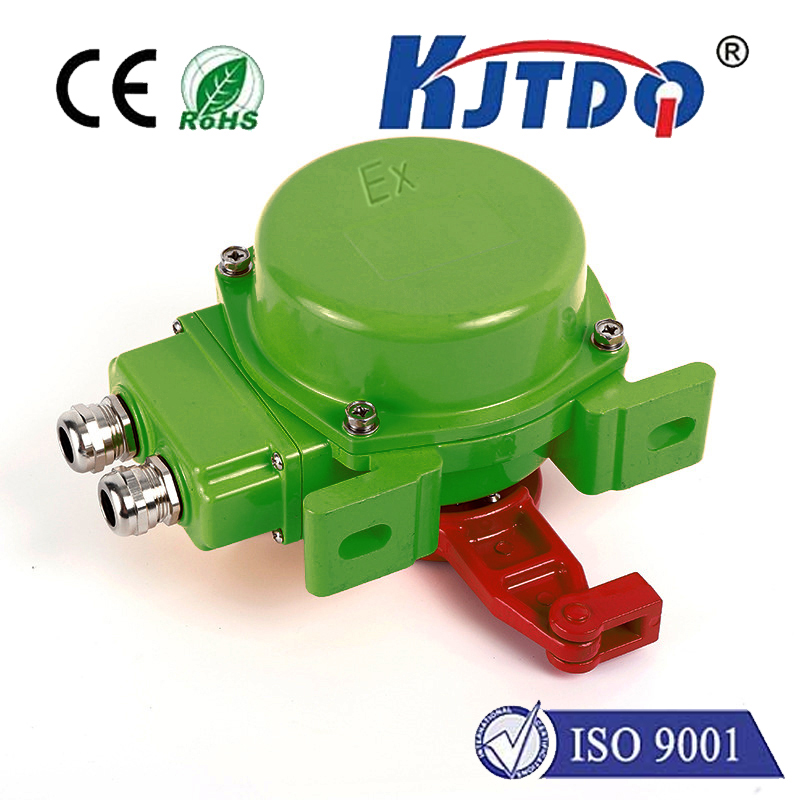
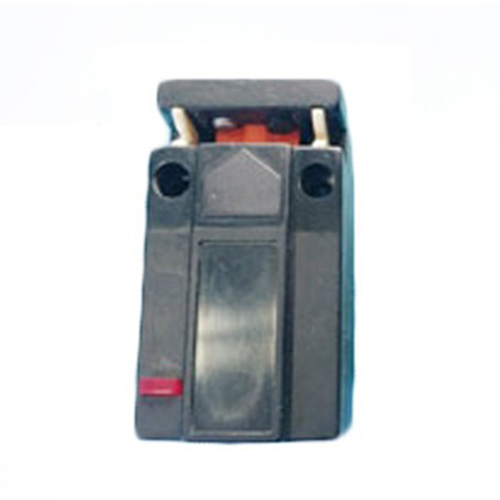
In industrial environments where machinery operates continuously, safety remains the paramount concern. The BX5700B pull cord switch emerges as a critical component in this landscape, designed to provide an immediate and reliable emergency stop function. This device is not merely an accessory but a fundamental safety interlock, integral to protecting personnel and preventing costly equipment damage.
The core principle of the BX5700B pull cord switch is elegantly simple yet profoundly effective. Installed along the length of a conveyor belt, processing line, or other extended machinery, it features a prominently accessible pull cord or cable. In the event of an emergency—such as a worker becoming entangled, a material jam, or any other hazardous situation—any person along the protected zone can quickly pull this cord. This action mechanically actuates the switch, instantly cutting power to the drive motor or triggering the plant's emergency stop system. This "fail-safe" design ensures that the system defaults to a safe state when the cord is pulled or if the cable itself breaks.
What sets the BX5700B model apart are its robust construction features tailored for harsh industrial settings. Typically housed in a durable, corrosion-resistant enclosure, it is built to withstand exposure to dust, moisture, and vibration. The internal switching mechanism is designed for high reliability and a long operational life, often featuring a positive break action that ensures clear contact separation. Many models include a manual reset function; after the emergency stop has been activated, the switch must be physically reset by an authorized operator. This prevents automatic restarting and allows for a safe investigation and clearance of the initial problem.
The applications for the BX5700B pull cord switch are extensive across numerous sectors. In mining and quarrying, they safeguard long conveyor belts transporting bulk materials. Within packaging and bottling plants, they protect workers along high-speed production lines. At airports, they are installed on baggage handling systems. Anywhere there is moving machinery with potential pinch points or entanglement hazards over a distance, this device provides a vital and compliant safety solution. Its installation is a key step in meeting international safety standards such as ISO 13850 and machinery directives that mandate the provision of accessible emergency stop devices.
Proper installation and regular maintenance are crucial to ensure the BX5700B performs its life-saving role. The pull cord should be installed at a consistent and accessible height, typically within easy arm's reach of personnel working nearby. The tension on the cord must be correctly adjusted to allow for easy operation while preventing accidental activation. Routine testing, as part of a facility's safety protocol, is essential. This involves periodically pulling the cord at various points to verify it reliably trips the emergency circuit and checking that the reset mechanism functions correctly.
Choosing the right safety component like the BX5700B pull cord switch involves considering several factors. The required switching capacity, environmental protection rating (IP rating), the length of the cord needed, and the type of reset mechanism (key, knob, or lever) must all align with the specific application. Consulting with safety engineers or reputable suppliers ensures the selected model integrates seamlessly with existing control systems and provides the required level of protection.
Ultimately, the BX5700B pull cord switch represents a straightforward, yet indispensable, commitment to workplace safety. It empowers every worker on the floor with the direct ability to halt dangerous operations, fostering a proactive safety culture. By providing a reliable and immediate means of intervention, this device not only helps prevent injuries but also minimizes the risk of severe damage to valuable machinery and production assets. In the complex ecosystem of industrial automation, such fundamental safety devices remain the bedrock upon which all other operational efficiencies are built.