Проверка
Проверка
Проверка
Проверка
Проверка
Проверка
In the world of industrial automation, efficiency and accuracy are paramount. The photoelectric switch feeding sensor stands as a critical component in achieving these goals, enabling seamless material handling and process control across various sectors. This guide delves into the fundamentals, applications, and benefits of this advanced sensor technology, offering insights for engineers and decision-makers seeking to optimize their operations.
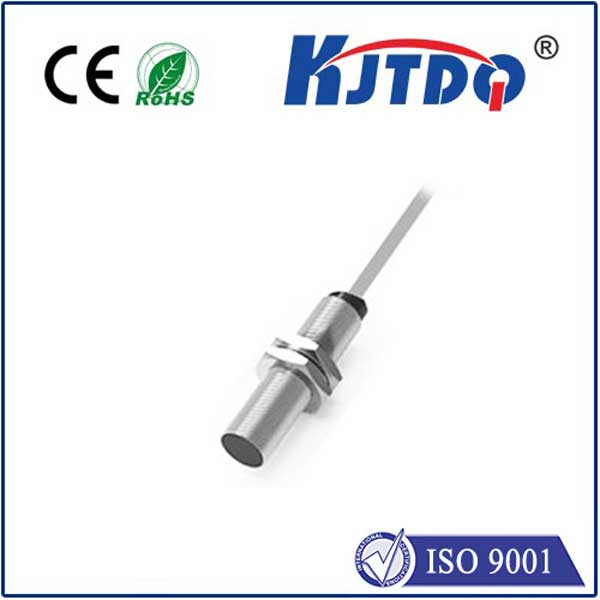
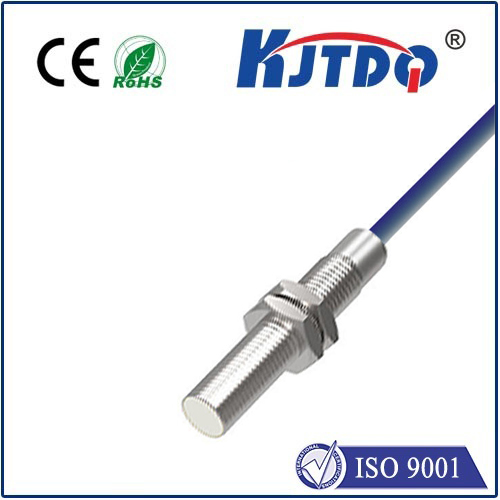
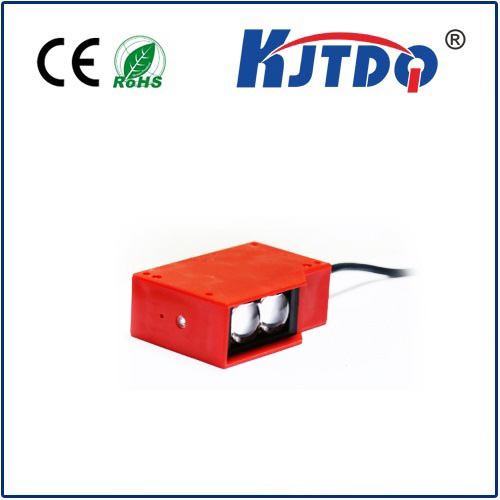
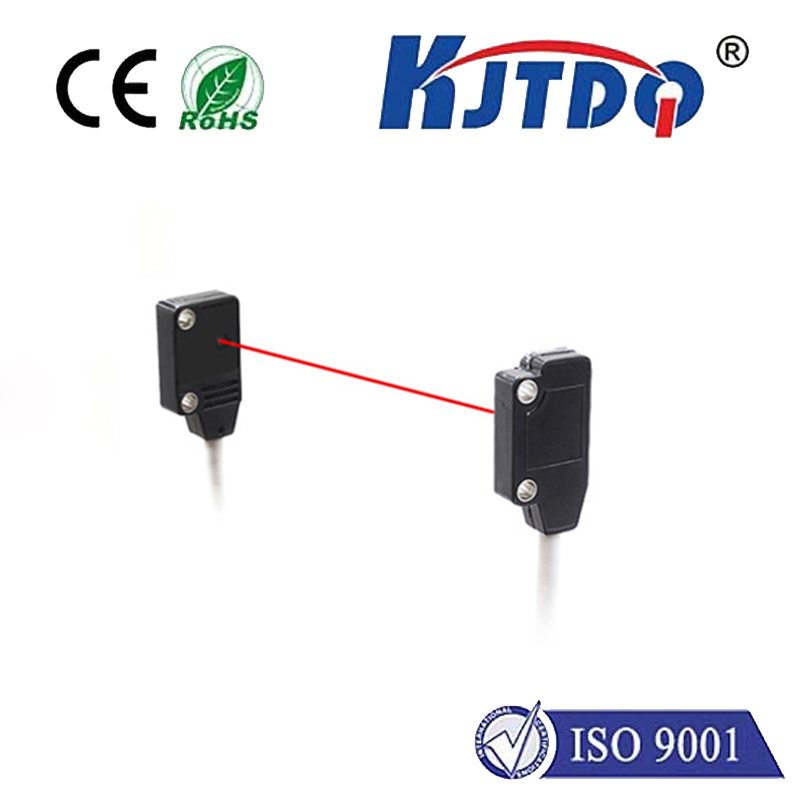
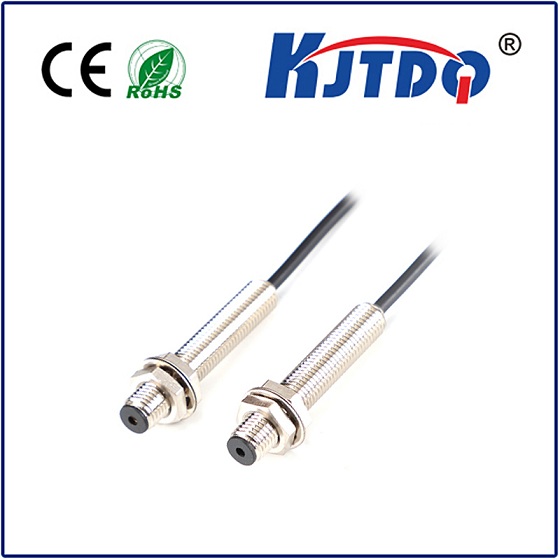
A photoelectric switch feeding sensor operates on a simple yet powerful principle: it uses light to detect the presence, absence, or position of objects. Typically, it consists of an emitter that projects a light beam—often infrared, visible, or laser light—and a receiver that captures the beam. When an object interrupts this beam, the sensor triggers a response, such as starting or stopping a conveyor belt, counting items, or aligning materials. This non-contact method ensures minimal wear and tear, making it ideal for high-speed or delicate applications where physical sensors might fail.
The versatility of photoelectric switch feeding sensors is evident in their wide-ranging applications. In packaging lines, they ensure precise product placement and prevent jams by monitoring feed rates. In automotive assembly, they guide robotic arms to position components accurately, reducing errors and enhancing safety. The food and beverage industry relies on these sensors for hygienic, contamination-free monitoring of containers on filling lines. Moreover, in logistics and warehousing, they facilitate automated sorting and inventory management by detecting packages on conveyors. Their ability to function in harsh environments—resisting dust, moisture, and temperature fluctuations—adds to their appeal in sectors like mining and agriculture.
Key advantages of integrating photoelectric switch feeding sensors include improved precision and reliability. Unlike mechanical switches, they offer fast response times, often in milliseconds, which is crucial for real-time control systems. Their non-contact nature eliminates friction, leading to lower maintenance costs and longer lifespans. Additionally, modern sensors come with adjustable sensitivity and range settings, allowing customization for specific tasks. For instance, diffuse reflection sensors work well for detecting objects at short distances, while through-beam sensors provide long-range accuracy for larger setups. This adaptability makes them a cost-effective solution for both small-scale operations and large industrial complexes.
When selecting a photoelectric switch feeding sensor, consider factors such as sensing range, environmental conditions, and output type. Sensing range determines how far the sensor can detect objects, with options spanning from a few centimeters to several meters. For dusty or wet areas, models with high ingress protection (IP) ratings are essential to ensure durability. Output types—like digital (NPN or PNP) or analog—affect compatibility with control systems, so matching these with existing machinery is vital. Regular calibration and cleaning of lenses can also maintain optimal performance, preventing false triggers from debris buildup.
Innovations in sensor technology continue to enhance photoelectric switch feeding sensors. Smart features, such as IoT connectivity and data logging, enable predictive maintenance and integration with Industry 4.0 frameworks. These advancements allow for remote monitoring and analytics, helping businesses reduce downtime and boost productivity. As industries evolve toward greater automation, the demand for reliable, high-performance sensors is set to grow, making them a cornerstone of modern manufacturing and logistics.
In summary, the photoelectric switch feeding sensor is an indispensable tool for achieving operational excellence. Its ability to deliver accurate, non-contact detection supports efficient workflows and reduces operational costs. By understanding its principles and applications, organizations can leverage this technology to stay competitive in a fast-paced industrial landscape. Whether you're upgrading an existing system or designing a new one, investing in quality sensors can yield significant returns in precision and reliability.