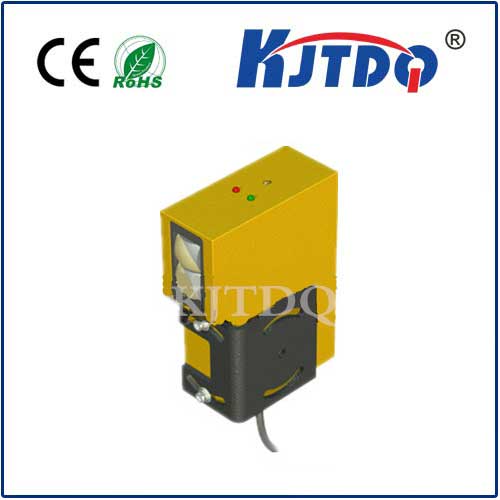
In the dynamic and demanding world of industrial material handling, conveyor systems are the lifelines that keep operations flowing. However, these powerful machines also present significant safety risks to personnel working in close proximity. This is where the LSF-Ⅱ Pull Cord Switch emerges as a non-negotiable component for operational safety and compliance. Far more than a simple emergency stop, this device represents a critical layer of protection designed for reliability and immediate response.
The core function of the LSF-Ⅱ Pull Cord Switch is straightforward yet vital: to provide a manually activated emergency stopping mechanism along the entire length of a conveyor belt. A robust steel wire rope, the pull cord, is installed parallel to the conveyor. In the event of an emergency—such as a worker becoming entangled, a spillage, or spotting a fire—any person can instantly halt the conveyor by pulling this cord from any point along its run. This immediate action can prevent injury, minimize equipment damage, and avert potential catastrophic incidents. The "LSF-Ⅱ" designation typically indicates a specific model series, often featuring enhancements like a more durable enclosure, improved mechanical action, or dual activation modes compared to basic versions.
What sets a high-quality pull cord switch like the LSF-Ⅱ apart are the engineering features that ensure it works every single time, even in harsh conditions. Key attributes include a heavy-duty, corrosion-resistant enclosure rated for IP65 or higher, protecting internal components from dust, moisture, and physical impact. The internal switching mechanism is designed for positive, snap-action operation, providing a clear and unambiguous signal to the conveyor's control system. Many models, including the LSF-Ⅱ, offer a dual-action feature: the switch activates upon a pull on the cord and often requires a manual reset by twisting or pulling a knob at the switch housing. This prevents automatic restart, ensuring the situation is assessed and cleared before operations resume—a fundamental safety protocol.
Installation and strategic placement are crucial for effectiveness. Pull cord switches must be installed on both sides of the conveyor at intervals that ensure the cord is always within easy reach, typically every 20-30 meters. The pull cord itself should have sufficient tension to avoid sagging but remain easy to pull. Regular testing, as part of a scheduled maintenance routine, is mandatory. This involves pulling the cord to verify it cleanly stops the conveyor and checking that the reset function works correctly. Neglecting these checks can render the safety system useless when it is needed most.
Beyond immediate emergency response, the LSF-Ⅱ Pull Cord Switch plays a pivotal role in a facility's overall safety culture and regulatory compliance. Agencies like OSHA (Occupational Safety and Health Administration) and MSHA (Mine Safety and Health Administration) have stringent requirements for conveyor safety systems. Implementing and maintaining certified safety devices like the LSF-Ⅱ is not optional; it is a legal and ethical obligation. It demonstrates a company's commitment to its workforce's well-being, potentially reducing liability and insurance costs while fostering an environment where safety is visibly prioritized.
Choosing the right pull cord switch requires careful consideration of the operating environment. For areas with explosive dust or gases, an explosion-proof certified model is essential. For extremely long conveyors, switches with low-resistance contacts or auxiliary relays ensure the stop signal is transmitted reliably. The LSF-Ⅱ series is often designed to meet these varied challenges, offering robustness for mining, quarrying, grain handling, and bulk shipping applications.
In conclusion, the LSF-Ⅱ Pull Cord Switch is far from a mere accessory. It is an essential, life-saving guardian embedded in the framework of industrial conveyor systems. Its presence provides personnel with a direct and immediate means to take control in a crisis. By investing in reliable, well-maintained safety components like the LSF-Ⅱ, industries protect their most valuable assets—their people—and ensure the smooth, responsible, and sustainable flow of their operations. In the calculus of industrial productivity, safety is the foremost variable, and the pull cord switch is a key constant in that equation.