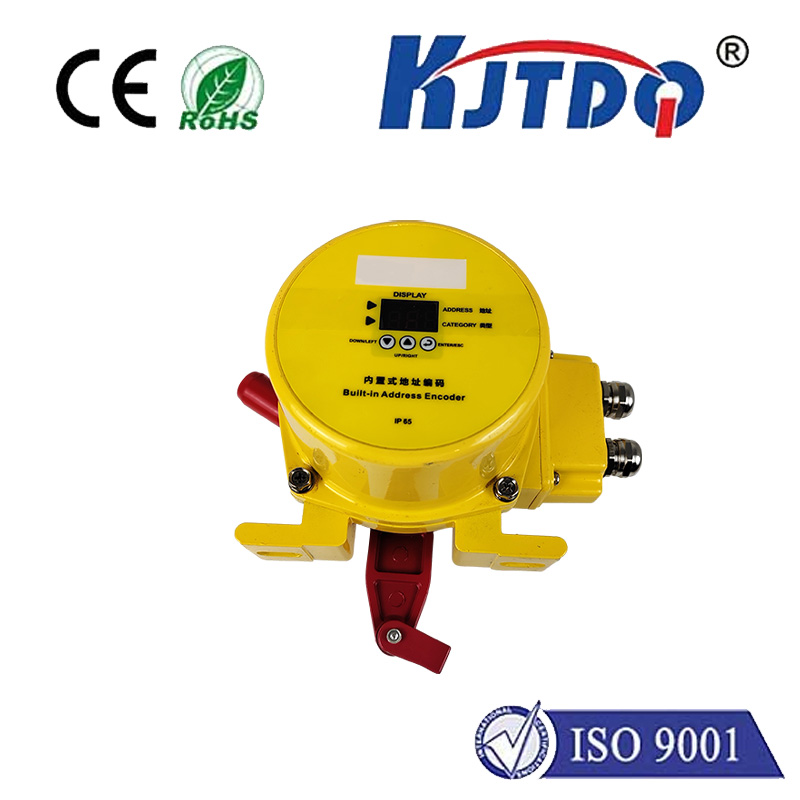
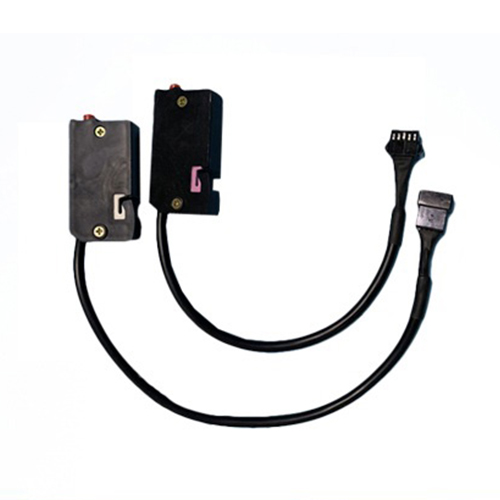
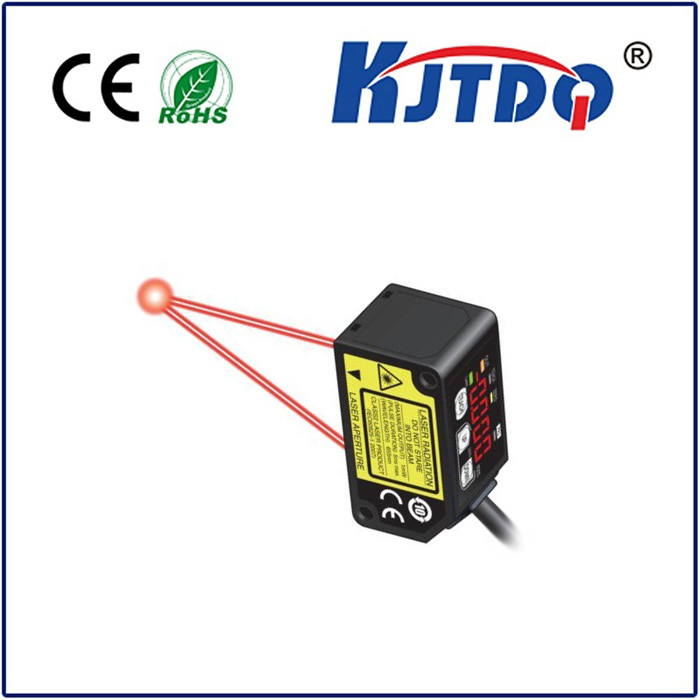
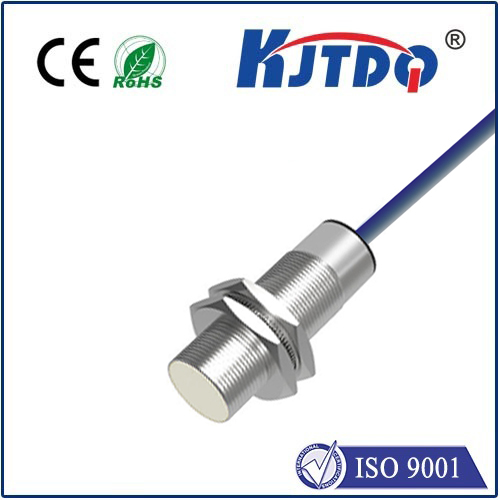
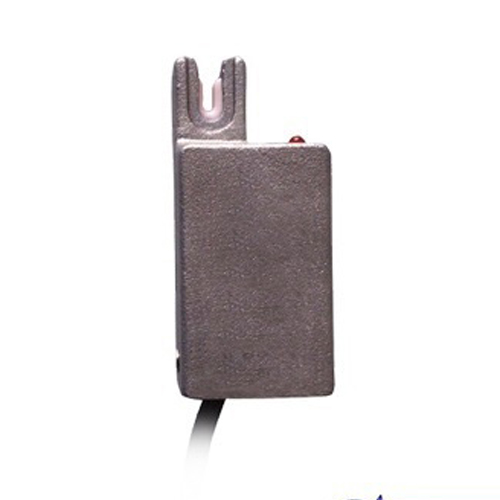
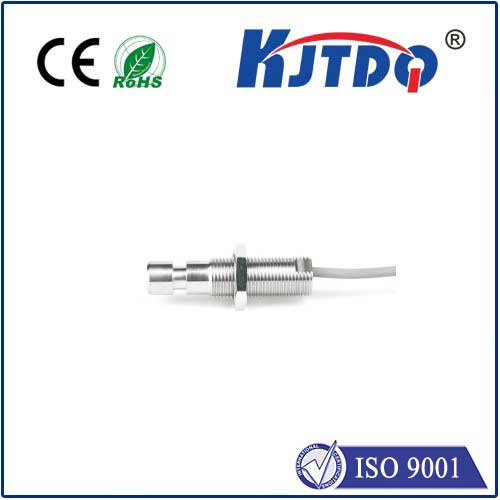
In the world of industrial automation and heavy machinery, precision control is not just a luxury—it’s a necessity. Among the critical components that ensure operational safety and efficiency, the slewing limit switch stands out as a pivotal device. This specialized switch is designed to monitor and control the rotational movement, or slewing, of equipment such as cranes, excavators, wind turbines, and radar systems. By setting precise limits on rotation angles, it prevents mechanical overtravel, reduces wear and tear, and mitigates the risk of catastrophic failures.
The fundamental principle behind a slewing limit switch is straightforward yet ingenious. Typically, it consists of a rotary actuator coupled with a series of electrical contacts. As the machinery rotates, the actuator turns accordingly. When it reaches a pre-set position, it triggers the contacts to open or close, thereby sending a signal to the control system to stop, slow down, or change direction. This mechanism ensures that equipment operates within safe parameters, enhancing both longevity and performance. Modern slewing limit switches often incorporate advanced features like encoders for absolute position feedback, rugged enclosures rated for harsh environments (e.g., IP67 for dust and water resistance), and modular designs for easy integration and maintenance.
Why is the slewing limit switch so indispensable? Consider applications in construction cranes. Without accurate rotation limits, a crane could swing uncontrollably, leading to structural damage, load drops, or even injuries. In renewable energy, wind turbines rely on these switches to optimize blade orientation and yaw control, maximizing energy capture while preventing mechanical stress. Similarly, in mining and material handling, slewing limit switches enable precise positioning of conveyors and excavators, boosting productivity and safety. The reliability of these switches directly impacts operational uptime and cost-effectiveness, making them a cornerstone of industrial systems.
When selecting a slewing limit switch, several factors come into play. Durability is paramount, as the device must withstand vibrations, temperature extremes, and exposure to contaminants. Look for switches with robust housing materials like stainless steel or reinforced plastics. Accuracy is another critical aspect; high-resolution encoders can provide positional accuracy within fractions of a degree, essential for sensitive applications. Additionally, compatibility with existing control systems—whether analog, digital, or networked via protocols like PROFINET or EtherCAT—ensures seamless integration. Customization options, such as adjustable cams or programmable logic, allow for tailored solutions to meet specific operational needs.
Installation and maintenance practices significantly influence the performance of slewing limit switches. Proper alignment during setup is crucial to avoid false triggers or missed signals. Regular inspections should check for signs of wear, corrosion, or loose connections. In demanding environments, preventive maintenance schedules—including cleaning and lubrication—can extend the switch’s lifespan. Many modern switches also feature diagnostic capabilities, such as LED indicators or remote monitoring, to facilitate troubleshooting and reduce downtime.
Innovations in slewing limit switch technology continue to evolve. The integration of IoT (Internet of Things) capabilities enables real-time data collection and predictive analytics, allowing operators to anticipate failures before they occur. Smart switches can communicate with central management systems, providing insights into usage patterns and performance metrics. Furthermore, advancements in materials science have led to more resilient components that endure even under extreme conditions, from offshore oil rigs to Arctic mining sites. These developments underscore the growing importance of slewing limit switches in an increasingly automated industrial landscape.
In conclusion, the slewing limit switch is more than just a component; it is a guardian of precision and safety in heavy-duty applications. Its role in preventing overrotation and ensuring controlled movement makes it vital across diverse sectors, from construction and energy to defense and transportation. By investing in high-quality slewing limit switches and adhering to best practices in installation and maintenance, industries can achieve enhanced reliability, reduced operational risks, and improved efficiency. As technology advances, these switches will continue to adapt, offering smarter, more robust solutions for the challenges of modern machinery.