In the intricate world of industrial automation and machinery, the seamless operation of complex systems hinges on the reliability of countless small components. Among these, the limit sensor switch stands as a fundamental yet critical device, often operating behind the scenes to ensure safety, precision, and efficiency. This guide delves into the function, types, and applications of limit sensor switches, providing essential insights for engineers, technicians, and industry professionals.
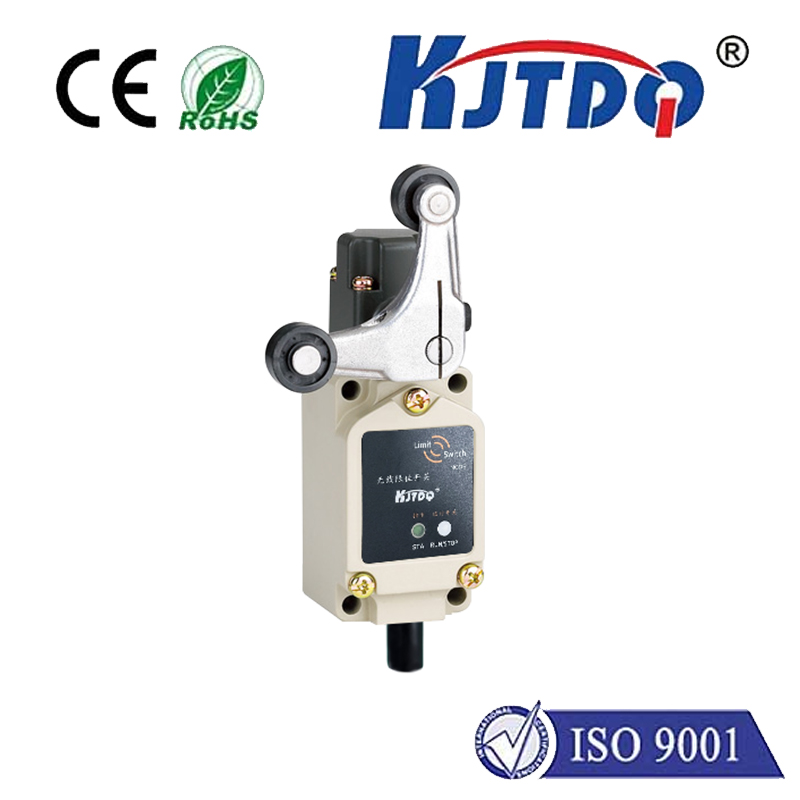
A limit sensor switch, also known as a limit switch, is an electromechanical device designed to detect the presence or absence of an object, or to monitor the movement limits of a machine part. Its primary function is to convert mechanical motion into an electrical control signal. When an actuator, such as a cam, lever, or plunger, makes physical contact with the switch, it triggers a change in the electrical circuit. This signal can then be used to stop, start, or alter the operation of a machine, effectively "limiting" its travel or position to prevent over-travel, damage, or unsafe conditions.
The operational principle is straightforward but robust. The internal mechanism typically involves a set of contacts that are either normally open (NO) or normally closed (NC). Upon actuation, these contacts change state—open contacts close, and closed contacts open—sending a clear signal to the control system. This physical actuation method makes limit switches highly reliable in environments where absolute position confirmation is required, unlike some proximity sensors that can be influenced by environmental factors.
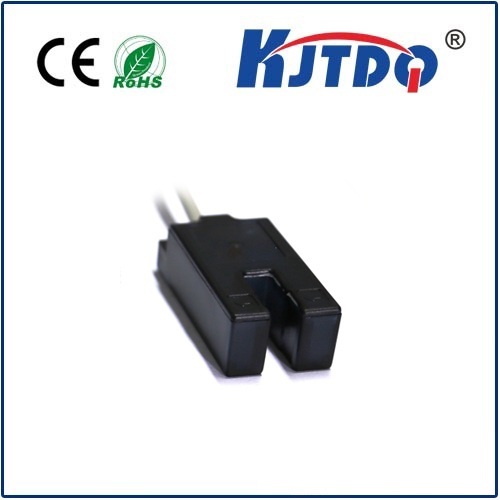
Several common types of limit switches cater to diverse industrial needs. The Lever Arm switch is versatile, with an arm that can be adjusted for different angles of operation. The Plunger type is activated by a direct linear force, ideal for precise end-position detection. Rotary limit switches are used for rotational motion control, often in cranes or conveyors. For harsh environments, Heavy-Duty and Sealed limit switches offer enhanced durability, resistance to dust, moisture, and mechanical impact. The choice of type depends on factors like the required actuation force, mounting constraints, environmental conditions, and the nature of the movement being monitored.
The applications of limit sensor switches are vast and span numerous industries. In manufacturing assembly lines, they ensure robotic arms stop at exact positions for welding or painting. In material handling, they prevent conveyor belts from overrunning or gates from opening incorrectly. Elevators rely on them to halt precisely at floor levels. In the automotive industry, they are integral to automated machinery for part placement and safety interlocks on presses. Their role in ensuring operational safety cannot be overstated; by preventing machines from moving beyond their intended range, they protect both equipment and personnel from potential hazards.
When selecting and installing a limit switch, several best practices should be followed. First, consider the operating environment—factors like temperature, presence of corrosive chemicals, or explosive atmospheres will dictate the required housing material and protection rating (e.g., IP67). Second, match the mechanical specifications, such as actuator type, operating force, and repeat accuracy, to the application's demands. Proper mounting is crucial to ensure consistent and accurate actuation. Regular maintenance, including checking for mechanical wear on the actuator and ensuring electrical connections are secure, is essential for long-term reliability. Troubleshooting often involves verifying the physical actuation, checking the continuity of the electrical contacts, and ensuring the control system is receiving the correct signal.
While modern sensing technologies like inductive, capacitive, and photoelectric proximity sensors offer non-contact operation, the limit sensor switch remains irreplaceable in many scenarios. Its key advantages include physical robustness, simplicity, high current-carrying capacity, and immunity to electrical noise. The direct physical feedback provides a level of certainty that is paramount in safety-critical applications. It serves as a dependable workhorse in control systems, from simple motor controls to complex programmable logic controller (PLC) setups.
In conclusion, the limit sensor switch is a cornerstone of industrial control and safety. Its ability to reliably translate mechanical position into an electrical command makes it an indispensable component in automation. Understanding its operation, varieties, and proper application is key to designing and maintaining efficient, safe, and productive mechanical systems. As technology evolves, the fundamental principle of the limit switch continues to underpin the safe interaction between moving machinery and control systems.