In the world of automation and precise mechanical movement, the integration of control, safety, and reliability is paramount. A 12 volt actuator equipped with a limit switch represents a cornerstone solution for countless applications, from hobbyist projects to industrial systems. This combination delivers a powerful, compact, and intelligent linear or rotary motion package that is both efficient and remarkably easy to implement.
At its core, a 12V DC actuator is an electromechanical device that converts electrical energy into controlled linear or rotary motion. The 12-volt power specification makes it exceptionally versatile, compatible with common power supplies, batteries, solar panels, and vehicle electrical systems. This low-voltage operation enhances safety, reduces installation complexity, and is ideal for mobile or remote applications. Whether it's adjusting a satellite dish, automating a damper in an HVAC system, raising a TV lift, or controlling a valve, the 12V actuator provides a dependable force.
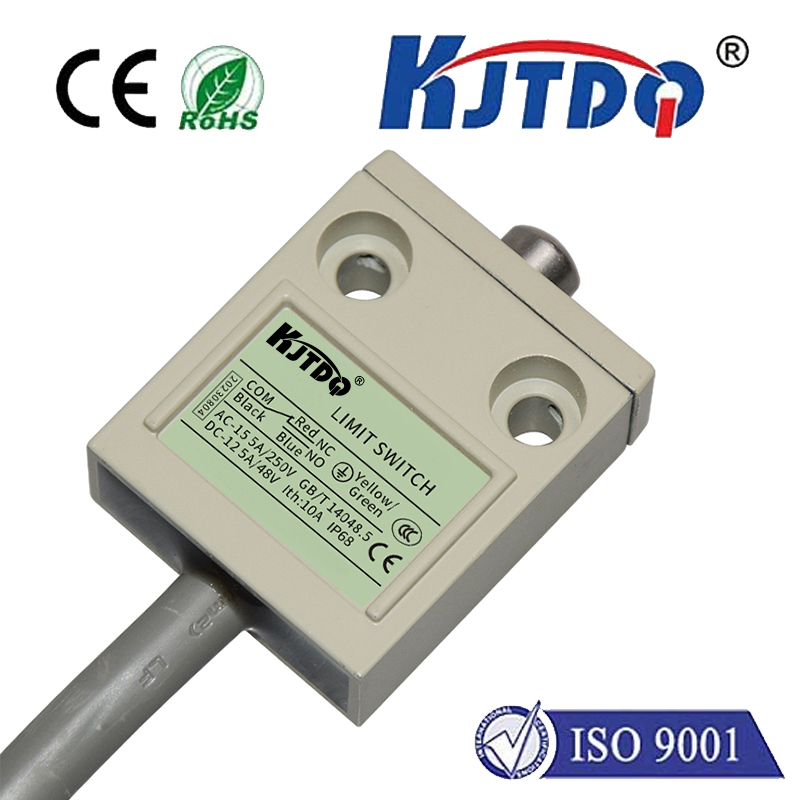
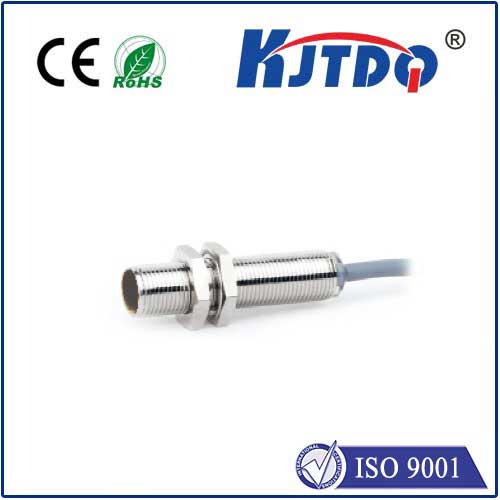
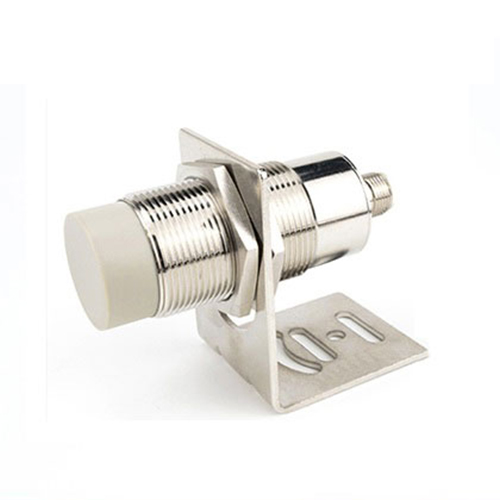
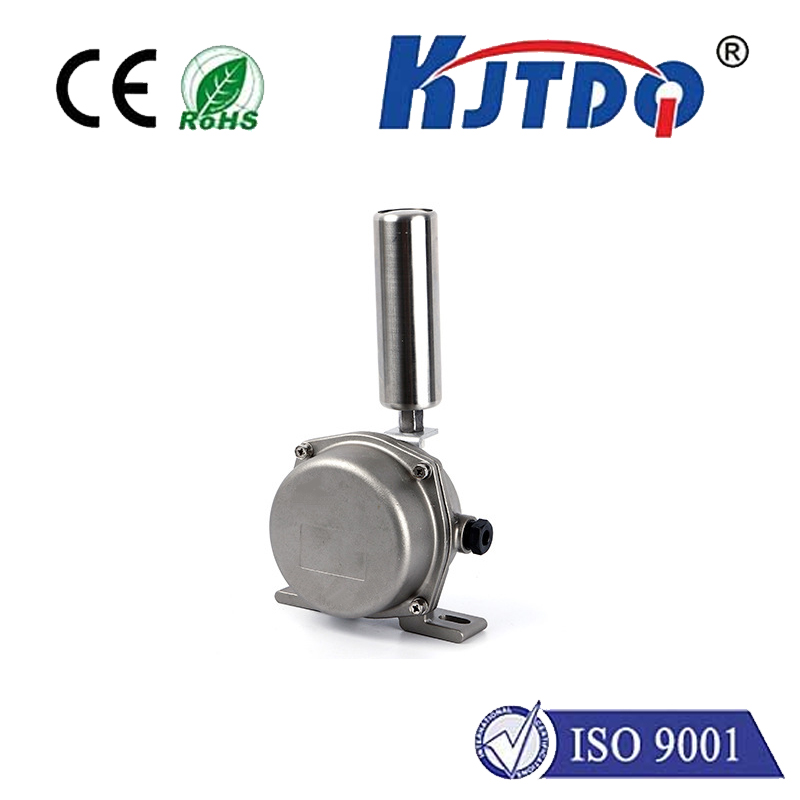
However, the true intelligence and safety of such a system are unlocked by the inclusion of a limit switch. A limit switch is a sensor that detects the physical presence or position of an object—in this case, the actuator's stroke. It is strategically integrated to signal the actuator's control circuit when the moving rod has reached its fully extended or fully retracted position. This simple yet critical component serves two vital functions: it prevents mechanical damage and defines precise operational endpoints.
Without a limit switch, an actuator could continue to drive against its mechanical stops, leading to stalled motors, excessive current draw, overheating, and eventual burnout. The limit switch cuts power at the precise moment of full travel, protecting the actuator's internal gearing and motor. This dramatically extends the operational lifespan of the device. Furthermore, it provides consistent, repeatable positioning. For tasks requiring accuracy—such as positioning a robotic arm, setting the angle of a solar panel, or opening a gate to a specific point—the limit switch ensures the actuator stops at the exact same location every cycle.
The synergy between the 12V power system and the limit switch creates a robust and user-friendly package. Installation typically involves connecting two wires for power and, often, two additional wires from the limit switch to a simple controller or relay. Many modern 12V actuators come with built-in, pre-adjusted limit switches, offering a plug-and-play solution. For more custom setups, external adjustable limit switches can be added, allowing users to define the stroke range with fine precision.
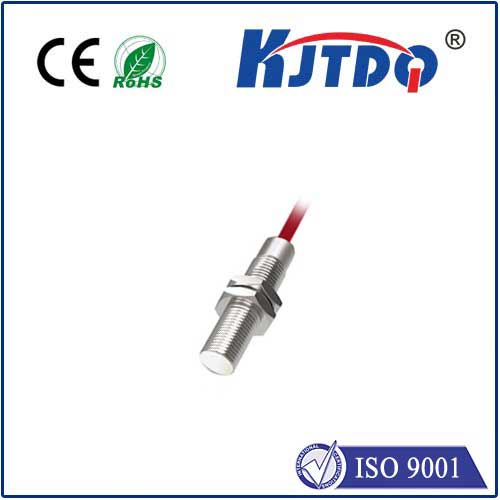
When selecting a 12 volt actuator with a limit switch, several key specifications demand attention. The stroke length defines the total linear travel distance. The load capacity, or force rating (often in pounds or newtons), must match or exceed the required push/pull force of the application. Speed, measured in inches per second or millimeters per second, determines how quickly the motion occurs. The duty cycle indicates how frequently the actuator can operate without overheating. Finally, the type of limit switch—whether mechanical, magnetic reed, or potentiometer-based—affects precision, durability, and cost. Magnetic reed switches, for example, are non-contact and offer high reliability with millions of cycles.
In practical terms, these actuators are ubiquitous. In automotive and marine applications, they power adjustable seats, hatch lifts, and throttle controls. In home automation, they are found in electric furniture, window openers, and security barriers. In agriculture, they control chutes, gates, and sprayer arms. The 12V power source makes them perfect for off-grid and mobile uses, while the integrated limit switch guarantees safe, maintenance-free operation.
Ultimately, choosing a 12 volt actuator with a limit switch is an investment in controlled, reliable, and safe automation. It eliminates guesswork, prevents costly equipment failure, and delivers precise mechanical movement time after time. For engineers, designers, and DIY enthusiasts alike, this combination provides a fundamental building block for creating intelligent motion systems that perform consistently in diverse environments. By understanding its principles and specifications, you can seamlessly integrate this powerful component into your next project, ensuring optimal performance and longevity.