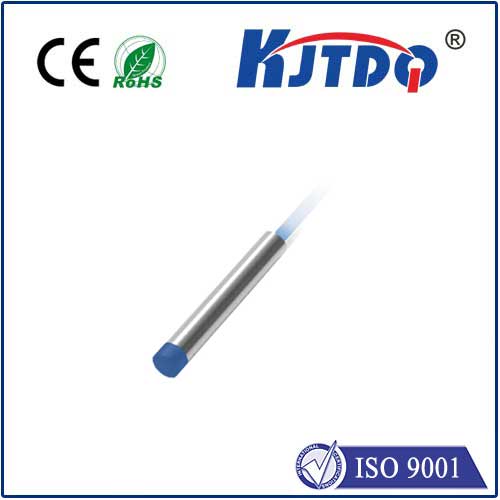
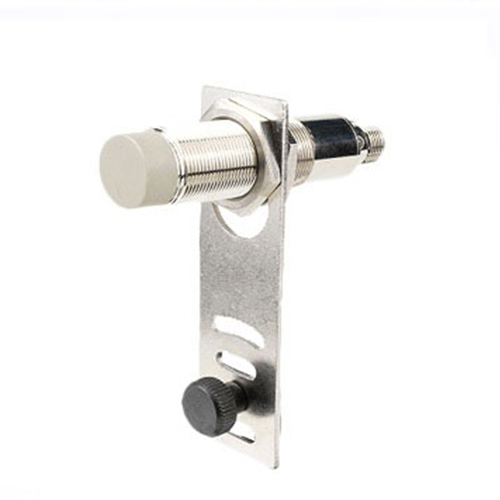
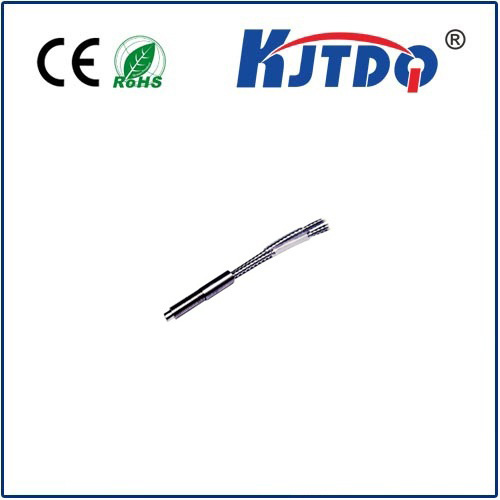
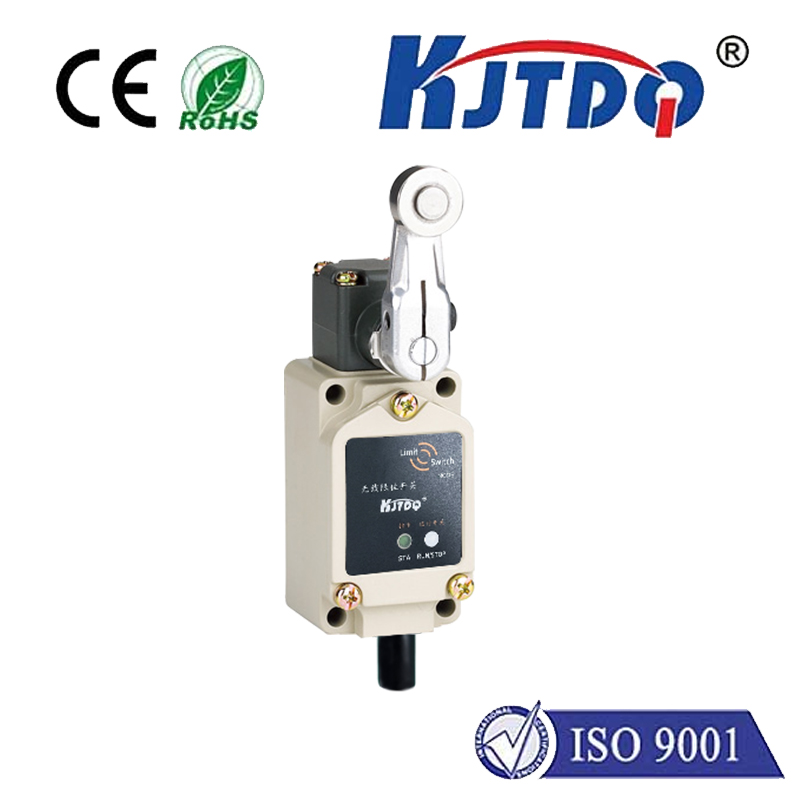
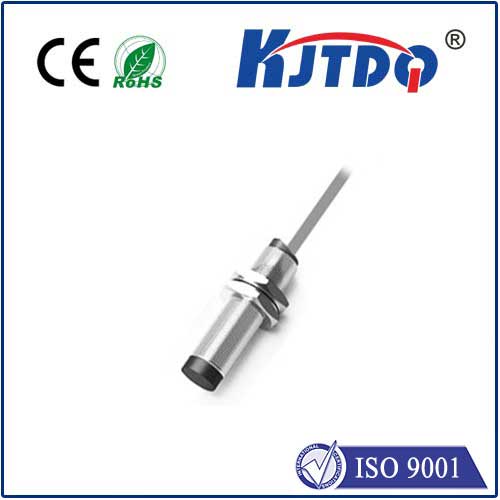
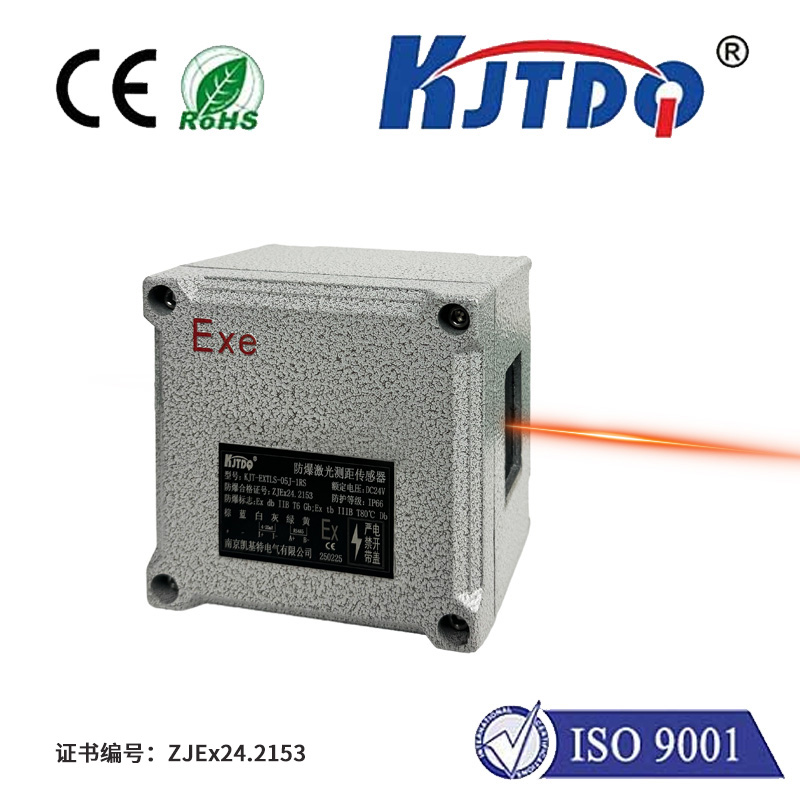
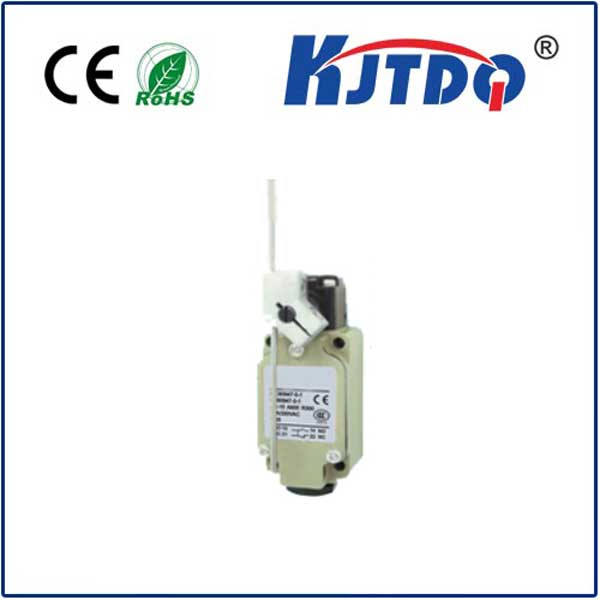
In the realm of industrial automation and machinery control, precision and safety are paramount. Among the myriad components that ensure these standards, the light limit switch stands out as a critical device. This technology, particularly the KJTDQ series, plays an indispensable role in monitoring and controlling the movement of equipment, preventing over-travel, and safeguarding both machinery and personnel.
A light limit switch, at its core, is a sensor that detects the presence or absence of an object using a light beam—typically infrared. When the beam is interrupted by an object reaching a predetermined point, the switch triggers a signal to stop, start, or change the operation of a machine. This simple yet effective mechanism is vital in applications ranging from conveyor belts and packaging machines to robotic arms and elevator systems. The KJTDQ models are engineered for enhanced reliability, offering features such as high noise immunity, robust housing for harsh environments, and consistent response times.
The operational principle is straightforward but ingenious. The switch consists of a transmitter that emits the light beam and a receiver that detects it. In a through-beam configuration, these are separate units facing each other; breaking the beam activates the switch. In a retro-reflective setup, a single unit houses both emitter and receiver, relying on a reflector to bounce the beam back. The KJTDQ series often incorporates advanced optics and circuitry to minimize false triggers from ambient light or dust, ensuring accurate detection even in challenging conditions.
Why is this component so crucial? First, it prevents mechanical damage. In automated production lines, if a moving part exceeds its intended range of motion, it can collide with other components, leading to costly repairs and downtime. The light limit switch acts as a sentinel, halting motion at the exact limit. Second, it enhances safety. In areas where human operators interact with machinery, these switches can create safety zones, stopping equipment if a person enters a hazardous area. The KJTDQ variants are often designed to meet international safety standards, providing an extra layer of protection.
Moreover, the integration of light limit switches like KJTDQ contributes significantly to operational efficiency. By ensuring precise positioning, they help maintain consistent product quality in manufacturing. For instance, in bottling plants, they control the filling level accurately. Their non-contact nature means no physical wear from repeated use, leading to lower maintenance needs and longer service life compared to mechanical limit switches. This reliability translates to reduced operational costs and increased productivity.
Installation and maintenance are relatively simple. Proper alignment of the light beam is essential for optimal performance. Regular cleaning of lenses and reflectors prevents false signals due to dirt accumulation. The KJTDQ series is often designed with alignment indicators and durable enclosures rated for IP67 or higher, making them suitable for wet or dusty industrial environments. When selecting a light limit switch, factors such as sensing distance, response speed, output type (e.g., NPN or PNP), and environmental ratings should be considered to match the specific application needs.
In conclusion, the light limit switch, exemplified by the KJTDQ series, is a foundational element in modern automation. Its ability to provide accurate, non-contact detection ensures both safety and efficiency across diverse industries. As automation continues to evolve, the demand for reliable components like these will only grow, underscoring their importance in building smarter, safer industrial systems. Investing in high-quality switches is not just a technical decision but a strategic move toward sustainable and secure operations.