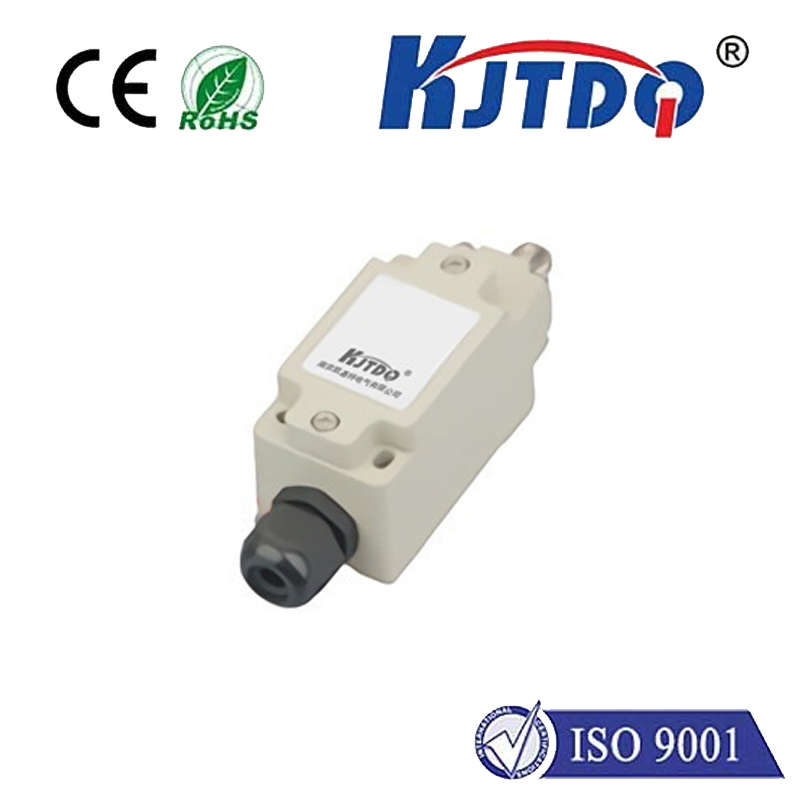
In the world of electrical components, reliability and precision are non-negotiable. Among the various control mechanisms available, the 4 lever switch stands out as a robust and versatile solution for managing complex circuits. This comprehensive guide delves into the mechanics, applications, and critical advantages of this essential hardware, providing a clear understanding of why it remains a cornerstone in industrial and commercial electrical systems.
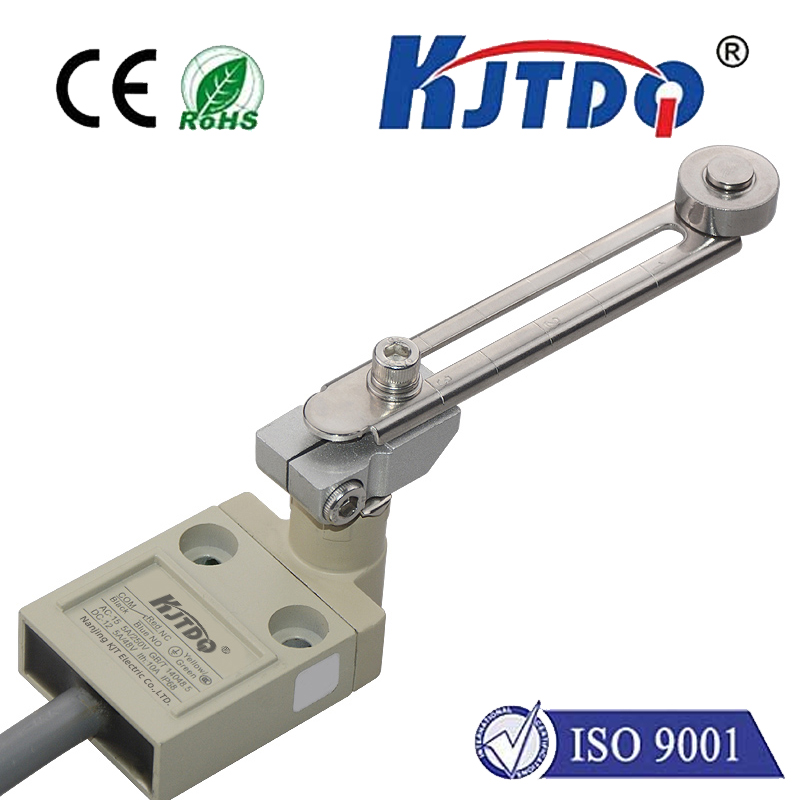
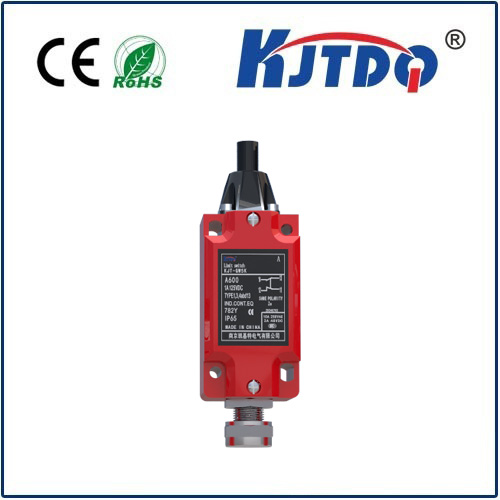
A 4 lever switch, fundamentally, is a multi-pole, multi-throw manual switch. It features four independent levers or toggles, each controlling a separate circuit or a distinct function within a larger system. The design allows for simultaneous or sequential control of multiple electrical paths from a single, compact unit. Internally, each lever actuates its own set of contacts, which can be configured in various ways—such as Single-Pole Single-Throw (SPST) or Single-Pole Double-Throw (SPDT)—to achieve the desired switching logic. This modularity is key to its functionality. The construction typically involves high-grade thermosetting plastics or reinforced composites for the housing, ensuring excellent insulation and durability. The internal contacts are often made from silver alloy or other conductive materials with high corrosion resistance, guaranteeing a stable electrical connection and long operational life even under frequent use.
The applications for a 4 lever switch are remarkably diverse, spanning numerous industries. In industrial control panels, they are indispensable for manually overriding automated processes, selecting operational modes for machinery, or isolating specific sections of a production line for maintenance. Within the telecommunications sector, these switches are used in patch panels and testing equipment to route signals and configure network paths. Audio-visual and broadcast studios rely on them for source selection and signal routing in mixing consoles and control boards. Furthermore, they are found in specialized medical equipment, marine control systems, and even in certain high-end automotive applications where manual, fail-safe control is required. The ability to control four independent circuits with one physical unit saves valuable panel space, reduces wiring complexity, and enhances the operator's ability to manage interconnected systems intuitively.
When selecting a 4 lever switch for a project, several technical specifications demand careful consideration. The current and voltage rating is paramount; the switch must be rated to handle the electrical load of the connected circuits without risk of overheating or arcing. The mechanical life, often rated in tens of thousands of cycles, indicates its durability. Environmental factors are equally crucial. Look for switches with appropriate Ingress Protection (IP) ratings if they will be exposed to dust or moisture. For harsh industrial environments, oil-resistant seals and robust actuator mechanisms are essential. The termination style—whether solder lugs, screw terminals, or quick-connect tabs—should align with the installation method. Finally, the actuation force and tactile feedback of the levers contribute to the user experience, ensuring positive, unmistakable switching actions that prevent accidental operation.
The primary advantage of using a 4 lever switch lies in its combination of centralized control and functional independence. It consolidates control points, leading to cleaner system design and easier troubleshooting compared to using multiple single switches. The physical levers provide immediate, unambiguous visual and tactile feedback on the status of each circuit, which is a critical safety feature in many operational contexts. This direct manual control offers a reliable backup or alternative to digital control systems, ensuring functionality even in the event of a power failure to control electronics. From a maintenance perspective, the modular nature often allows individual lever modules to be serviced or replaced without affecting the entire switch assembly, reducing downtime and repair costs.
Proper installation and routine maintenance are vital for maximizing the performance and lifespan of a 4 lever switch. Installation should always follow the manufacturer's wiring diagram precisely, ensuring correct load connections and adequate strain relief for the wires. The switch should be mounted securely on a stable surface to prevent mechanical stress on the terminals. During operation, periodic inspection is recommended. Check for any signs of physical damage to the levers or housing. Listen for unusual sounds like arcing or cracking during switching, which could indicate worn contacts. For switches in critical applications, measuring the contact resistance periodically can help predict failure before it occurs. Keeping the switch clean from dust and contaminants, using compressed air or a soft brush, will prevent insulation breakdown and ensure smooth mechanical operation.
In conclusion, the 4 lever switch is far more than a simple collection of toggles. It is a sophisticated, reliable, and highly adaptable component that forms the backbone of manual control in countless electrical and electronic systems. Its design elegantly balances simplicity of use with engineering robustness, providing a trusted interface between human operators and complex electrical machinery. For engineers, technicians, and system designers, understanding its capabilities and selection criteria is fundamental to building control systems that are not only functional but also safe, durable, and efficient. As technology evolves, the fundamental need for dependable manual control ensures that the 4 lever switch will continue to be a relevant and vital component in the electrical landscape for the foreseeable future.